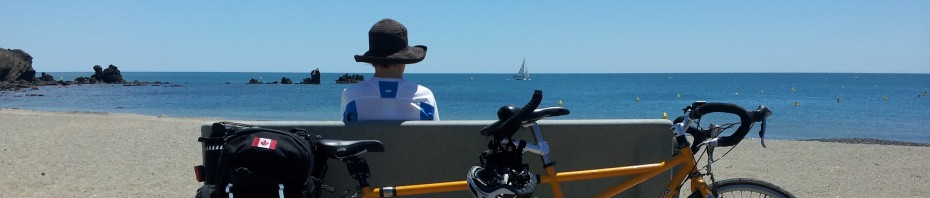
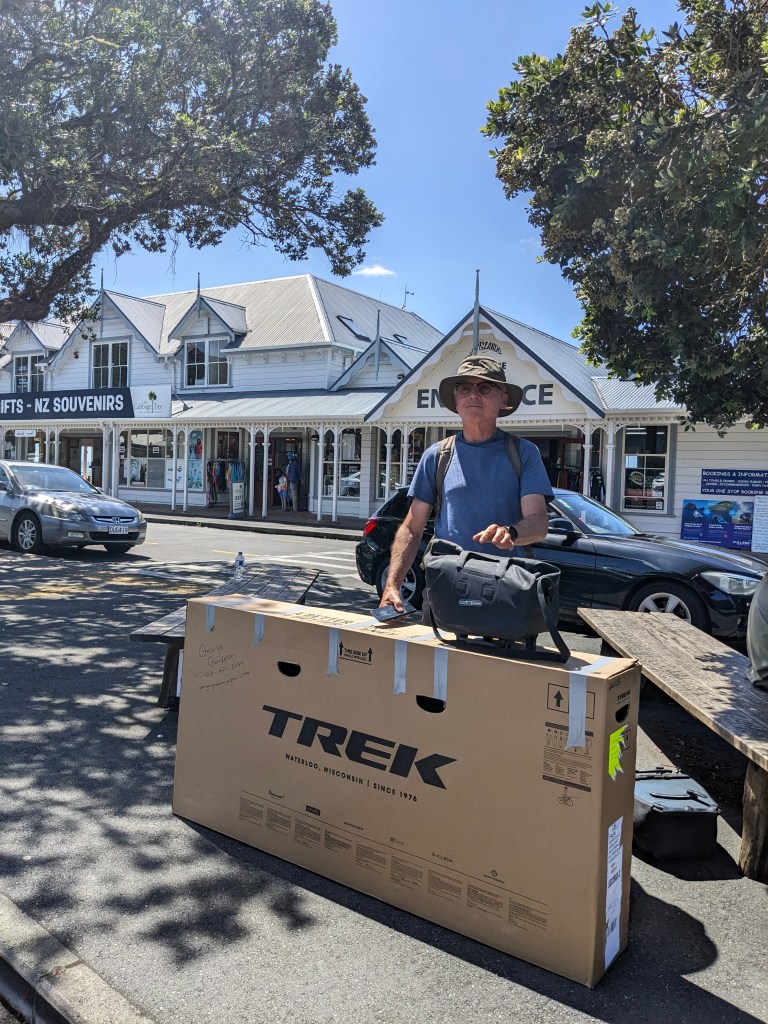
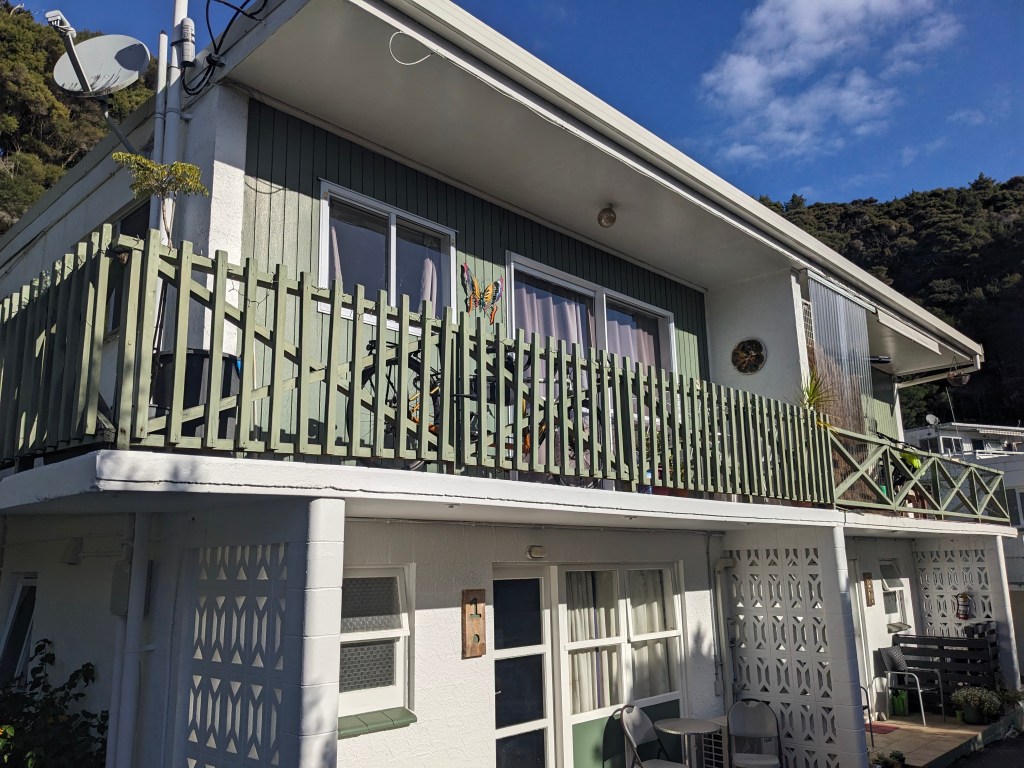
Again we were unable to easily ride to The Bay of Islands so opted for a 4 hr. bus ride from Auckland, which is easier said than done with a tandem bike. The bike was too large to take on the bus unless we broke it down and put it in a regular sized bike box. We had called around for a box a few days prior and weren’t able to secure one but when we went to a nearby shop we got one easily and George tore it down and packed it. The problem with a bike box is that it no longer rolls so getting places is challenging. We ordered a “van” taxi for the morning we were leaving to take us to the bus station but unfortunately it didn’t arrive and they wouldn’t answer their phone. Plan B was an Uber Big Boot as it’s called here and it came promptly but wasn’t so big. Once the bike in the box was in the car there was only room for one passenger so George rode and Tara hoofed it about 1.5 kms to the station. Luckily we had given ourselves lots of time so we and the bike all made it onto the bus. The only way to get all the way to Paihia was on the number one highway so this was another wise decision. Paihia is pretty small and not so many transport options so we decided to just carry the bike in the box the 650 m to our apartment but it was more difficult than anticipated due to a very steep hill at the end. This was after George had already carried our panniers up so we only had the box. Nothing is easy… But, one look around the Bay of Islands makes it all worth it. This is a beautiful bay with 144 islands and calm sheltered waters. George rebuilt our wheels and we disposed of the box, able to roll again.
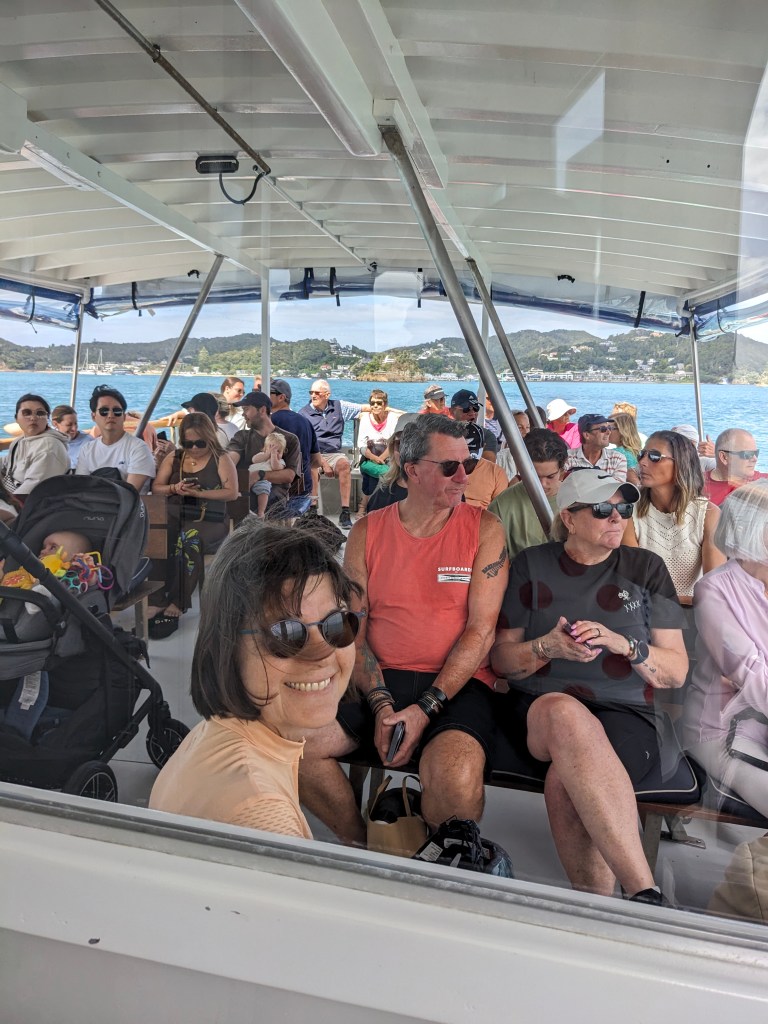
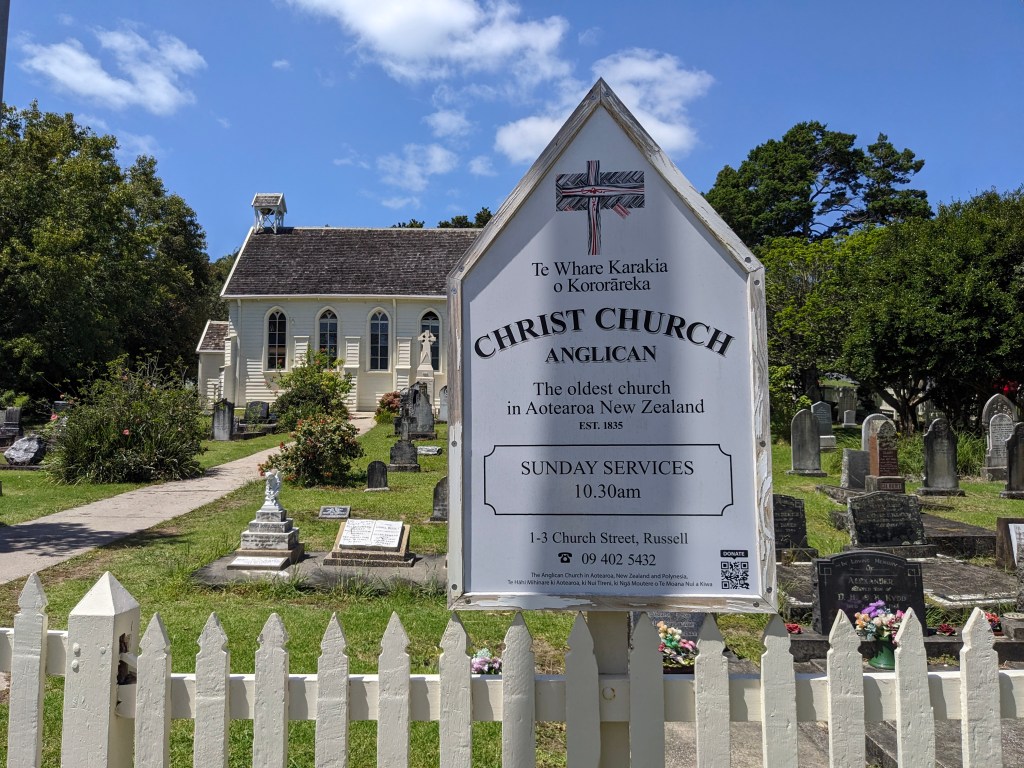
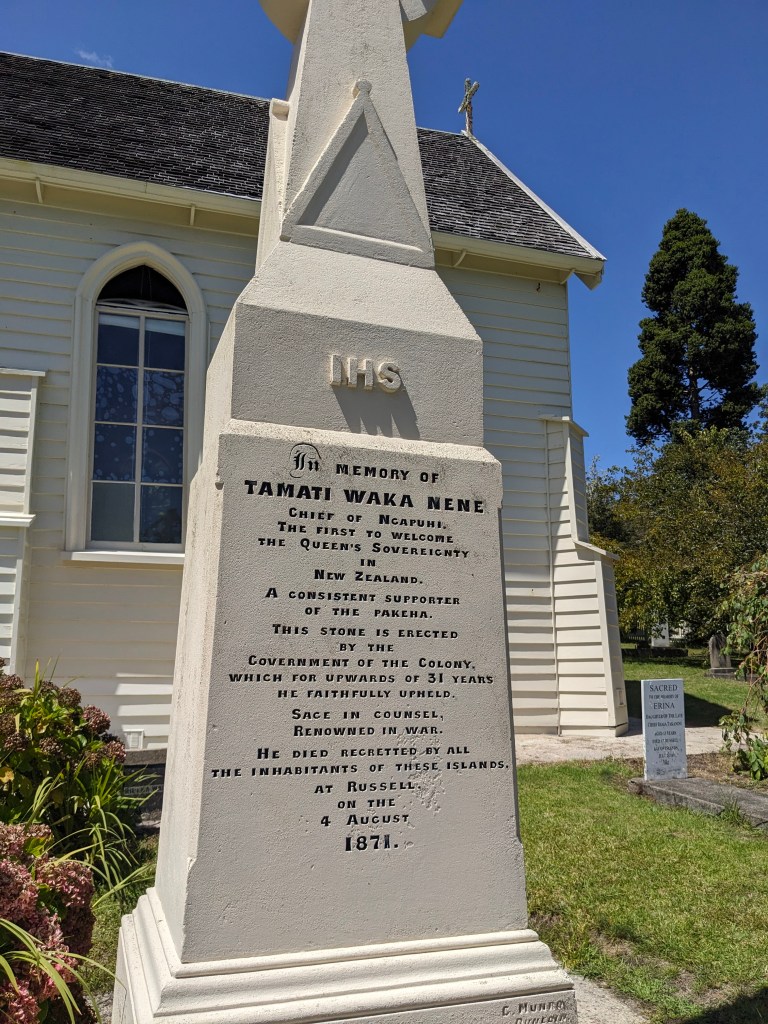
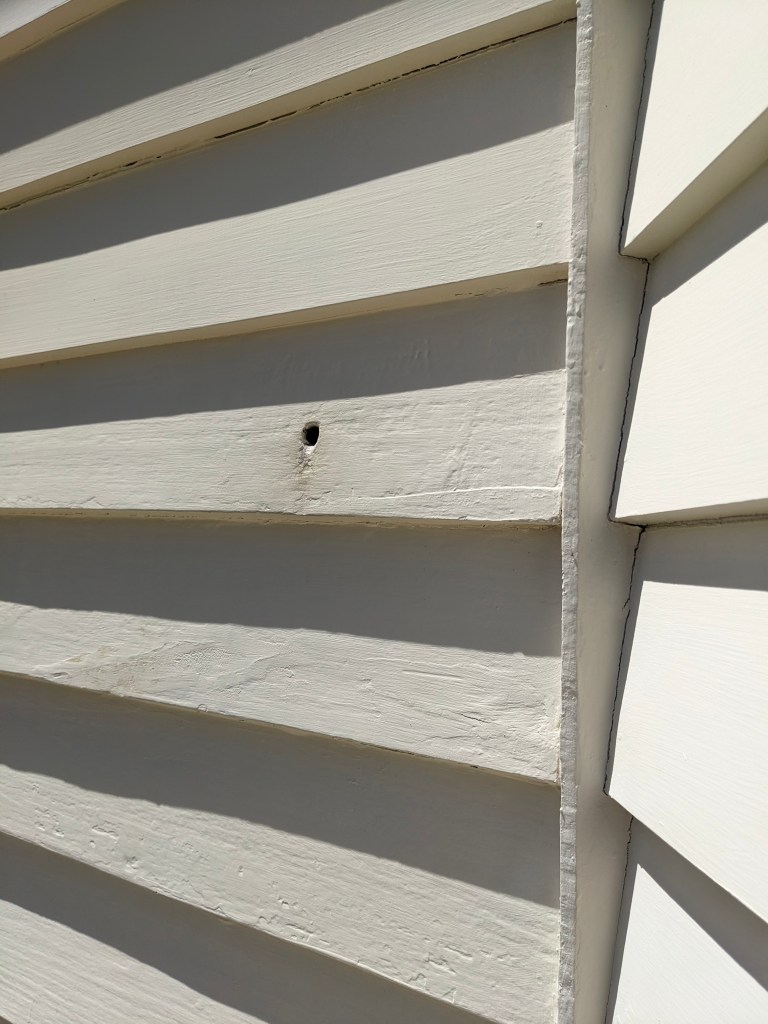
Our first day here we took a short ferry over to Russell or Kororareka (delicious blue penguin) in Maori. Russell is one of the first European settlements (early 1800’s) in New Zealand. Back then it was known as the ‘hell hole of the pacific’ due to the lawlessness and abundance of poorly behaving sailors who landed here and spent their time in bars and brothels. They came on the many ships that brought goods to the area from Europe. Now it is a lovely quiet place with a charming waterfront, beaches and quiet streets. There is an old church, Christ Church, where one of the primary Maori chiefs that participated in various wars on the side of the British, is buried (Waka Nene). There are still bullet holes in the church from displeased Maori. After returning by ferry to Paihia we met with another old friend of George’s, Sue, for an evening of re-acquaintance and a lovely dinner together.
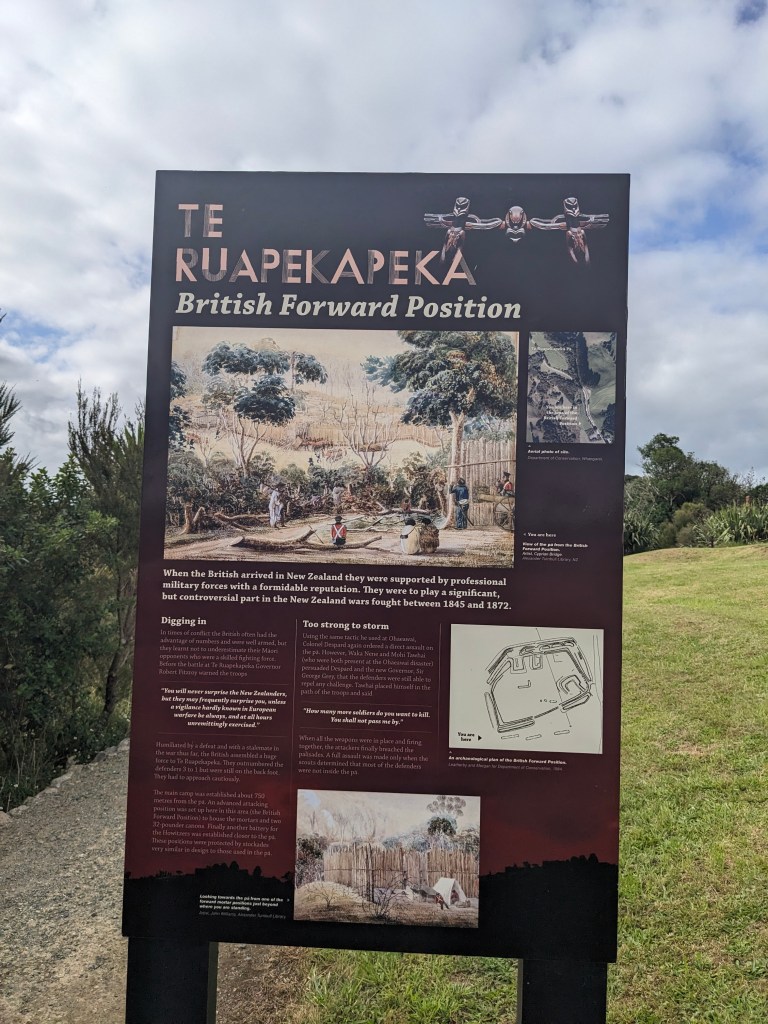
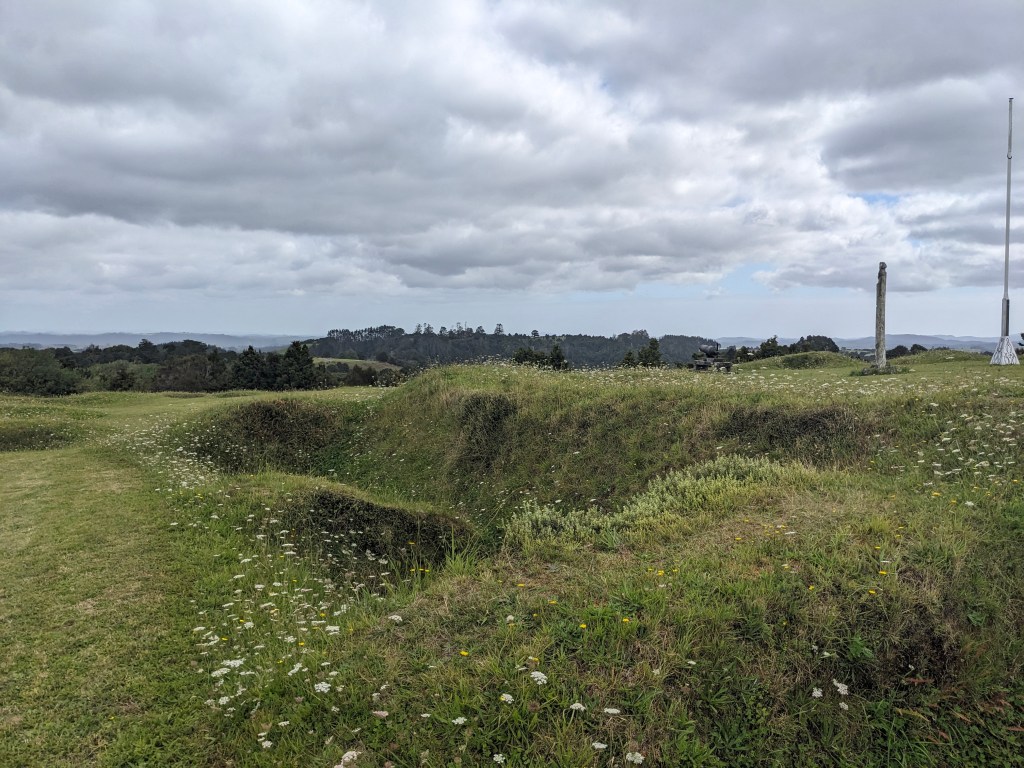
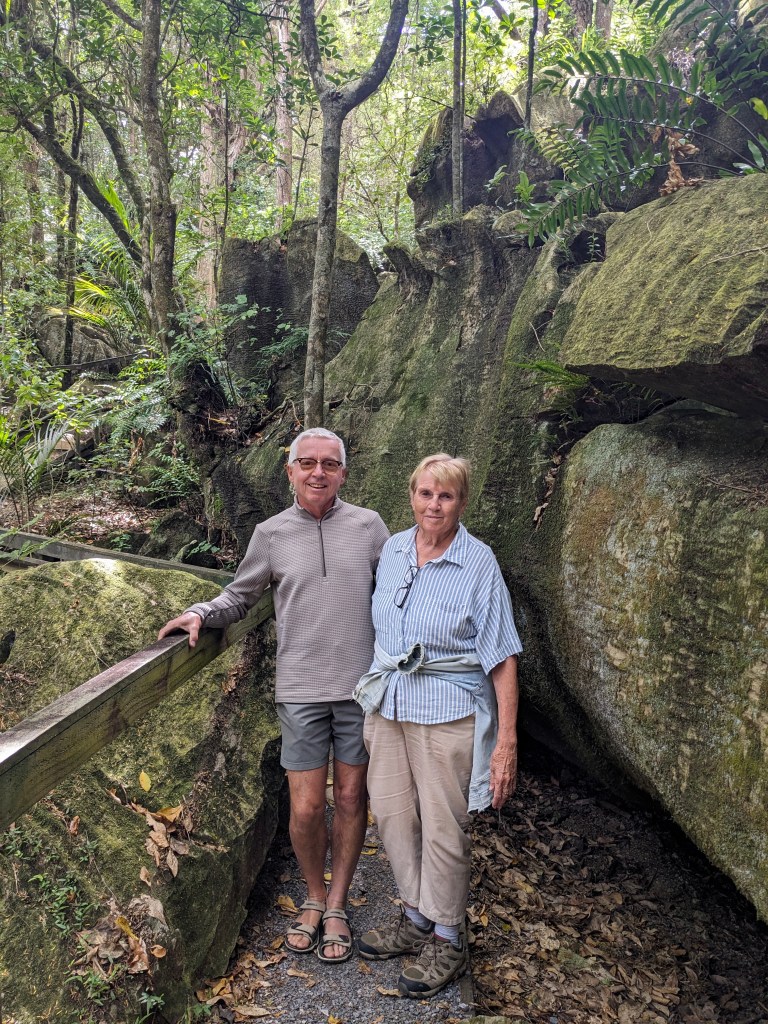
The following day we were shuttled around by car courtesy of Sue which was a good way to see more. We started by visiting the Ruapekapeka battle site, part of the Northern wars here between the Maori and the British in 1845-46. This was one of the battles fought due to the Maori discontent over how the British were not living up to their commitment as laid out in the Waitangi Treaty which had been signed in 1840 (more on that later). The site is on top of a hill and was apparently the first battle fought using trench warfare. When we visited it was empty except for us so very special and awe inspiring. We won’t turn this into a history lesson but look it up if you are interested. Next we drove up the road to the Kawiti Cave to see some glow worms. Glow worms are all over New Zealand and it was something we wanted to do and finally were able to. We were guided through the cave by a lovely Maori woman who gave us some history of the cave and a good explanation about the glow worm life cycle. The cave was easy to navigate, all on boardwalks, and we were able to see many glow worms. They are fascinating creatures that light up their tails to attract their prey and trap them via sticky lines that they send down from their cocoon.
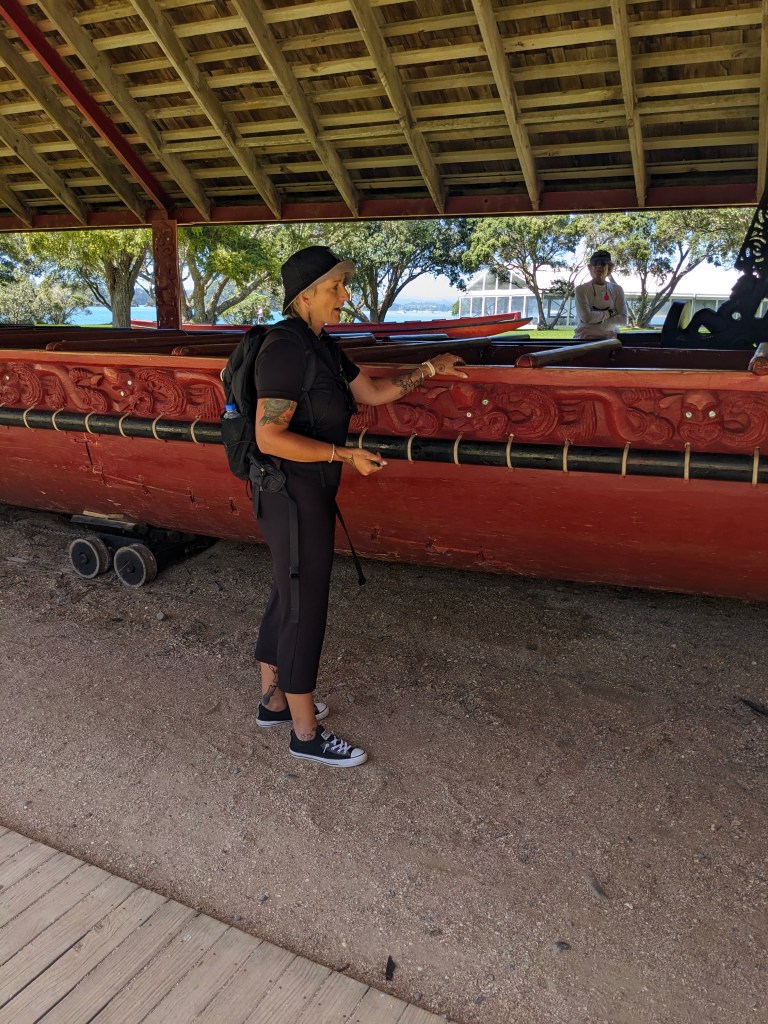
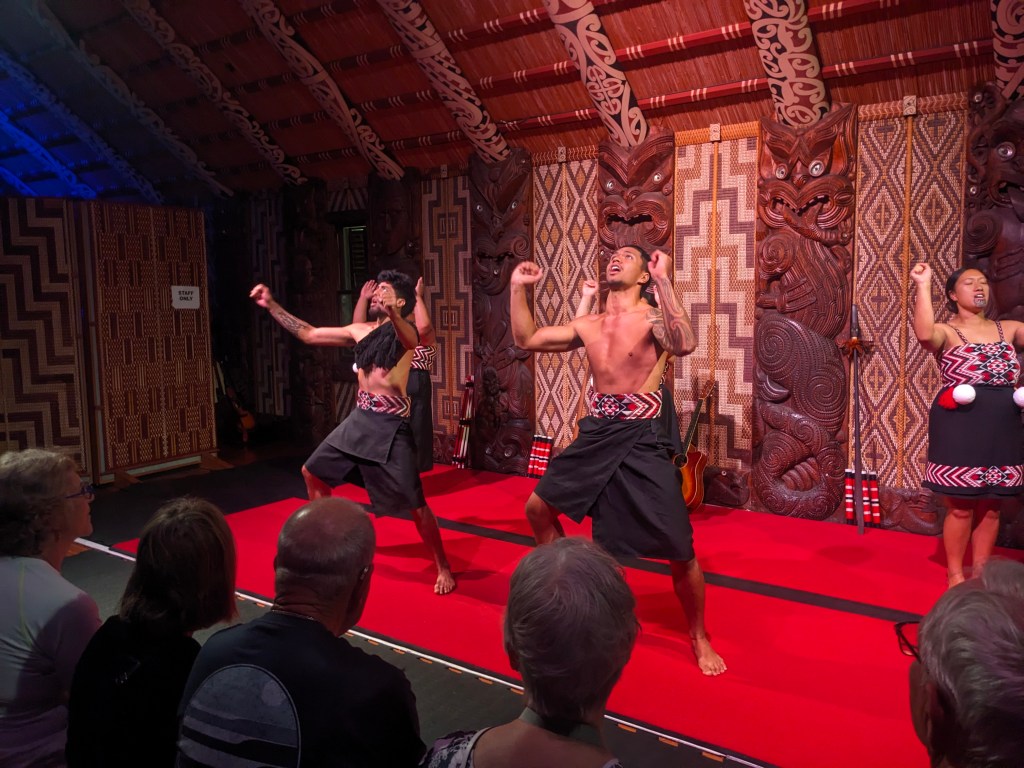
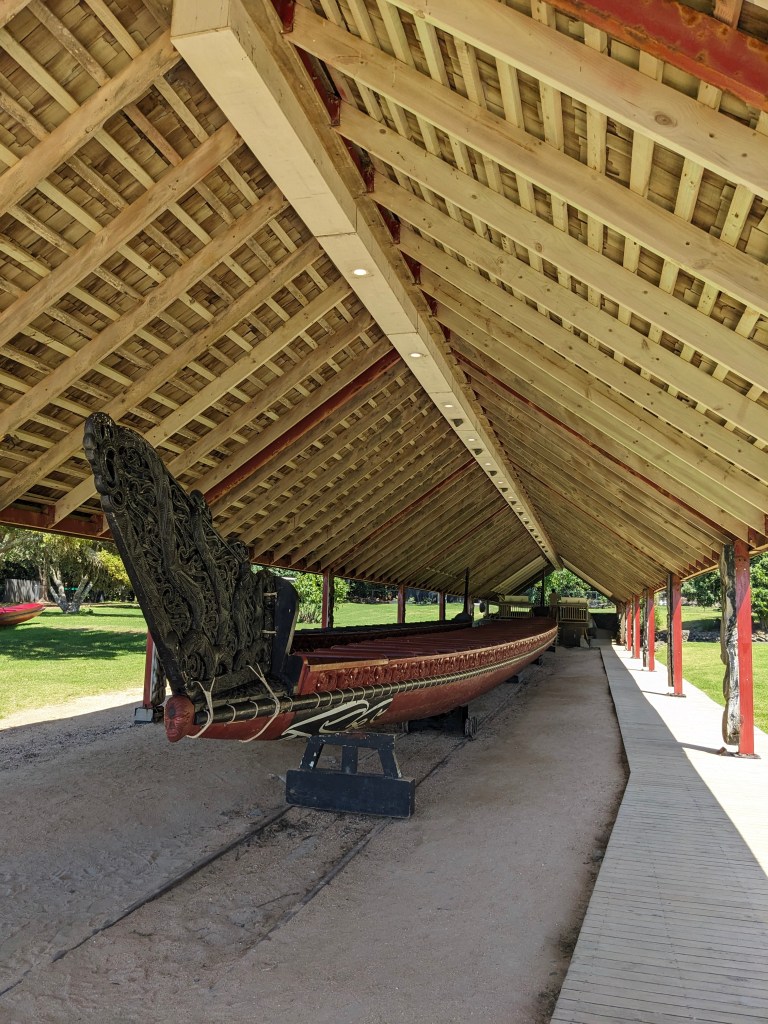
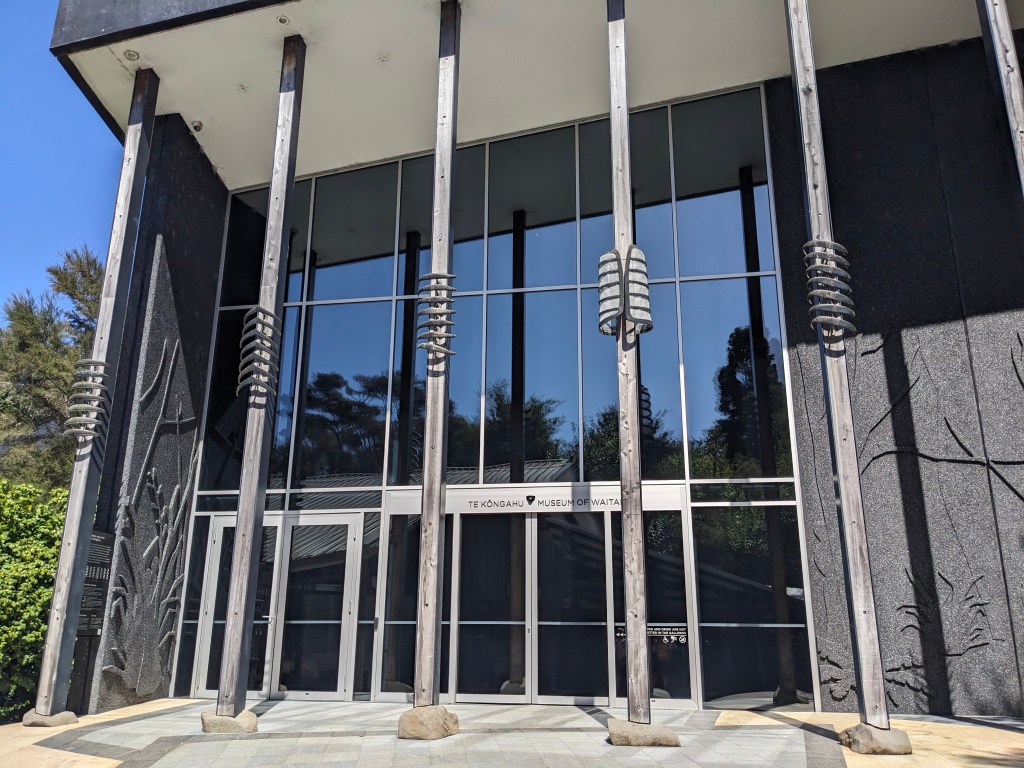
The next day was spent touring the Waitangi Treaty site which is beside Paihia where we are staying. This was the treaty signed between the British and some of the Maori chiefs in February of 1840, during Queen Victoria’s reign, that outlined the rules that both sides would follow in order to allow for the British to settle in New Zealand and live amicably with the Maori people. It didn’t quite work out so well for the Maori over the years and there were many struggles, similar to other colonized countries, but it appears New Zealand is doing a good job now of taking care of everyone. The Maori language is prominent here on all signs and most places we visit have Maori names. We see many Maori people involved in tourism and other forms of business. The treaty site is quite extensive and well presented. It took us all day plus another half day to get through it and even then we didn’t see everything. There’s much more to it, again look it up if you are interested.
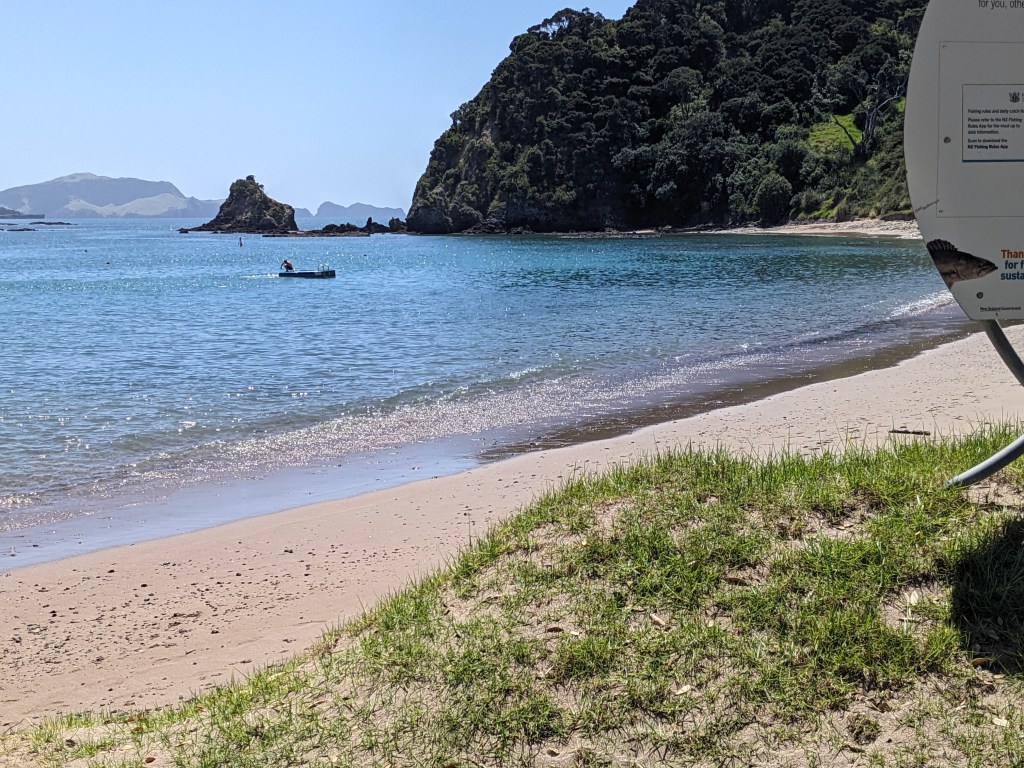
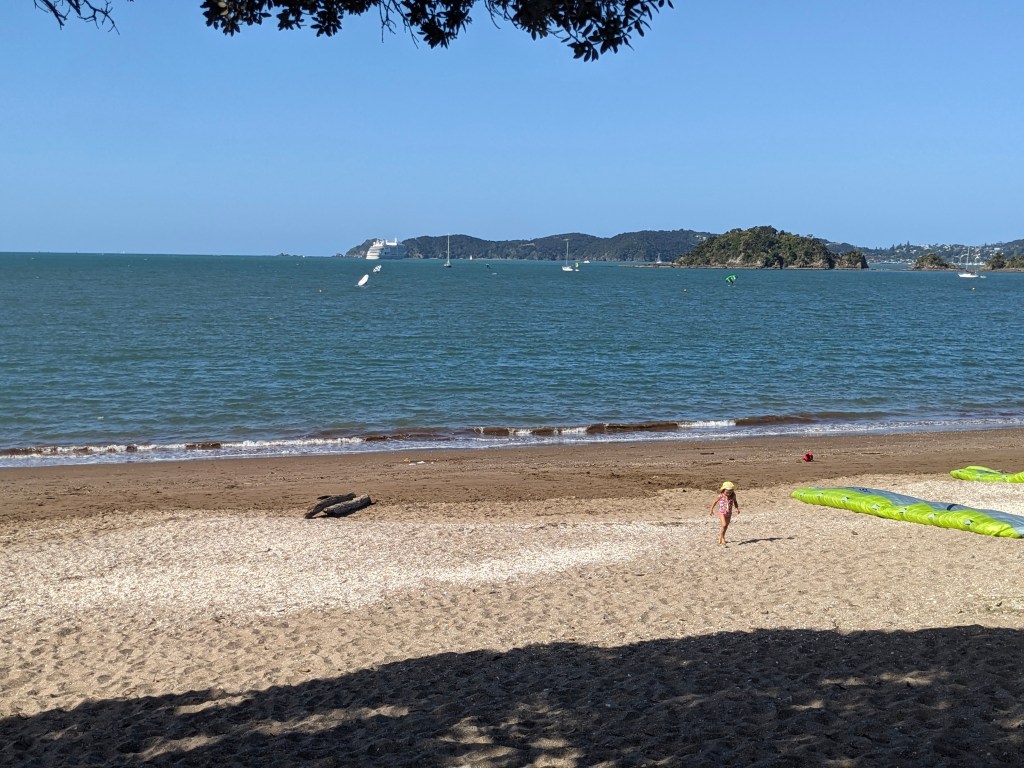
The weather in Paihia was quite pleasant and we did manage to finally have some beach time and a swim in the ocean. The water is not as warm as Hawaii but still quite tolerable. This is a subtropical zone, not tropical, so the temperature is good but not sweltering. The bay here is full of private boats as well as commercial ones for tourism to visit all the islands as well as the usual parasailing, sailing, jet boats, etc. A busy place and many tourists in general but we are getting to the end of the tourist season so not too bad and we enjoyed our stay here.


 geeteetravels
Quite the trip to get there, but it paid off with some amazing history and beautiful scenery. Also great that you were able to meet up with your friends again.
We had our first robotic waiter in Berlin a couple years ago, it was very odd but amazingly accurate! Those Germans got it figured out I guess. Your pavlova looks delicious, worth the journey.