Tag Archives: bikepacking

Rotorua

12 Feb

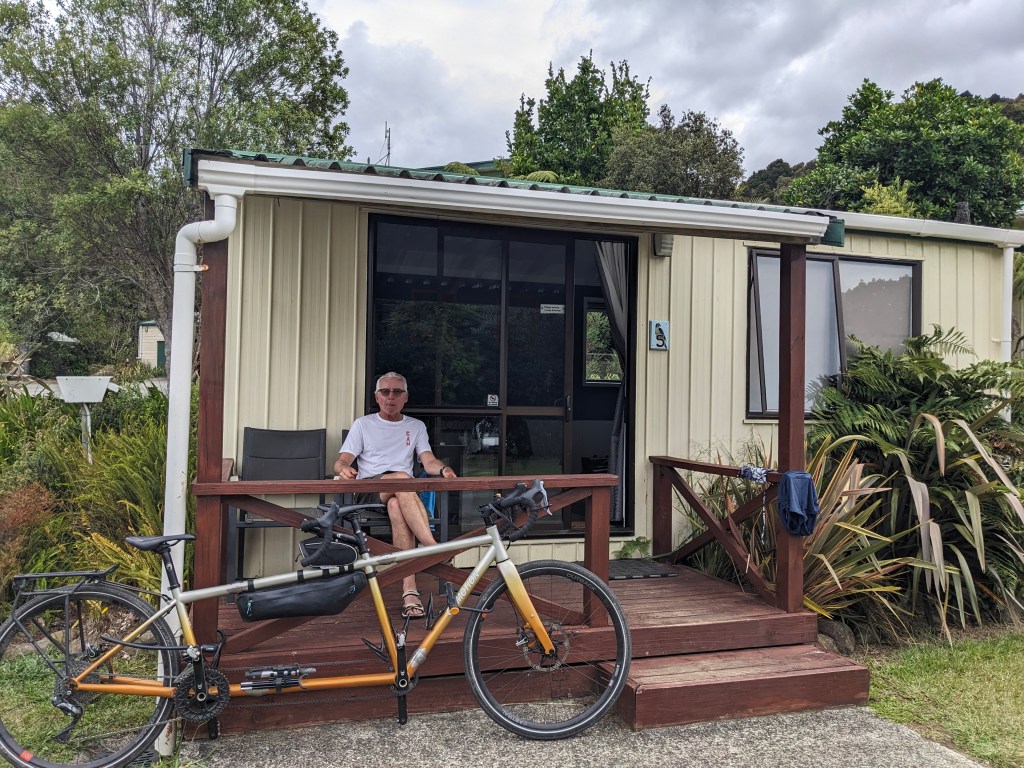
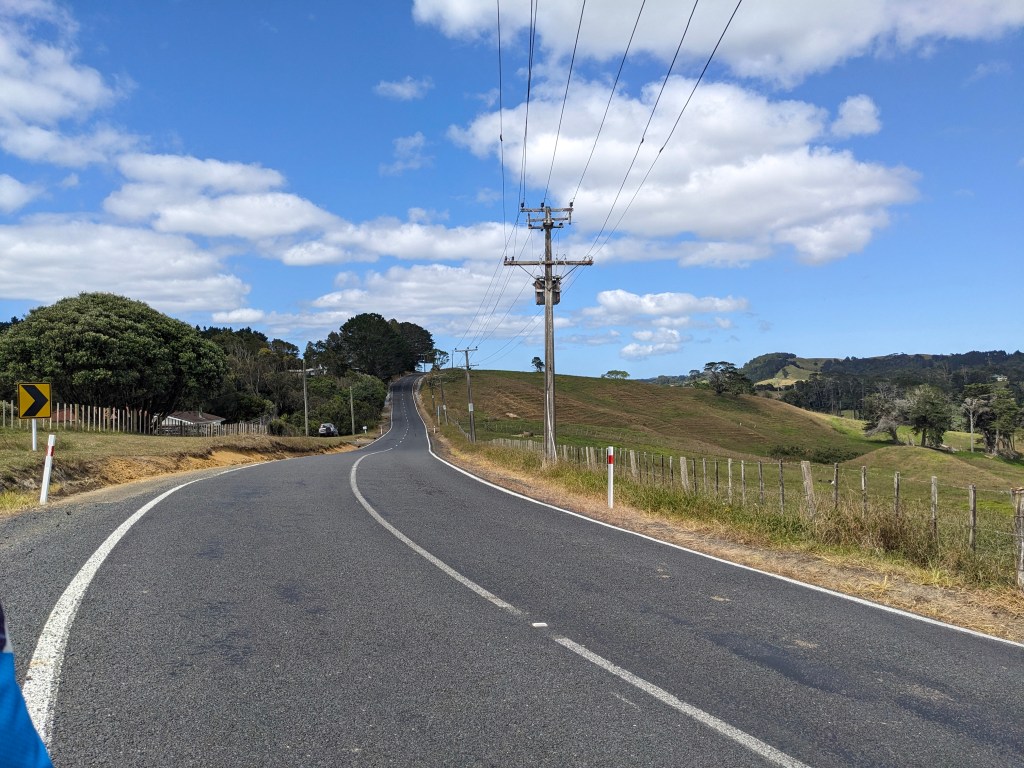
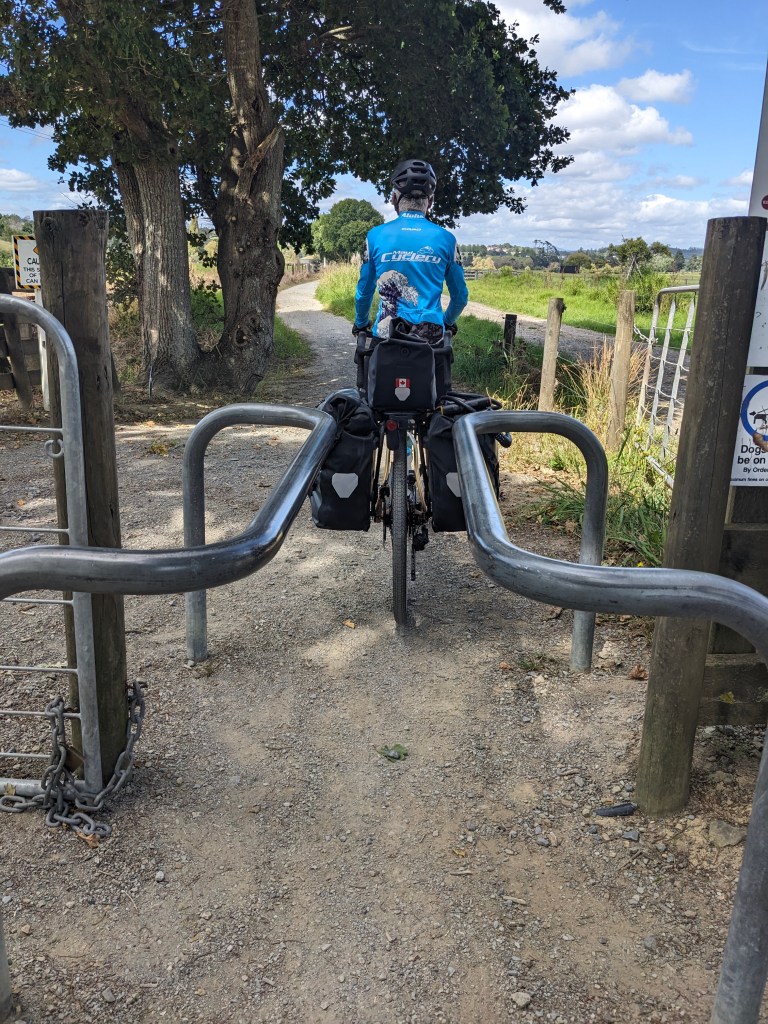
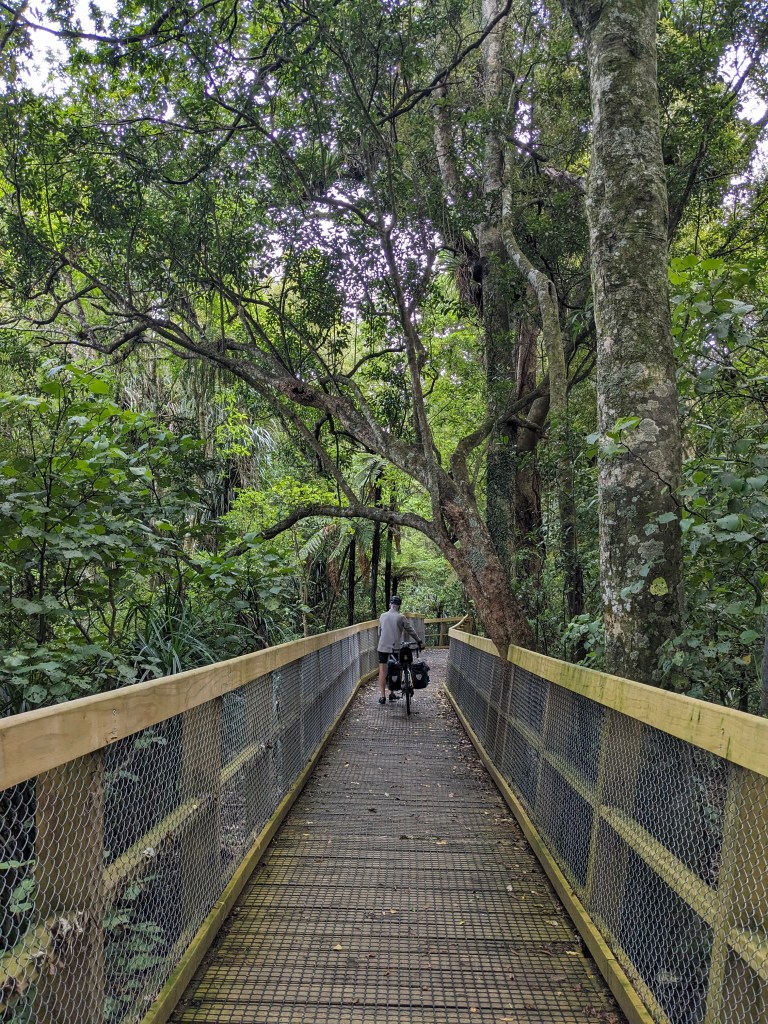
Our ride to Rotorua was a longish one at 80 kms with some climbing and a bush bike path, to stay off the highway as much as possible. We started with a beautiful and quick 16 km down the beach road out of Mt. Maunganui to Papamoa which was flat and quiet. At the end of that we joined onto a separate bike path along the highway to Paengaroa followed by a small alternate road where we only encountered a few other vehicles. Despite a few hard climbs it was a beautiful ride through here. Eventually the road ended and we entered a reserve area with a bike trail. It wasn’t exactly ideal for our bike as it was narrow, gravel and jungley but we got through it anyway without walking. Eventually we did have to get on the highway for the last 20 kms and mostly the shoulders were decent and traffic was not too bad. We were expecting to get rained on but it turned out just fine weather wise. We had been warned that the sulphur smell in Rotorua was overpowering but fortunately we were a little way from the most active geothermal sites so not too bothered by it. We stayed in an older motel along a long road with many similar motels.

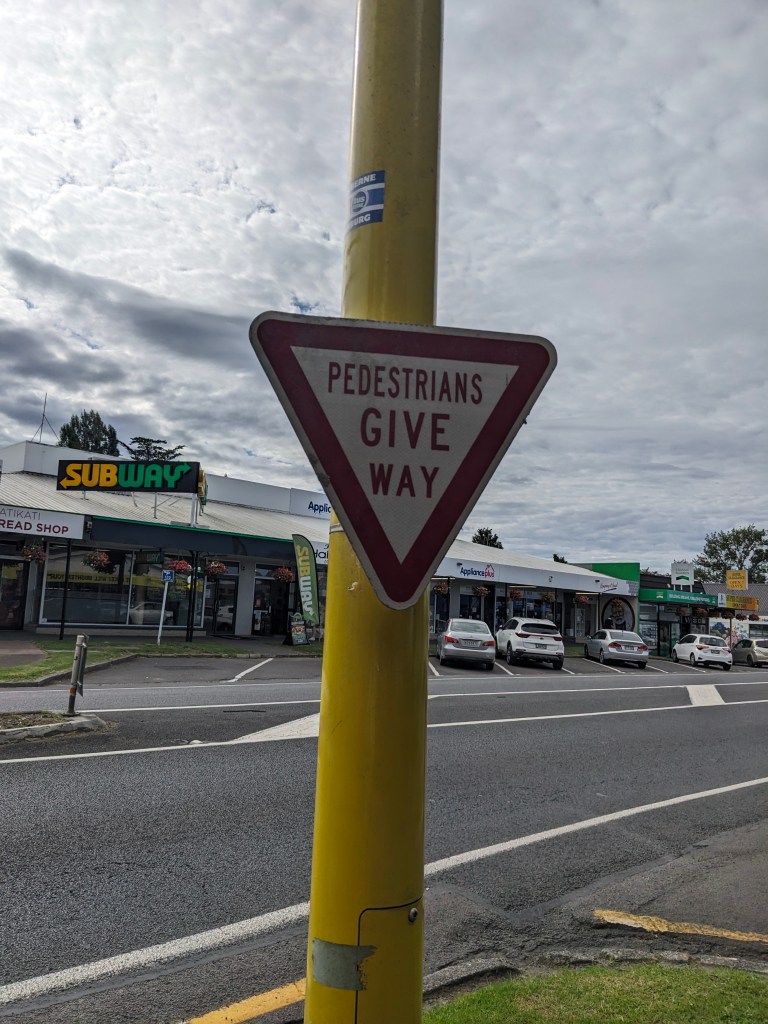
Just an aside here, something we’ve noticed in New Zealand is that pedestrians aren’t given priority over cars. On this long four lane road that we were staying on in Rotorua, about 2 kms or so, there are no crosswalks, you must jay walk. When you get to a crossing you do not have any priority, you go when it’s clear, and you must look in all directions including the cars turning from both directions. There are crossings that are just “pseudo cross walks” that say Pedestrians Give Way. In the very commercial areas of the cities there are crosswalks at the major intersections but only there. I think it’s much worse even than southern Europe, the drivers rarely stop for you even if you are already in the crossing. You have to stay alert, no looking at your phone or a map.

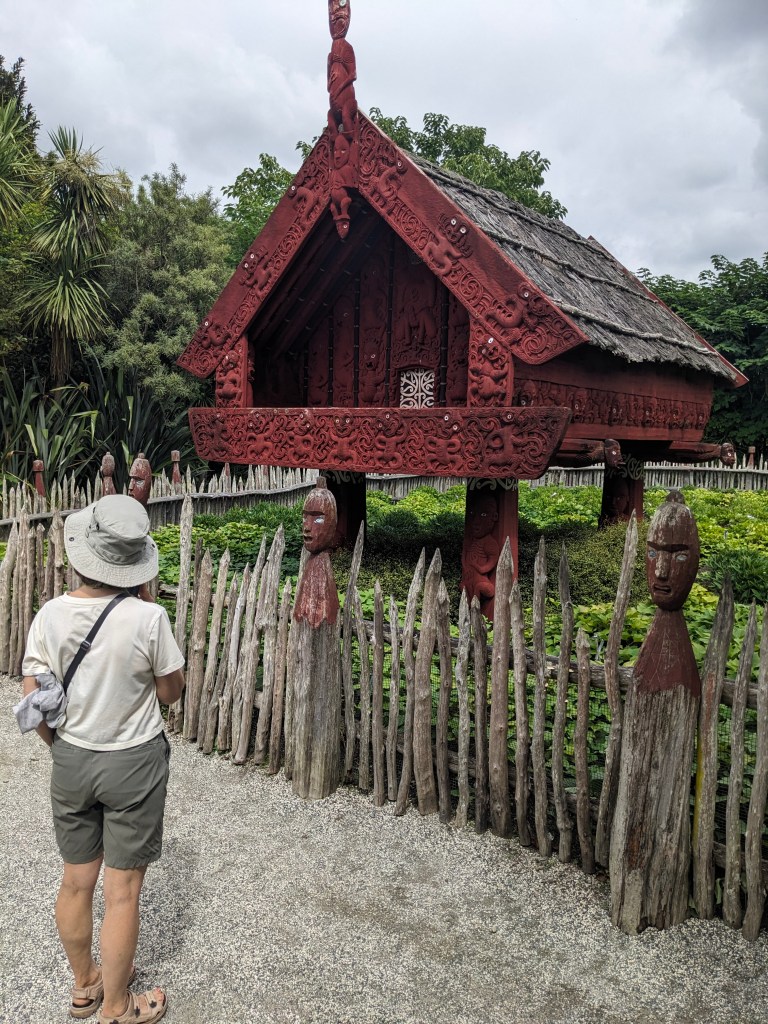
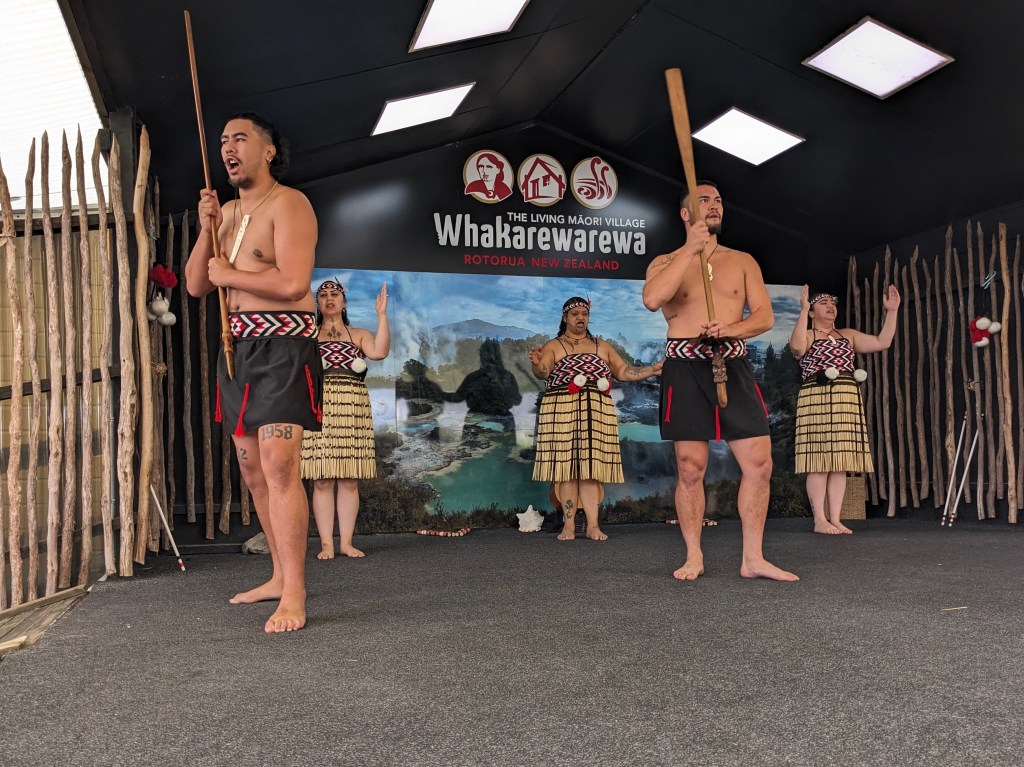
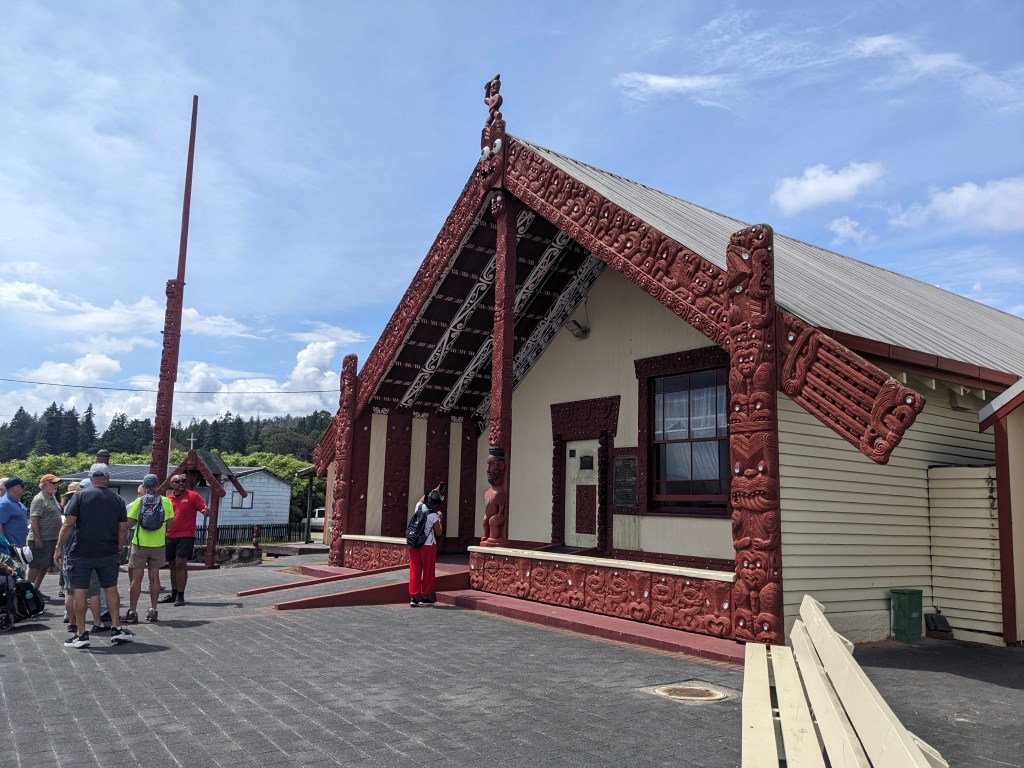
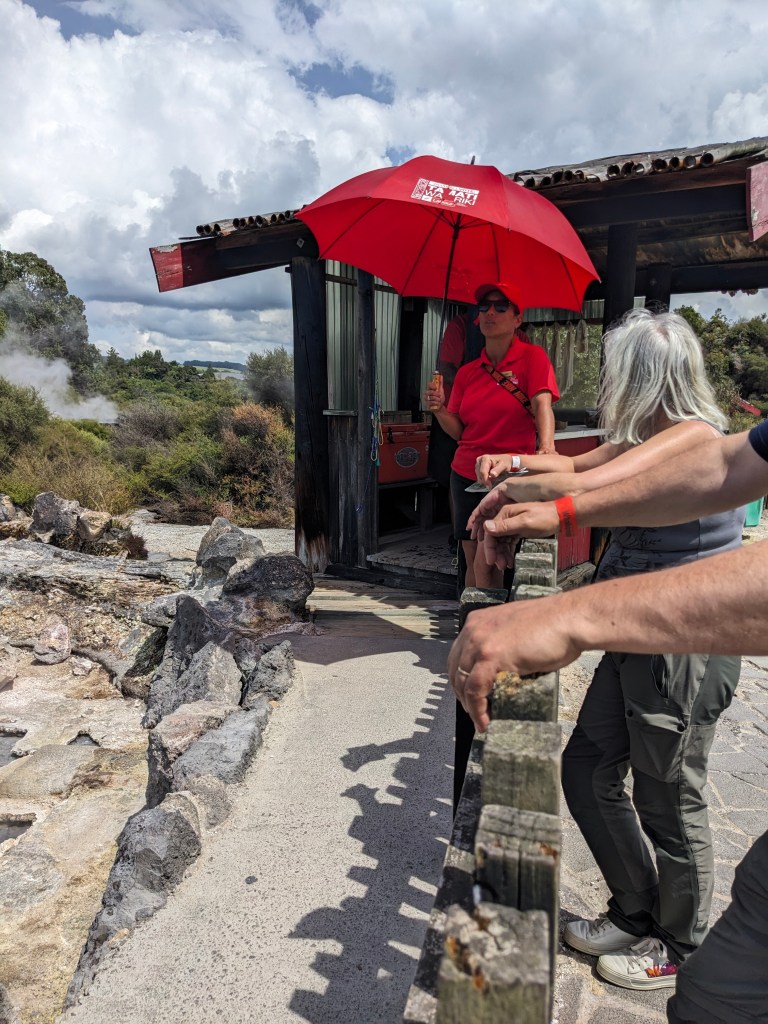
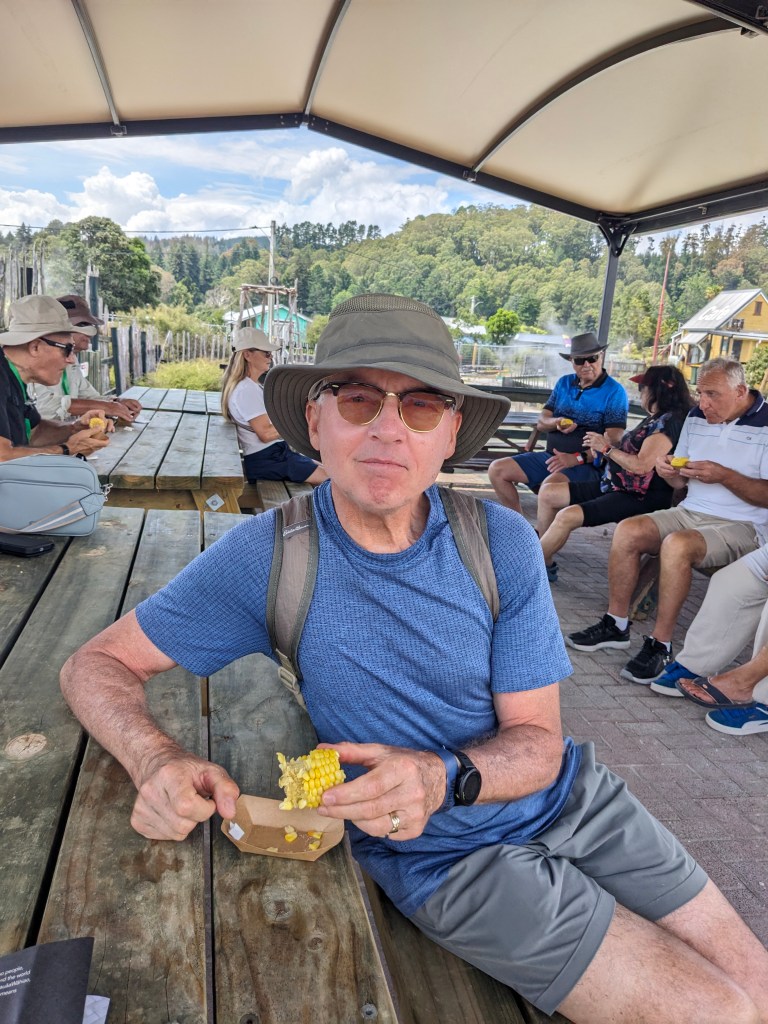
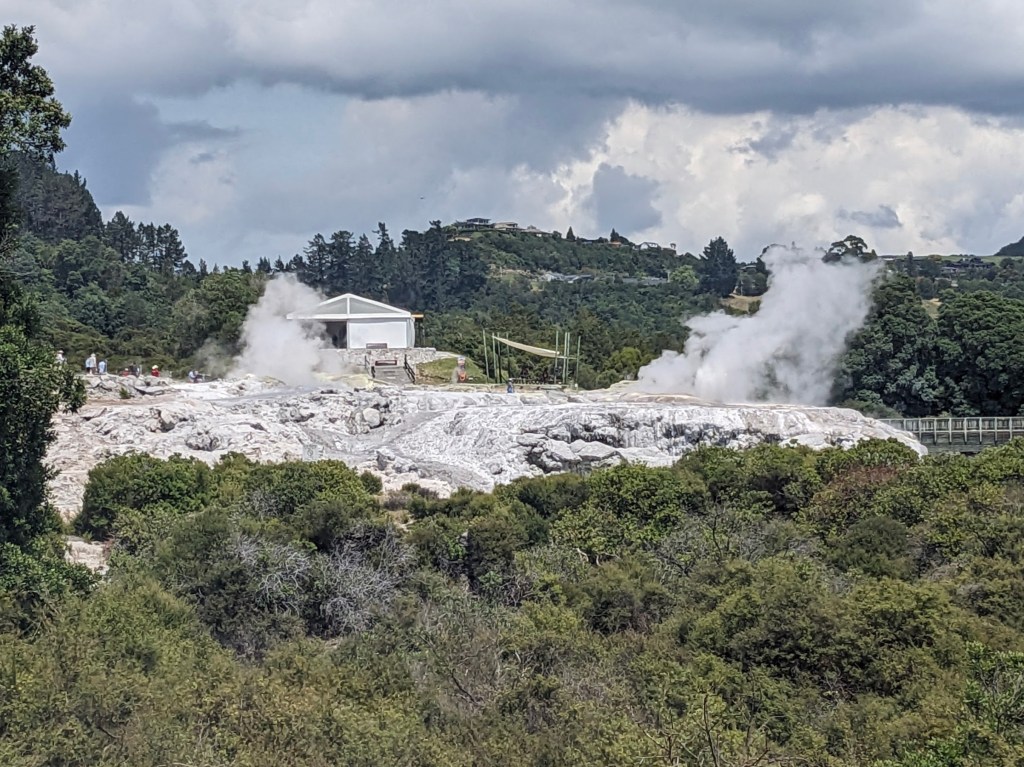
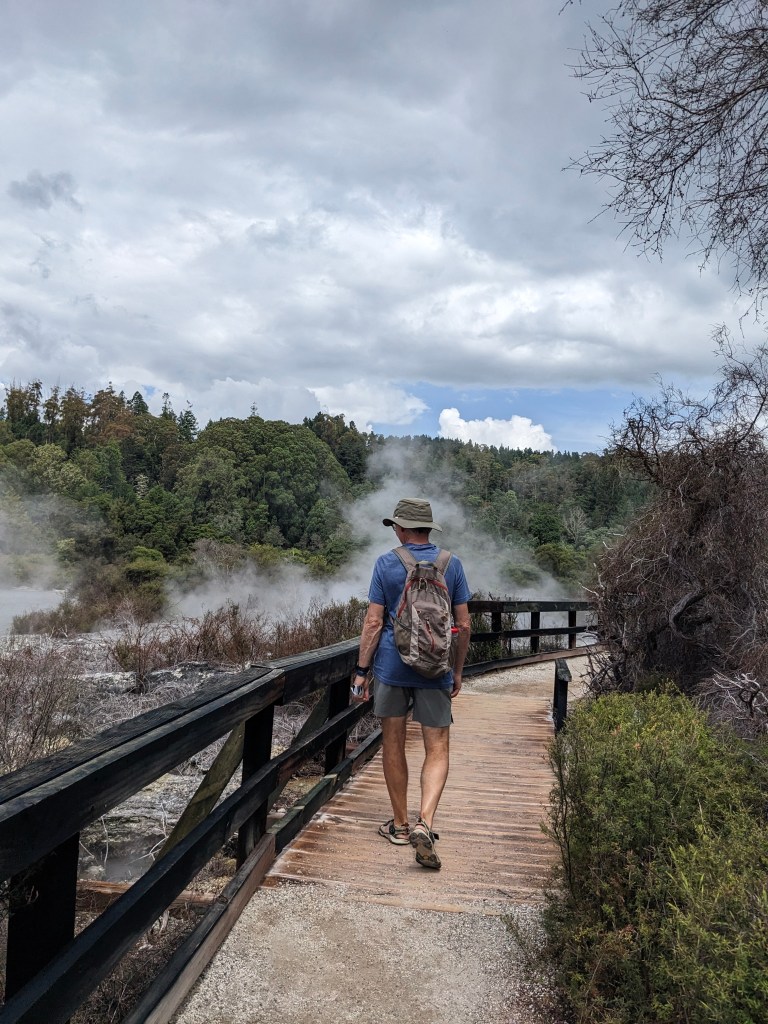
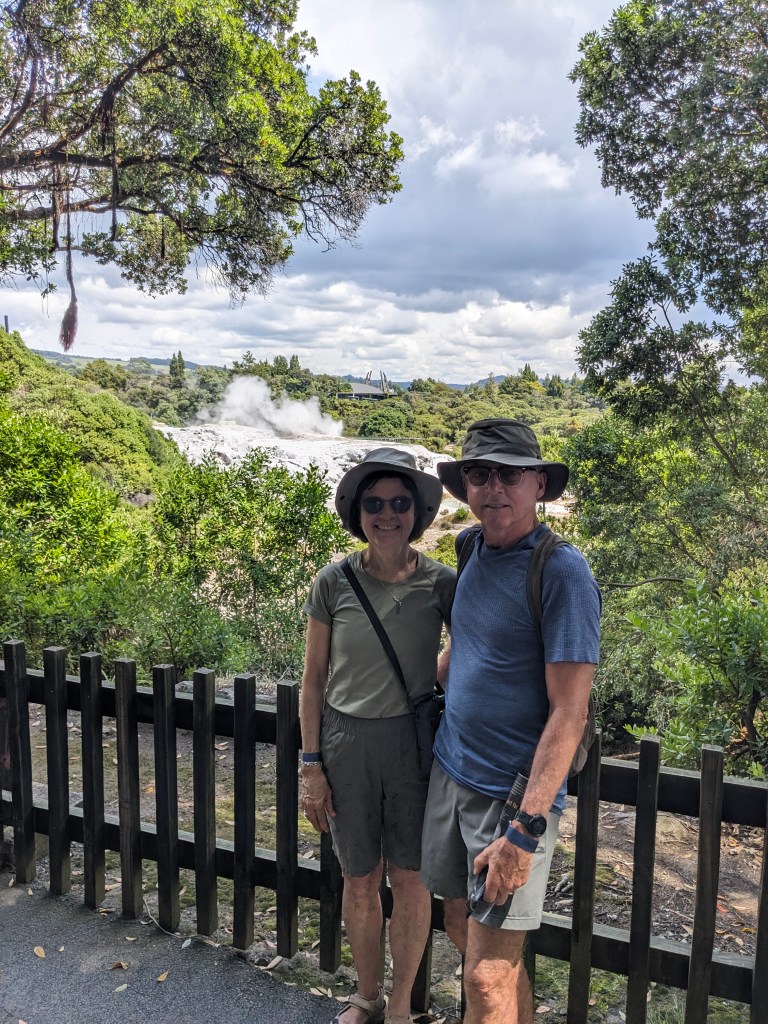
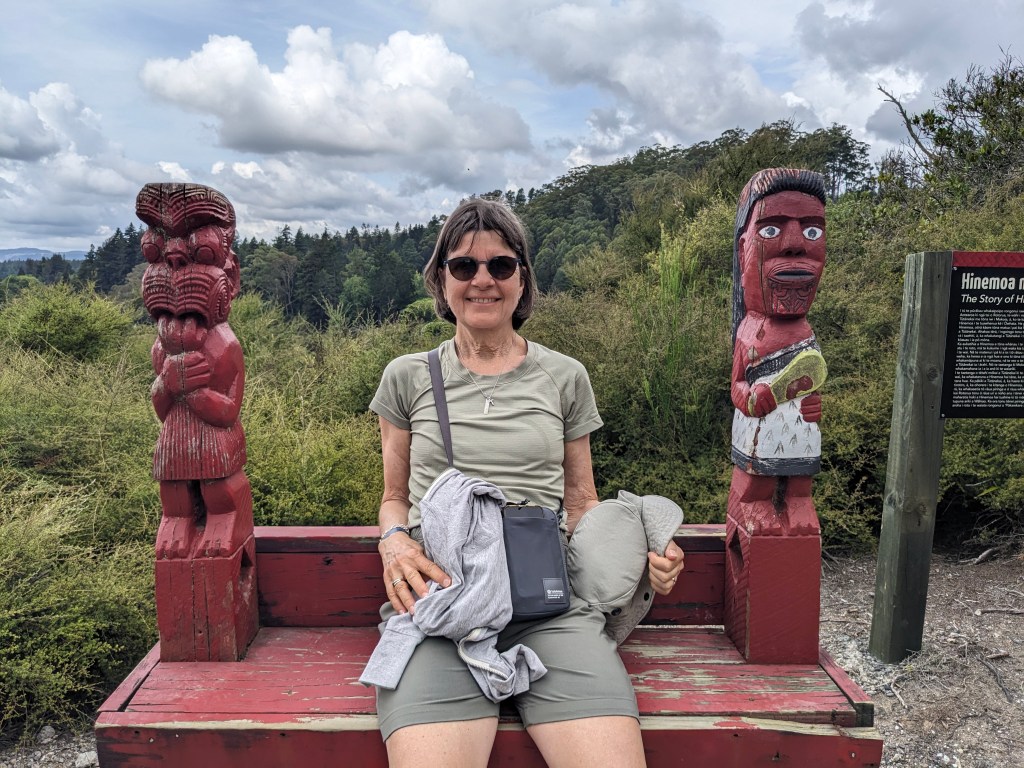
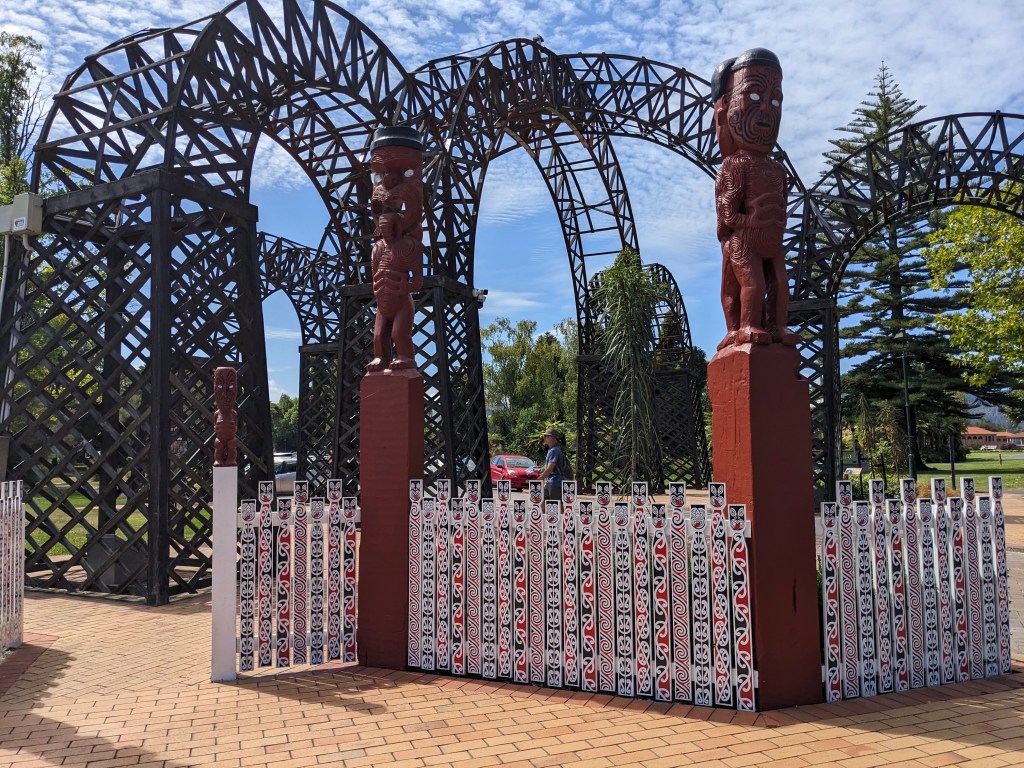
Rotorua is a big tourist destination due to the geothermal attractions as well as the Maori cultural sites. During our stay it wasn’t overly busy though, no trouble getting accommodations or seeing the sites. On our first day we visited Whakarewarewa village, just a short walk from our lodgings. This is an actual Maori village with people residing there still and it is on top of a very active geothermal site. We attended a cultural performance and had a tour of the village, learning about life on a constantly changing and dynamic earth where sometimes vents blow through homes but also how they use the heat and energy to cook and clean themselves. It was a fascinating and steamy environment to walk around. The water is very hot, often at a boiling temperature, so you don’t go swimming here. Where they bathe is cooler, only 45-50 degrees C, still pretty hot.

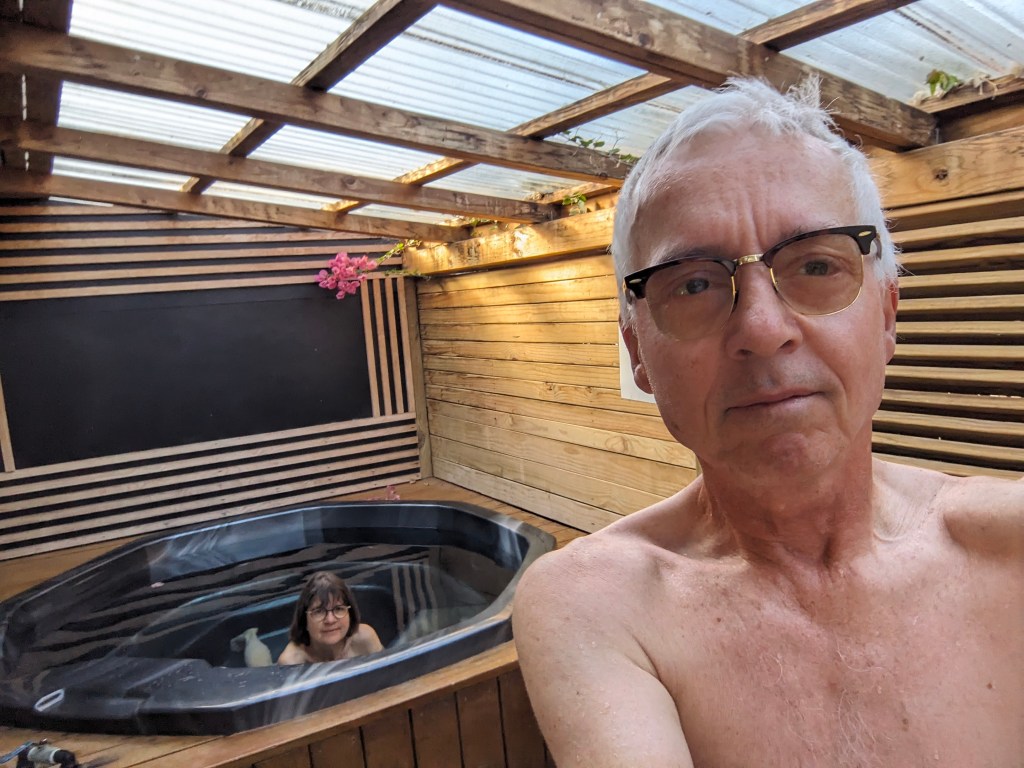
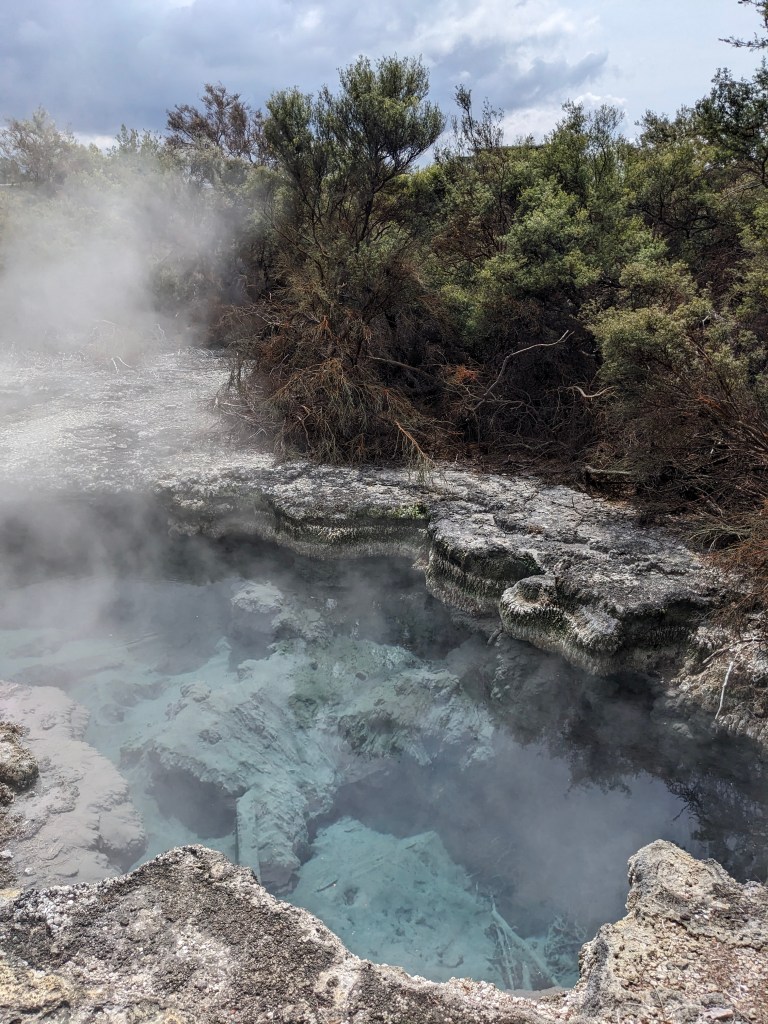
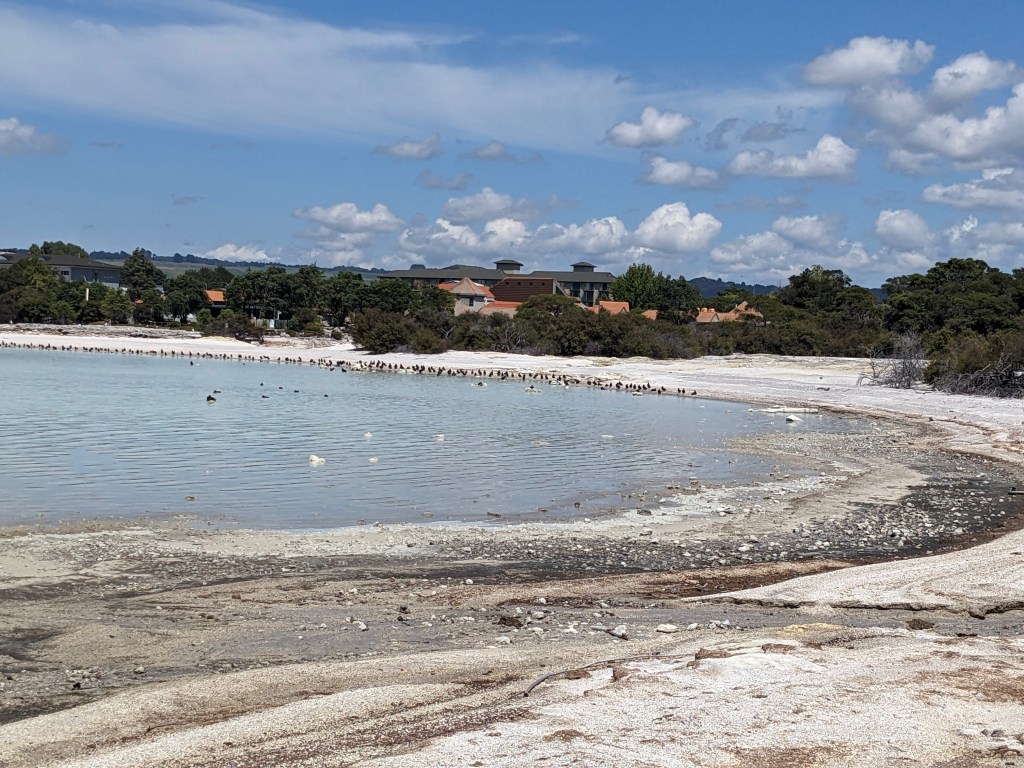
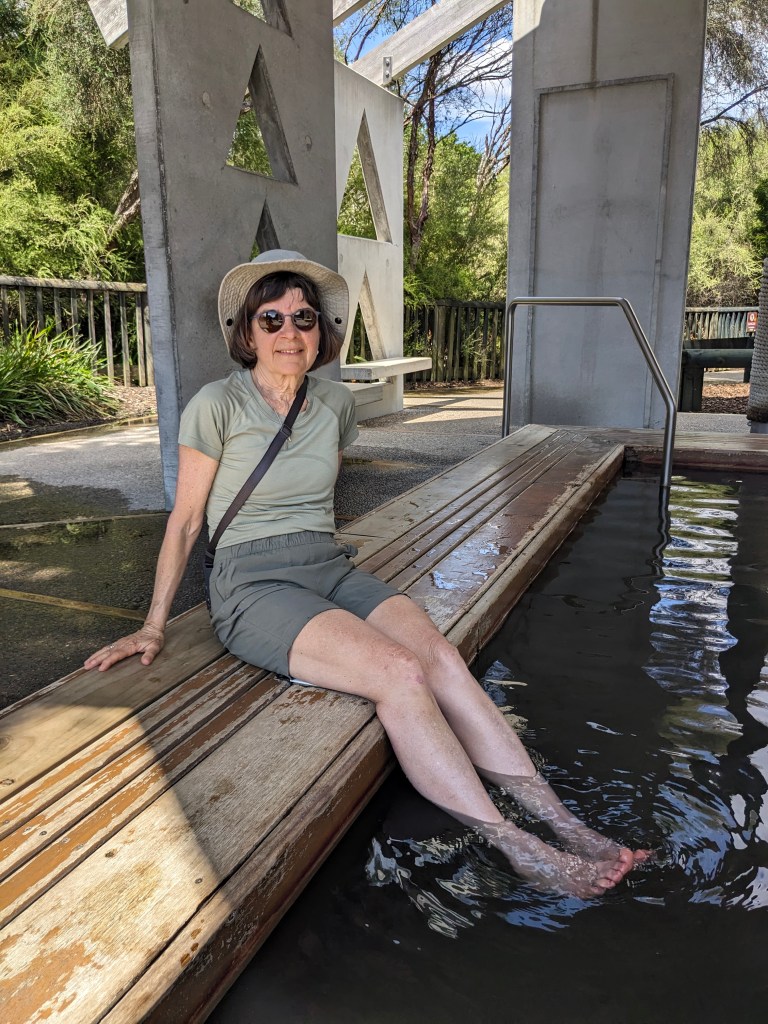
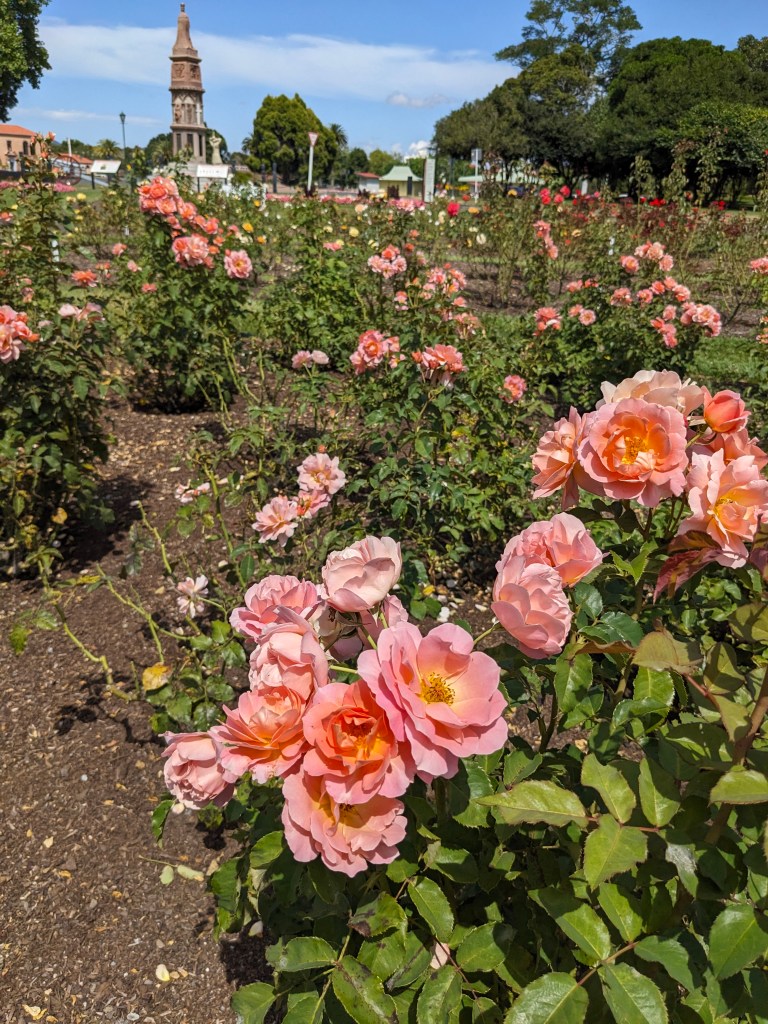
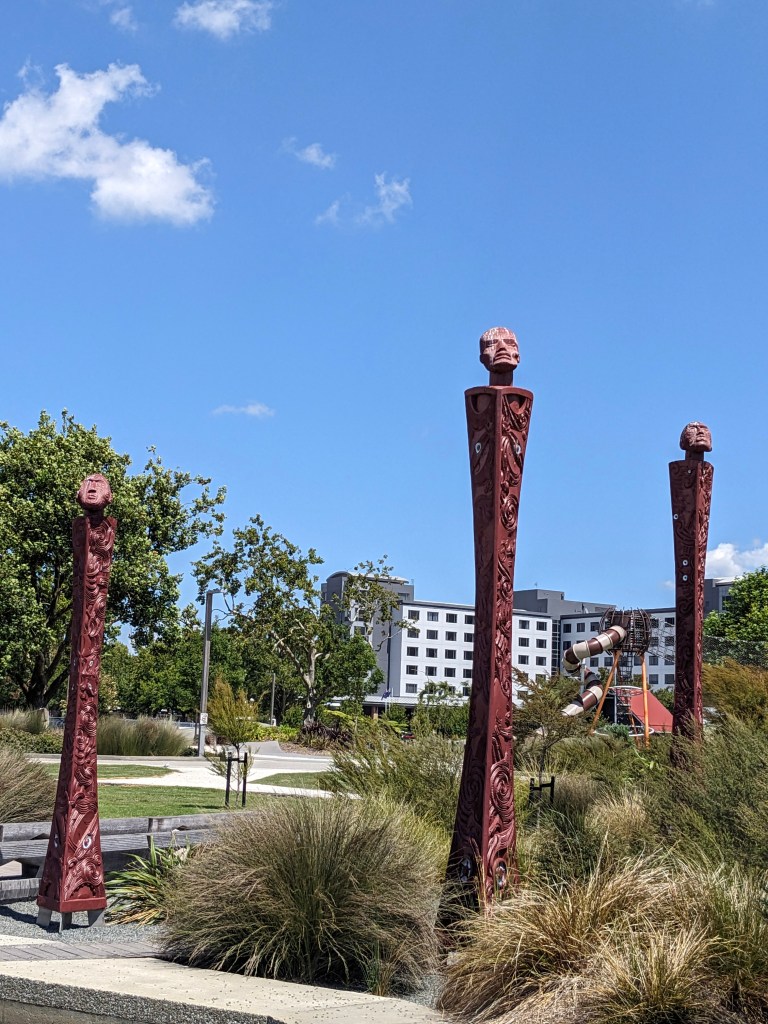
The following day we went into the centre of Rotorua by the lake, which is actually a caldera with an island in the middle. There are many active geothermal sites around the shore of the lake and close to where people are living. There’s another Maori village there as well, Ohinemutu, although not set up for tourists like Whakarewarewa. We walked along the shore of the lake through more geothermal sites where the sulphur smell is quite strong, although you get used to it. There are clear alkaline and murky acidic pools as well as boiling mud pools. There was one park with small pools where you could safely wade or soak your feet although it was quite warm, definitely warmer than our hot tub at home.

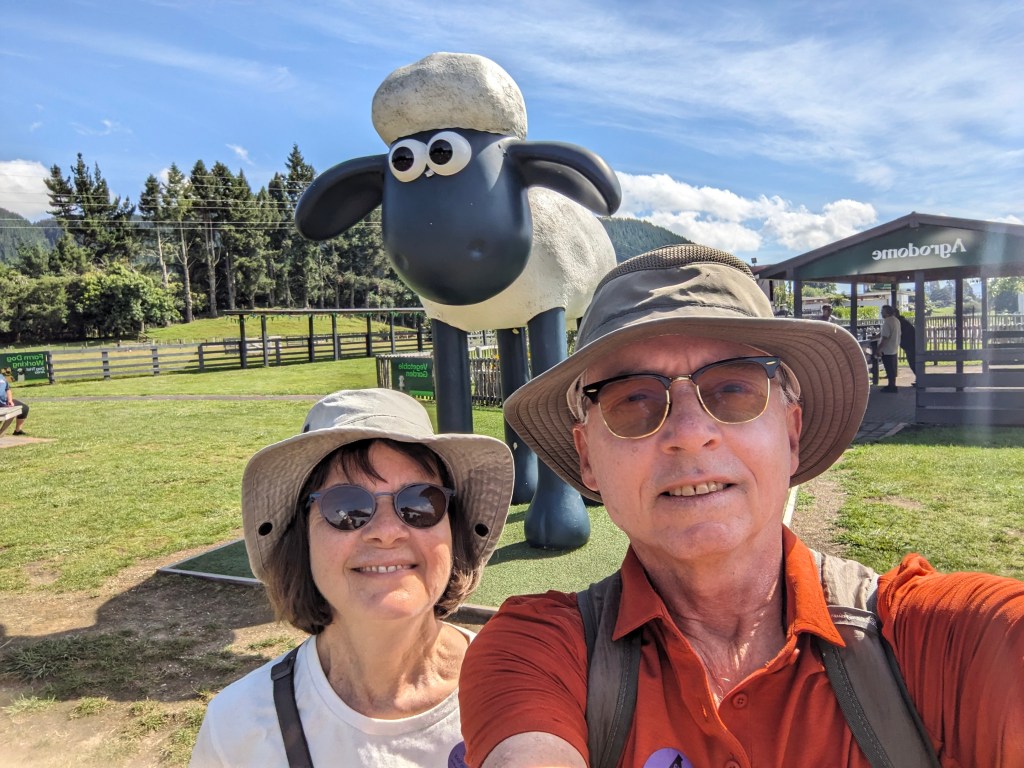
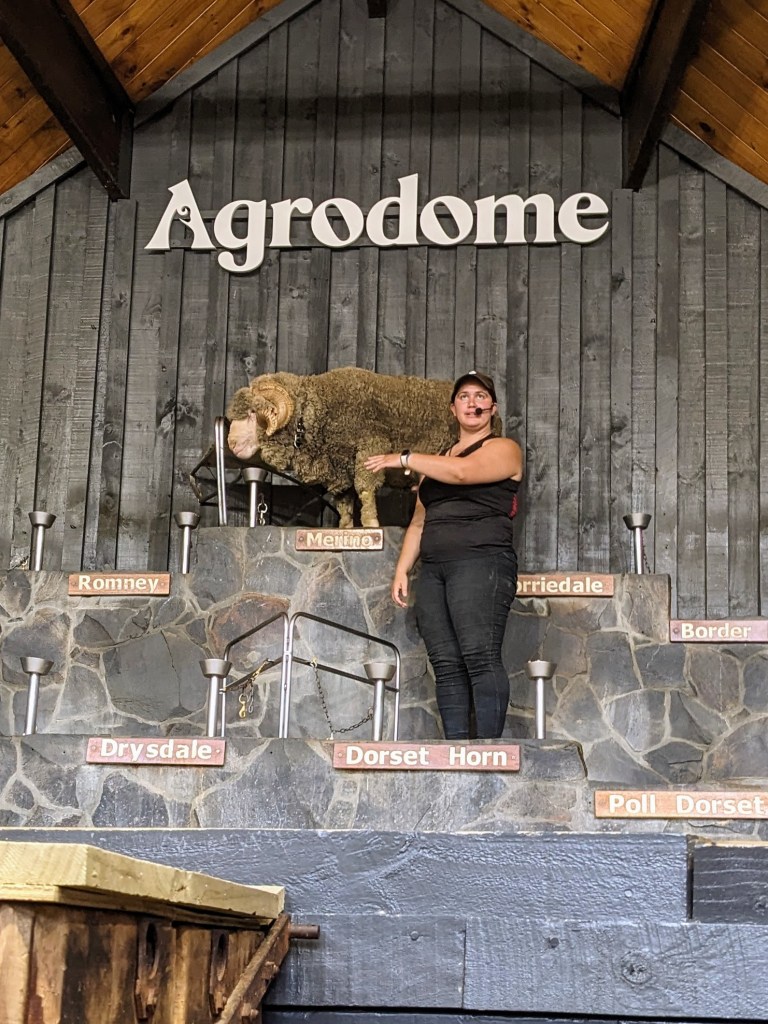
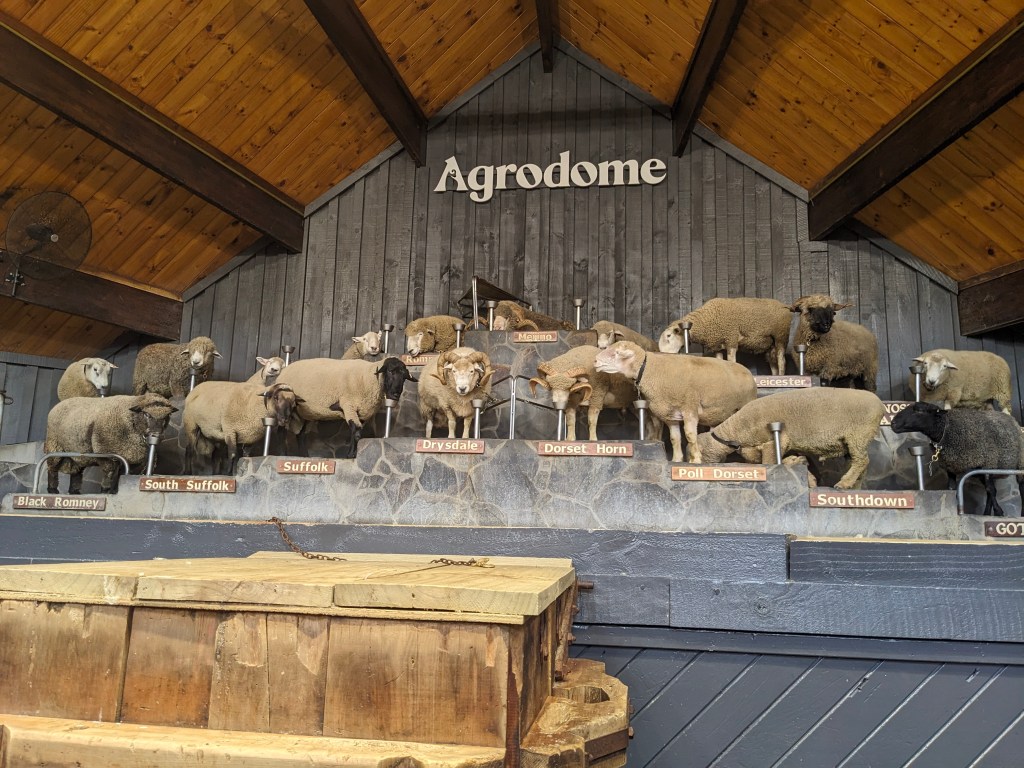
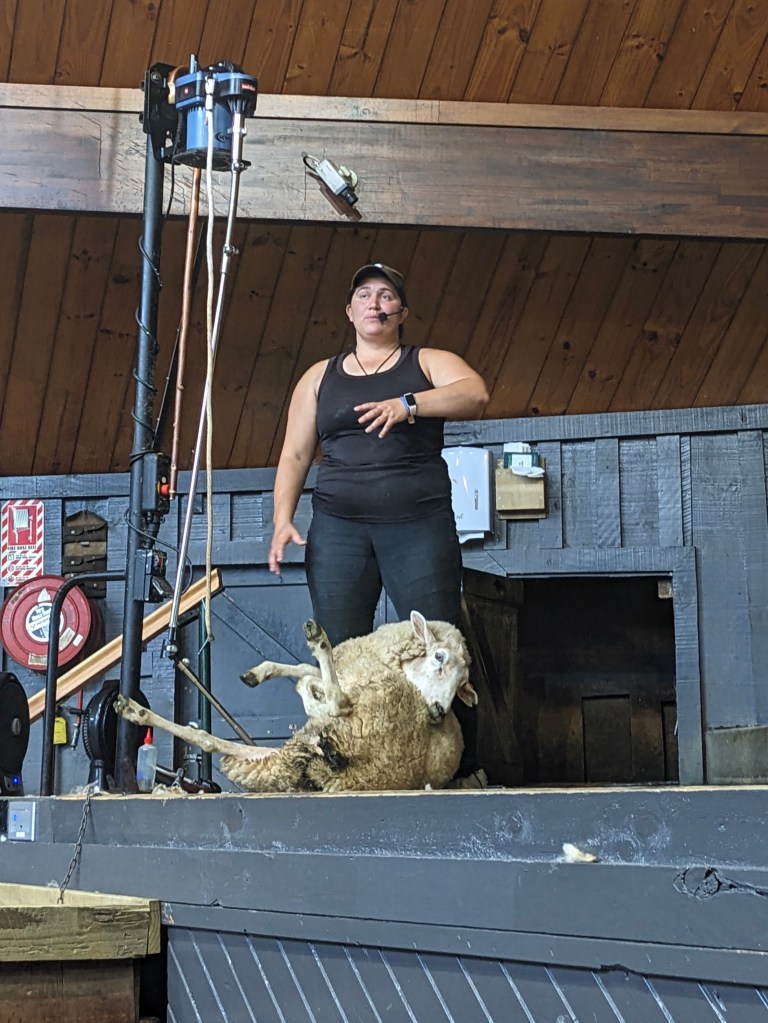
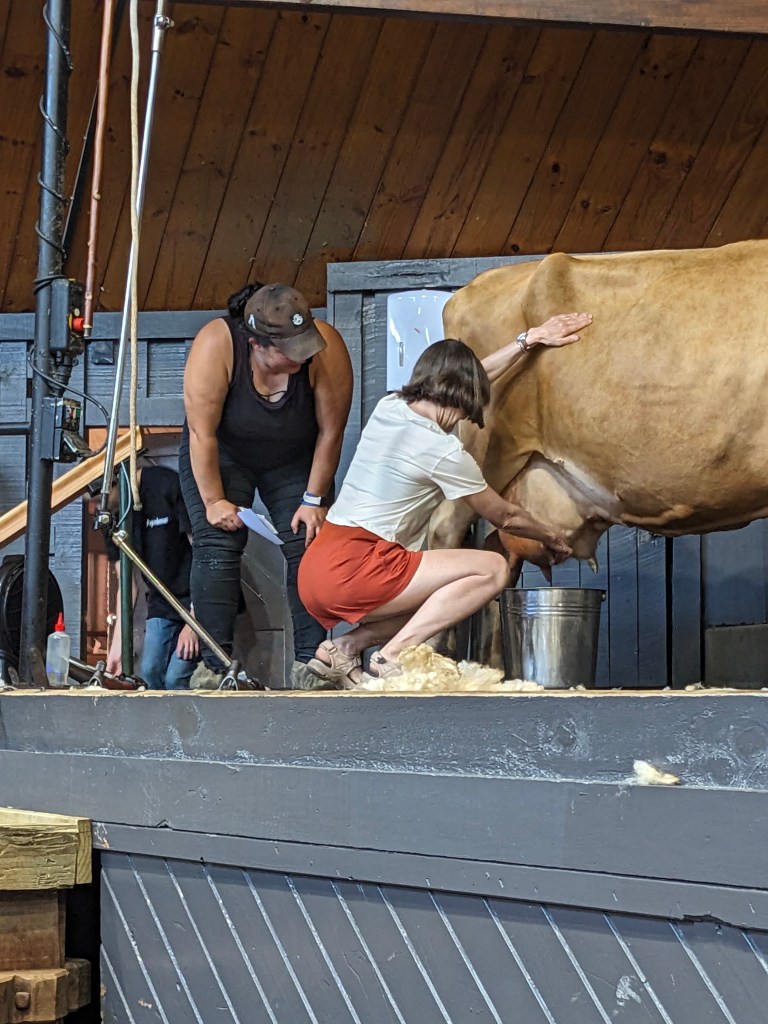
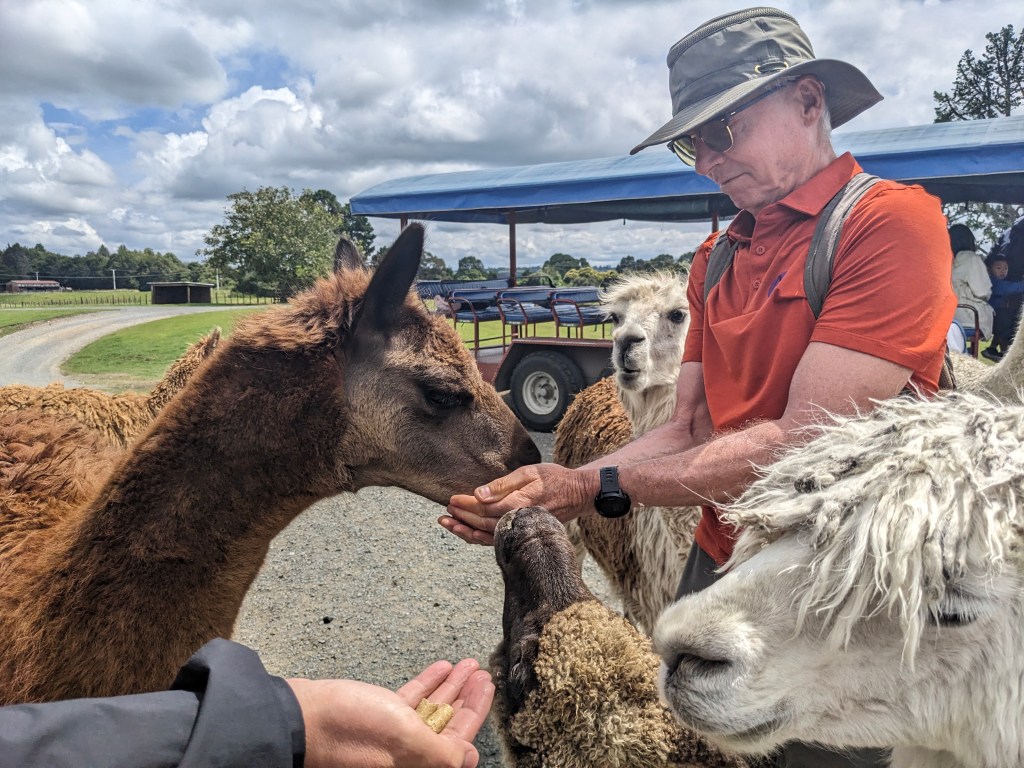
On our final day in Rotorua we took a city bus out to the Agrodome. This is a tourist farm, also an actual working farm, that George visited many years ago on one of his other trips to New Zealand. We saw a farm show that displayed and explained to us the various kinds of sheep, sheep shearing, about the different wool and grades, sheep herding with dogs, cow milking, and a trip around the farm via tractor to see all the animals such as deer, alpaca, cattle and more sheep. It was quite entertaining and Tara had a go at milking a cow.

The weather in Rotorua was quite nice, just one evening with some fierce thunder showers and a big rainfall however the forecast is quite wet looking, fingers crossed for our ride out tomorrow.

Mount Maunganui

8 Feb

Getting to Mount Maunganui took us two days rather than one so that we didn’t have to ride on the highway the whole distance. Instead of 65 kms on the state highway it was 97 kms on small roads and pathways over two days. We still had to be on the highway for about 32 kms of that but it was a much more enjoyable ride. This particular highway into Tauranga is a very busy one and despite having some shoulder (about 1 meter) it is still unnerving.

We left Waihi Beach and did a scenic route to Katikati, riding out to Bowentown on the tip of the peninsula before making our way around and onto the highway. Once in Katikati we rode around a bird sanctuary and past many kiwifruit orchards. This area grows a lot of kiwifruit which is shipped all over the world. Katikati is also known for its public murals.

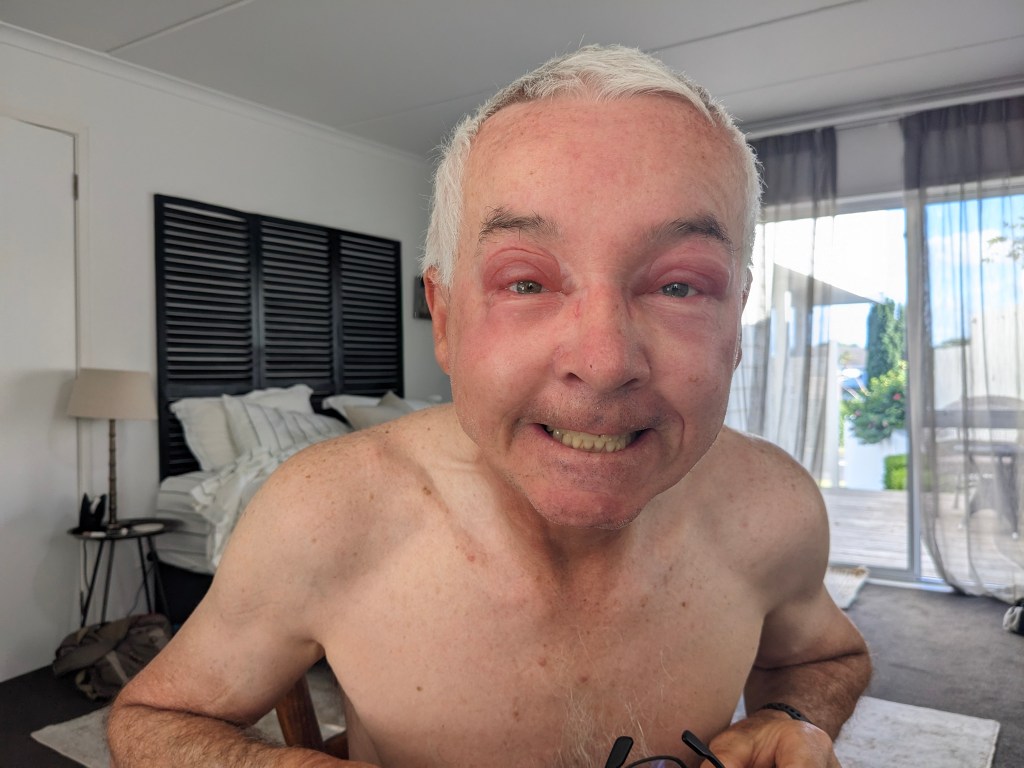
We left Katikati in the morning and rode about 20 kms on the highway before we could get onto some quiet roads and pathways which took us by Omokoroa and Te Puna, through some nice reserves, parks, past beaches and scenic bays. This part was lovely. Getting through Tauranga was relatively easy as the city has quite good bike lanes. There was one tricky bit getting over the bridge to Mount Maunganui; we somehow had to get across a very busy intersection with cars going in many more directions than seemed possible and which lacked crosswalks and bike lanes. We eventually had to just hoof it across when the coast was clear. Unfortunately during this ride George made hard contact with a bee that got into one of the vents of his helmet and caused considerable damage. Tara removed the bee, which was plastered to his forehead, and all the other bee bits she could find but he ended up with a very swollen forehead and eyes which gradually resolved over the following 4-5 days with regular antihistamine, ibuprofen and a cooling gel eye mask. The captain does take the brunt of the bugs on a tandem.

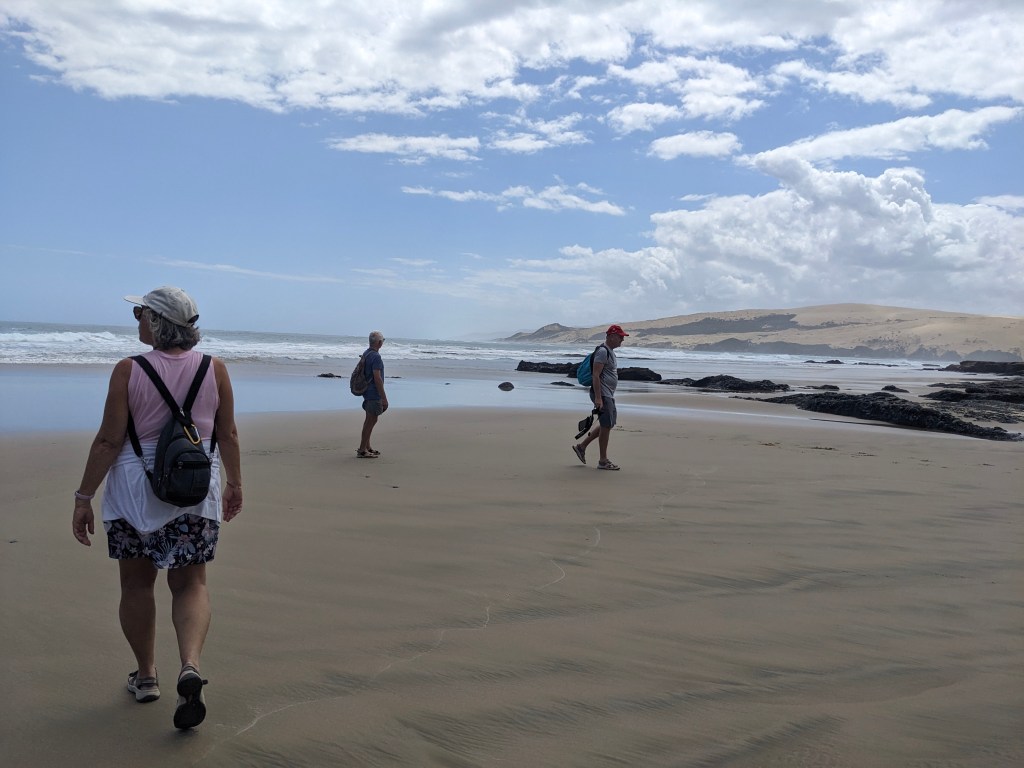
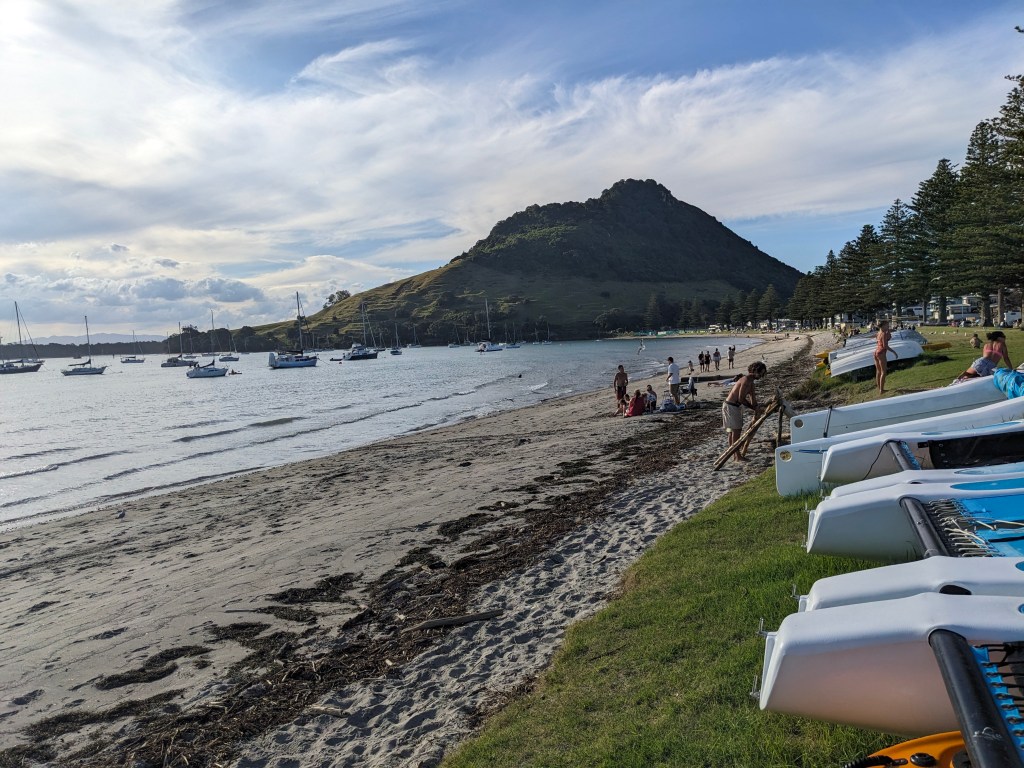
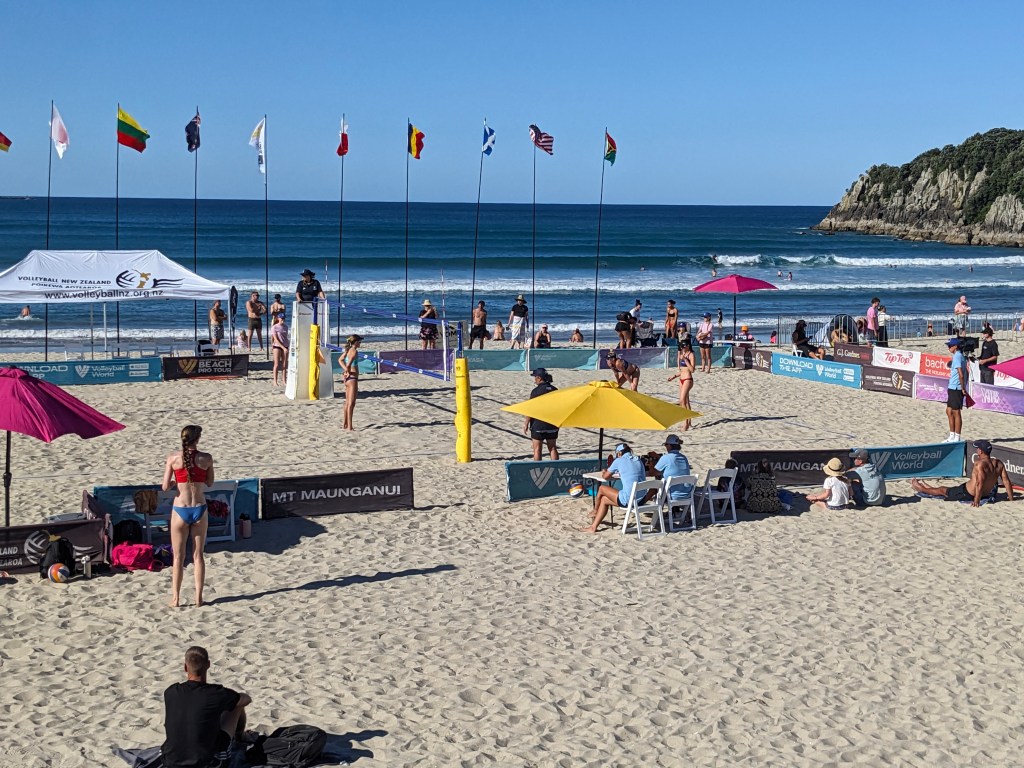
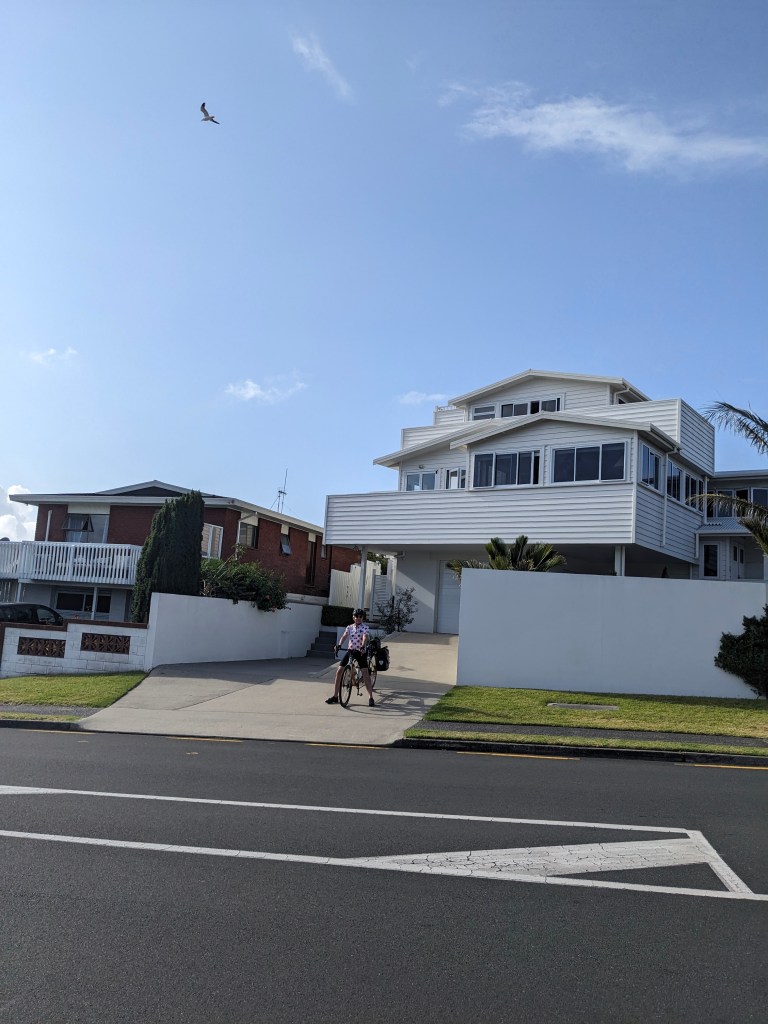
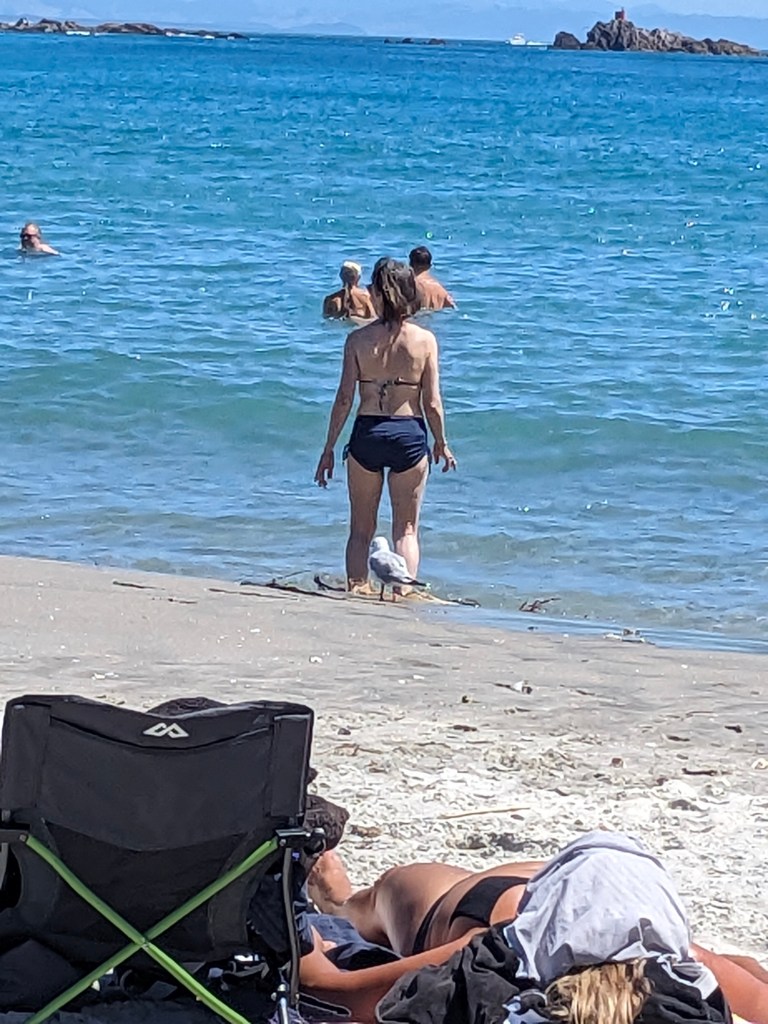
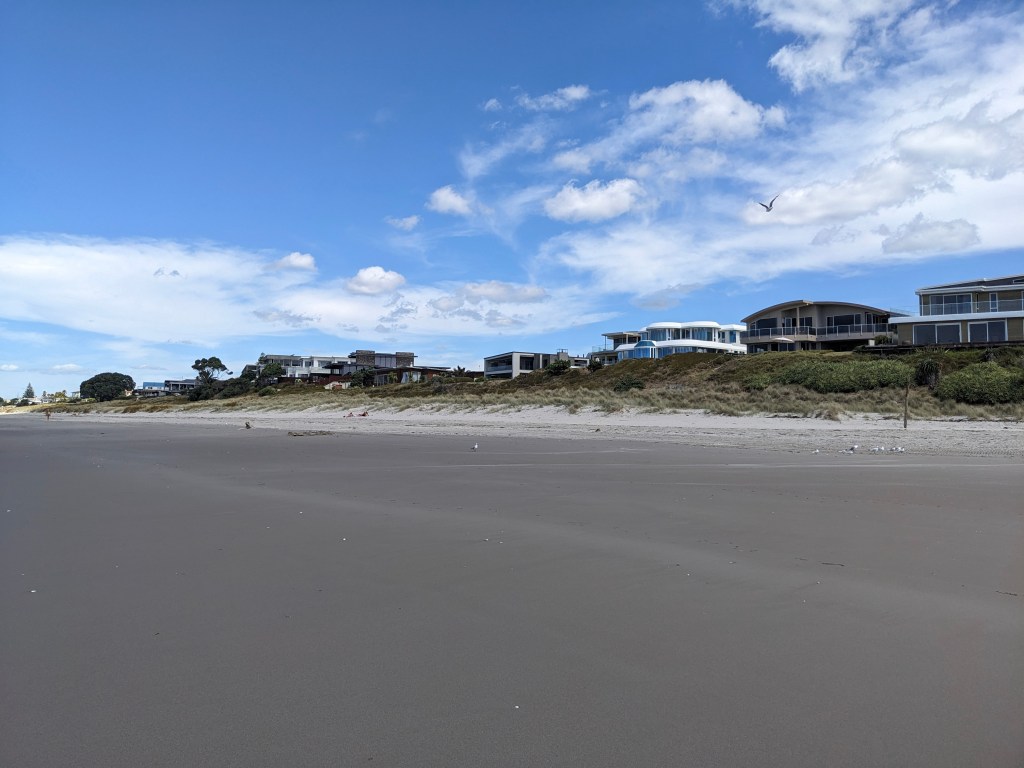
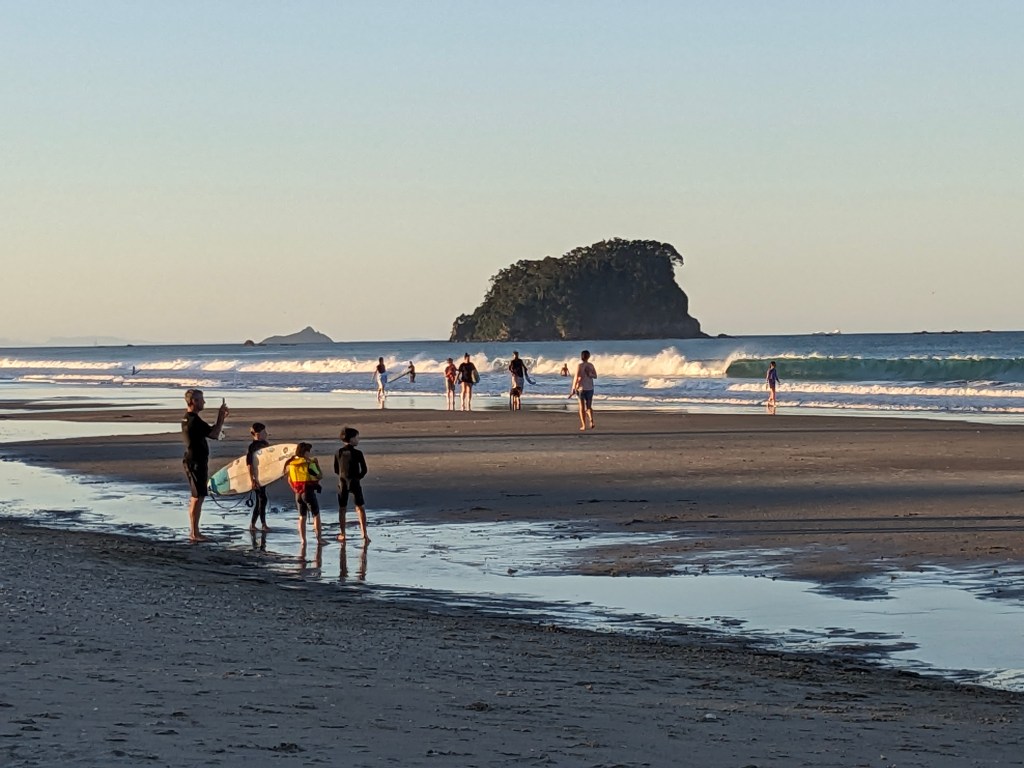
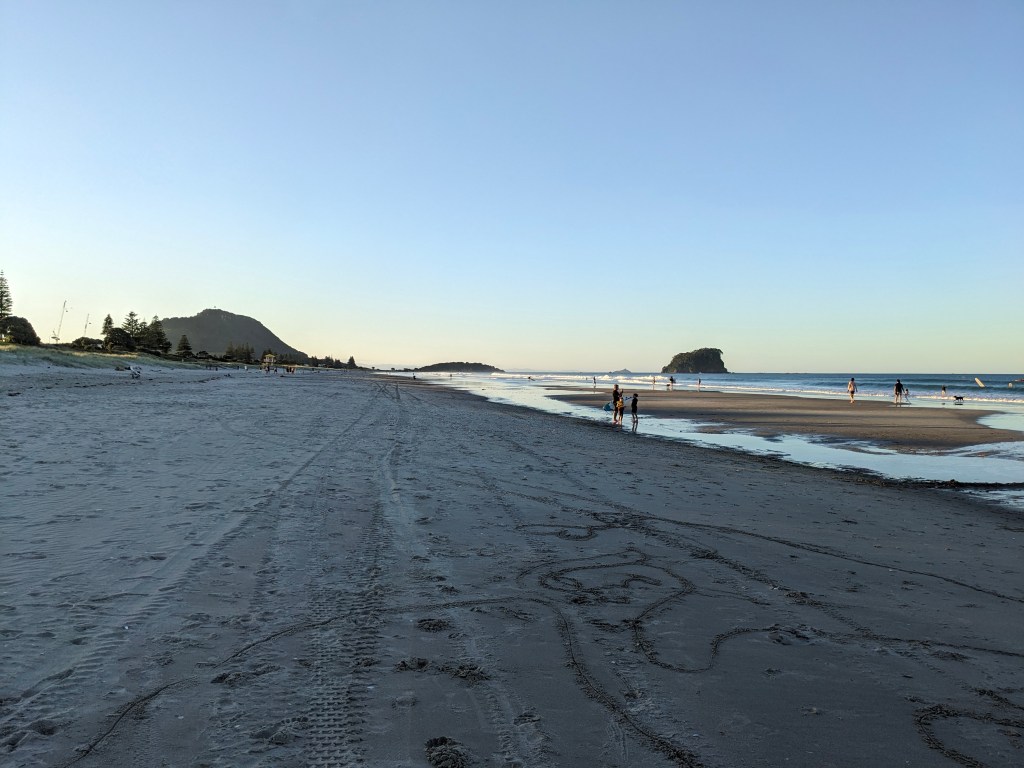
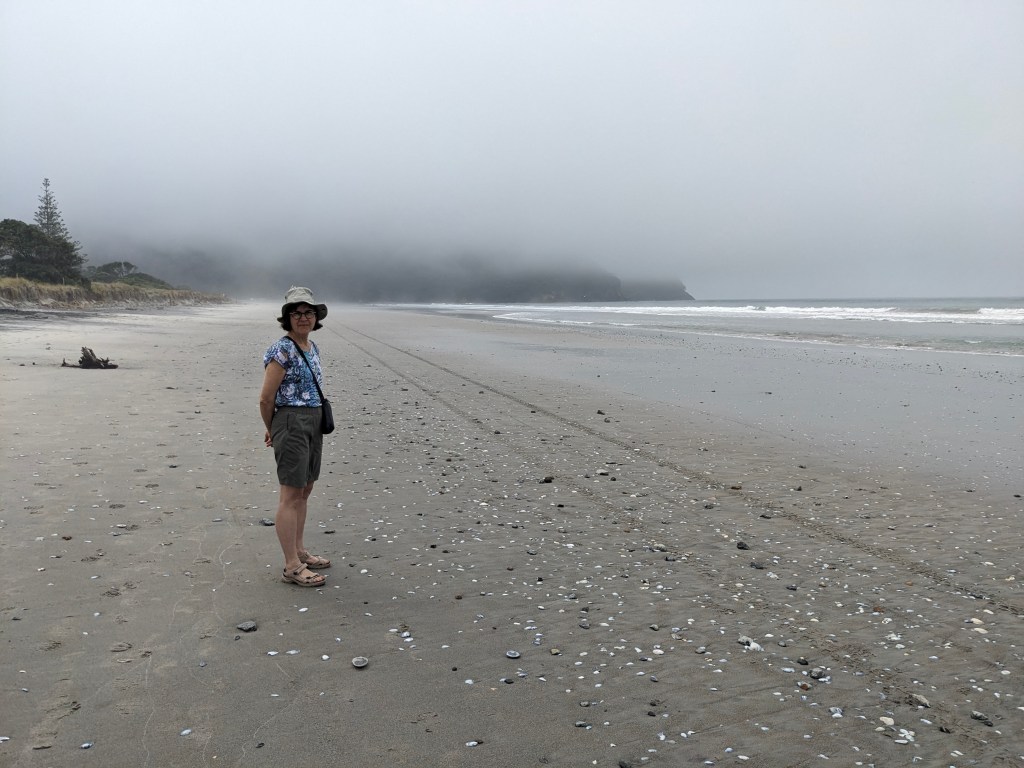
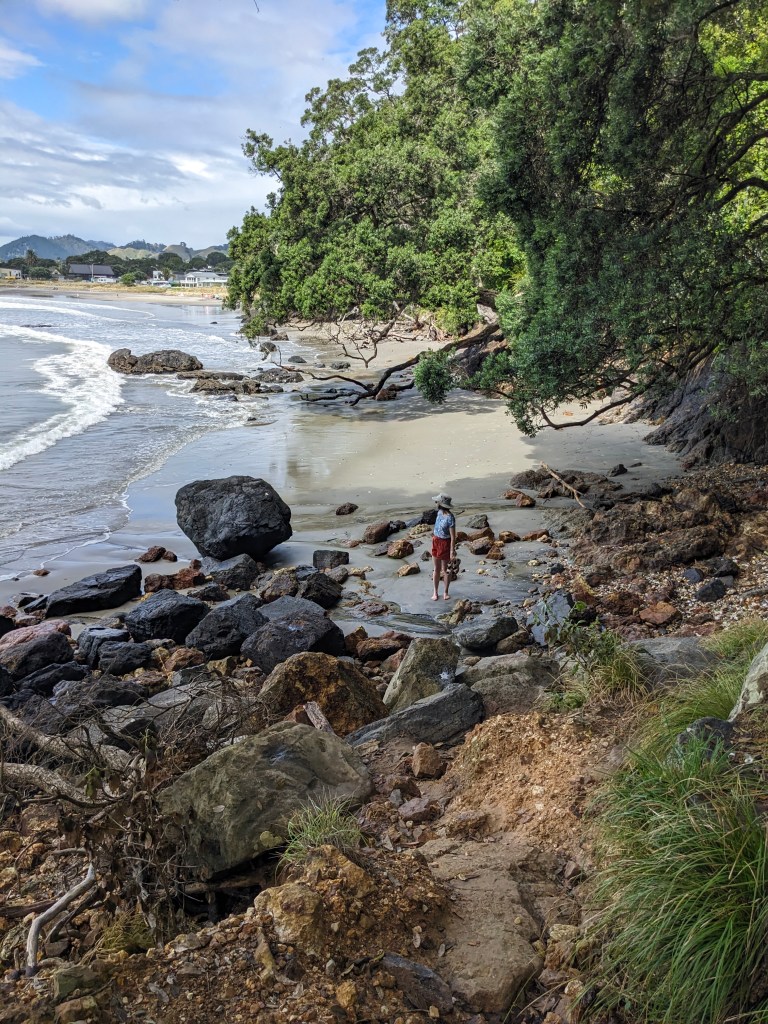
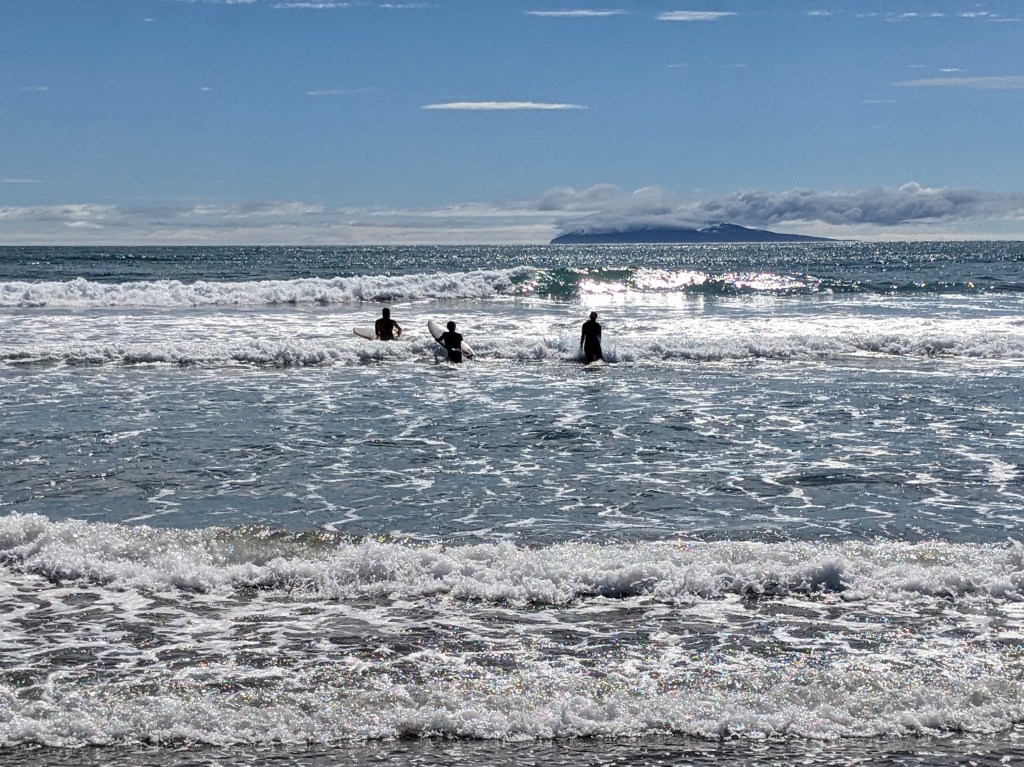
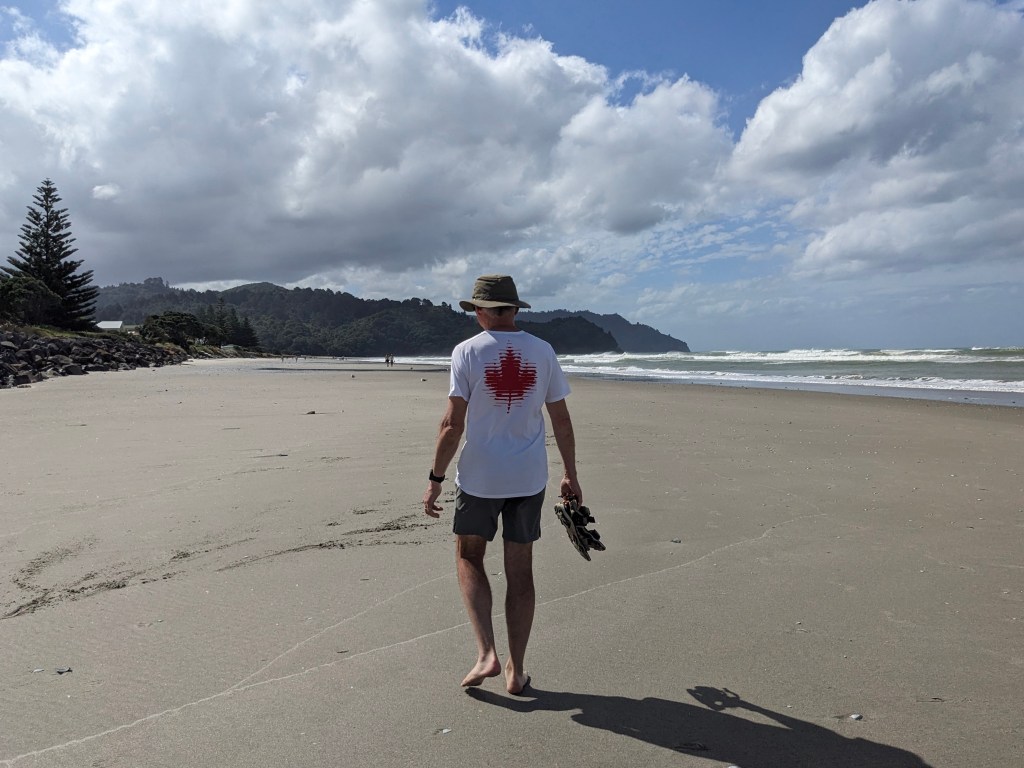
We spent 3 days in Mt. Maunganui, staying in a private suite in a lovely home close to the beach and not too far from the lively commercial area. The weather was quite good and we had a very relaxing stay. We did several beach walks on the amazingly long and wide beach here (about 20 kms long!) and enjoyed watching the waves and the surfers. We did go in for a little dip but found the water quite chilly and the waves intimidating. On the other side of the peninsula is a quieter and smaller beach called Pilot Bay that is calmer and we hoped to be able to do some paddle boarding but unfortunately it was a bit too breezy.

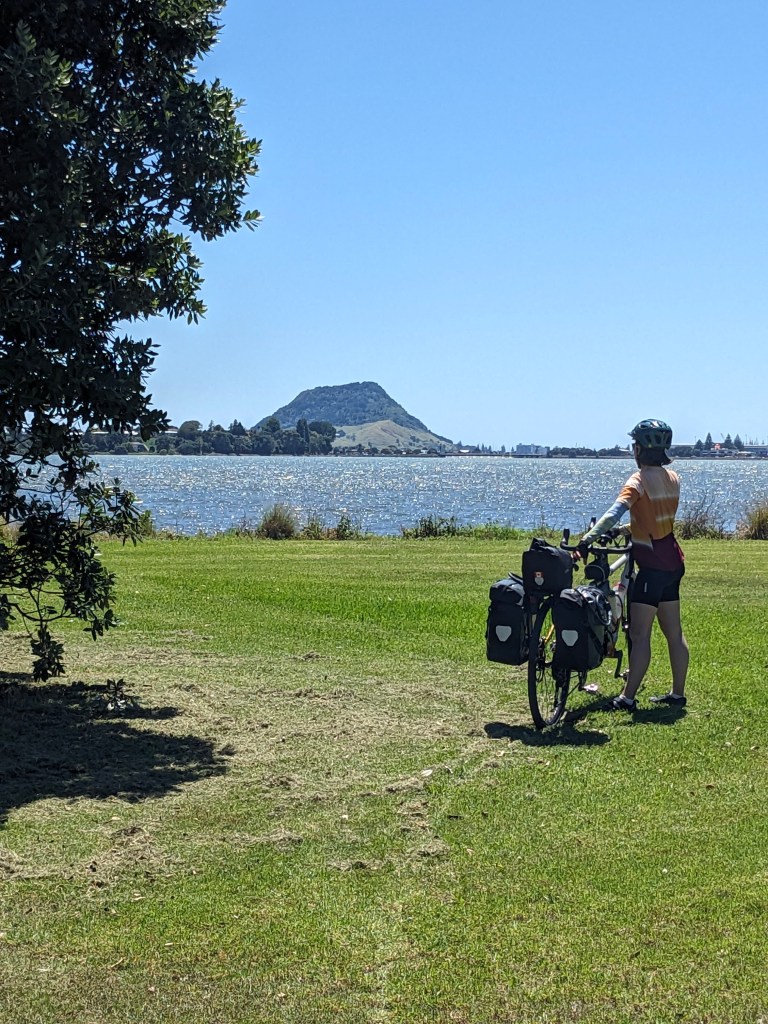
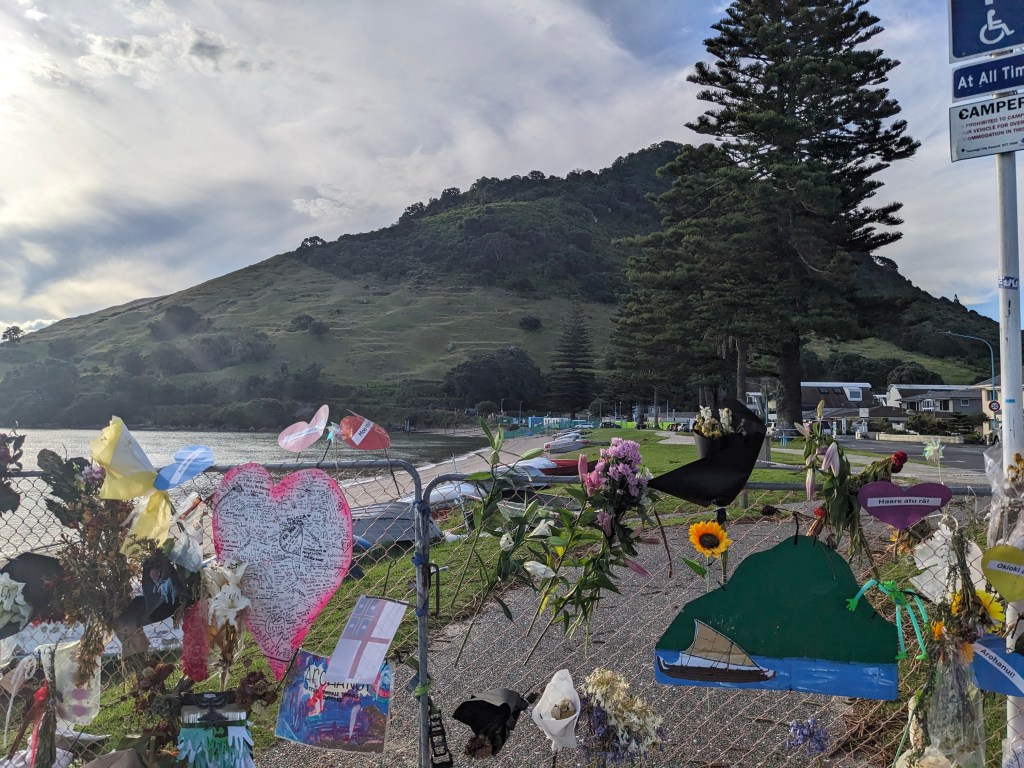
At the base of this peninsula is the famous landmark Mt. Maunganui and it is indeed a magnificent view. Normally you are able to walk around the perimeter and hike up the mountain but the entire area is currently closed off due to the recent rain storm which caused several large landslides on the mountain, one of which occurred into a campsite at the base and killed 6 people.

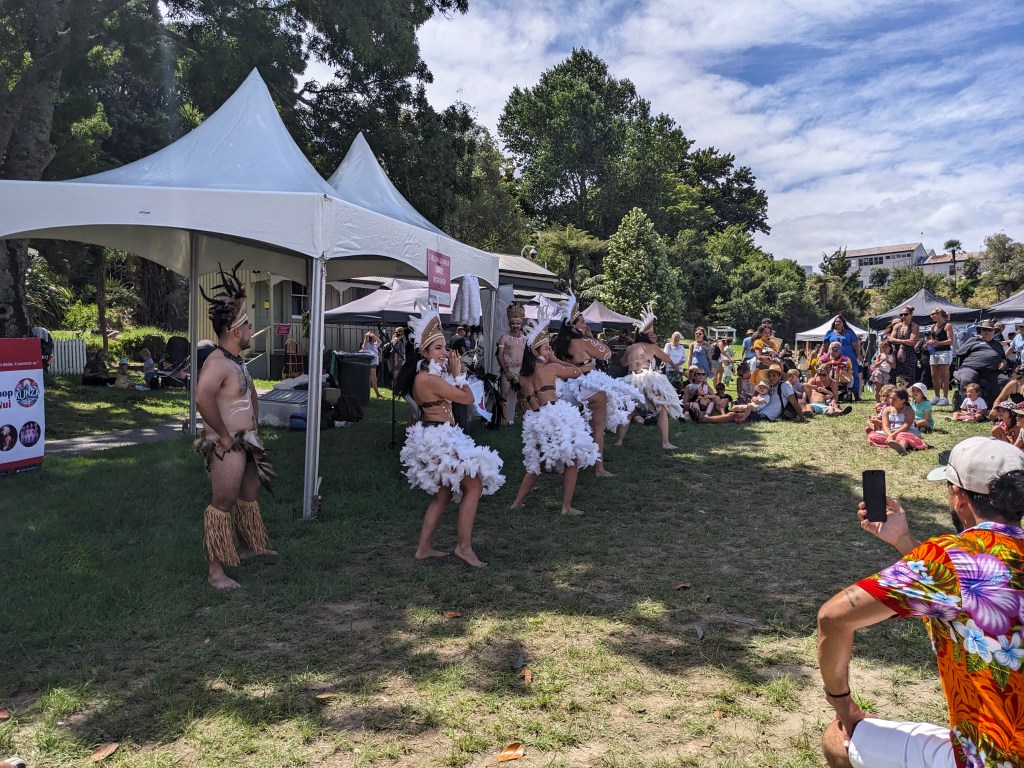
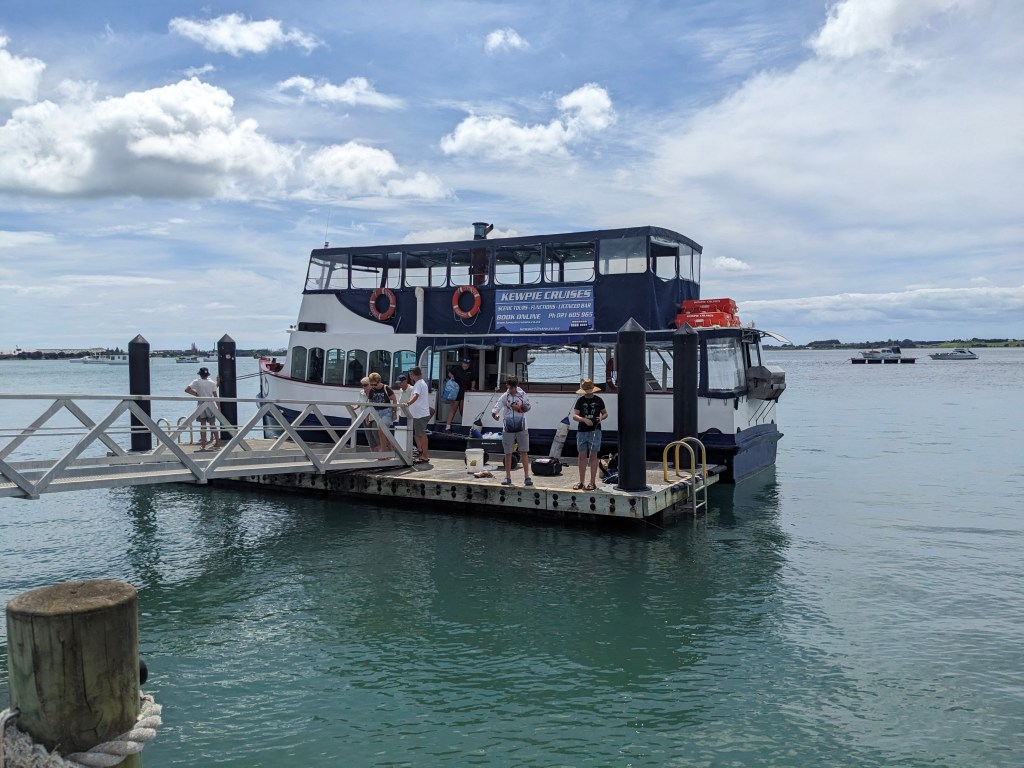
The first day we were here was Feb 6, Waitangi Day, a national holiday in New Zealand, commemorating the signing of the agreement between the Maori people and the British government under Queen Victoria. It involved use and sale of the land as well as governing and was clearly a good deal for the British, not so good for the Maori. We attended a Waitangi Day festival which was really more like a heritage day festival but interesting nonetheless. We also went on a harbour cruise around the bay and the mountain. While here we met up with friends of a friend for dinner. They were lovely folks, local for some time, and well travelled themselves. We picked up many tips on our route and places we were going. (Thanks Heather and Dennis!)

Hauraki Rail Trail to the Bay of Plenty finally!

3 Feb

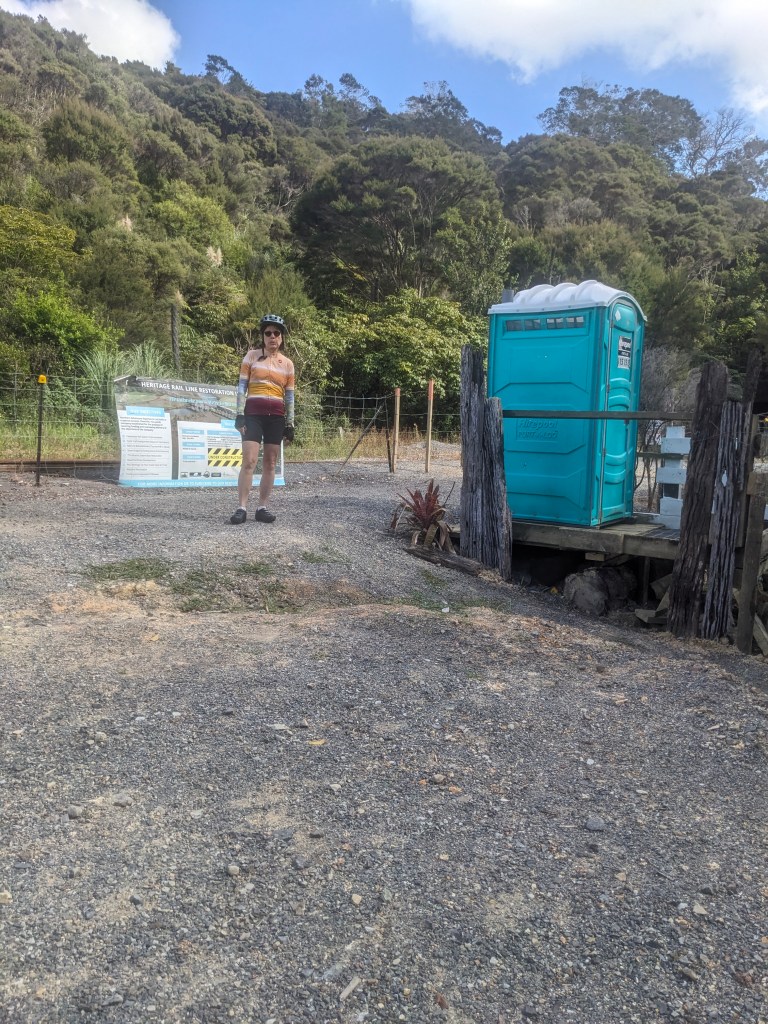
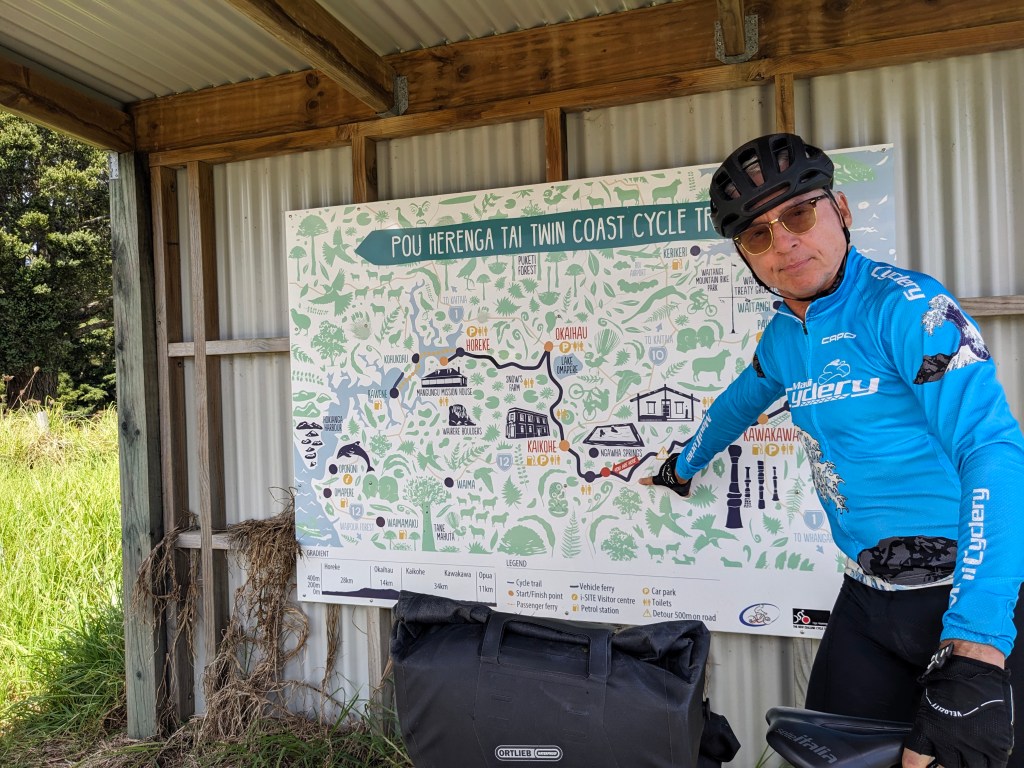
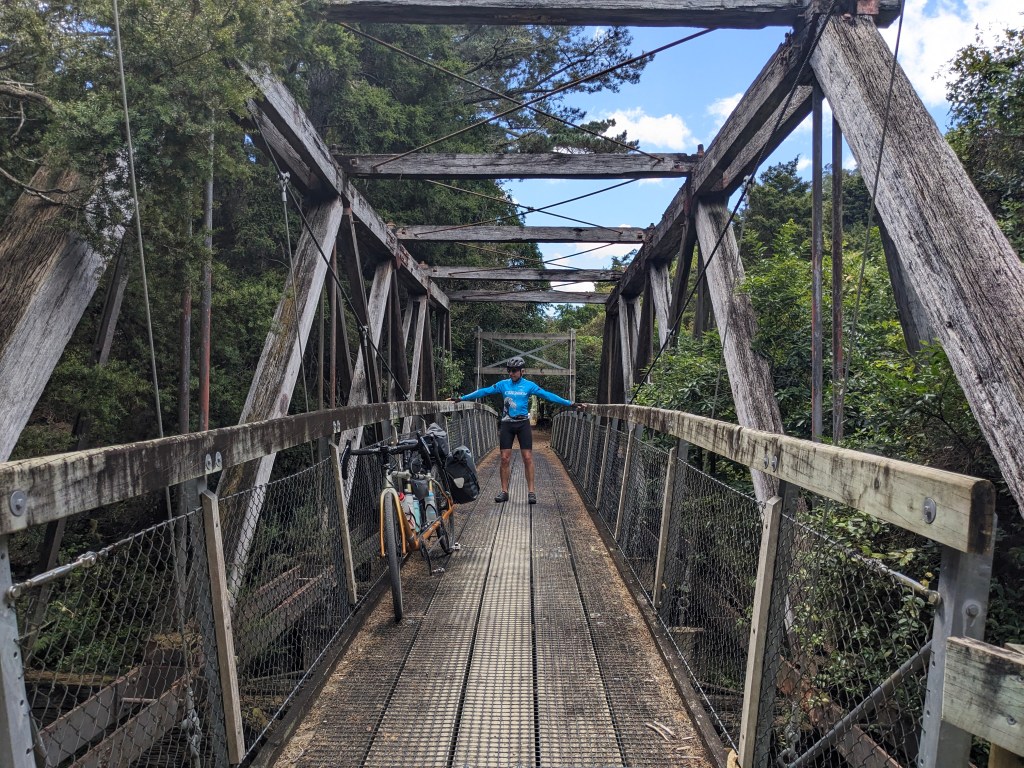
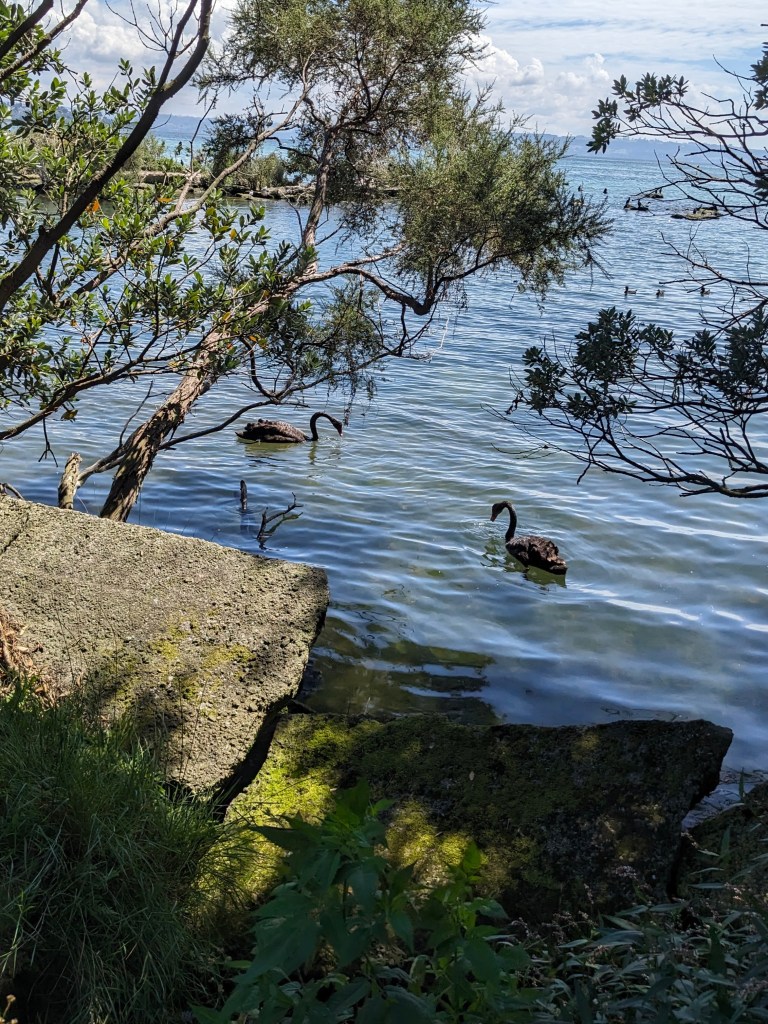
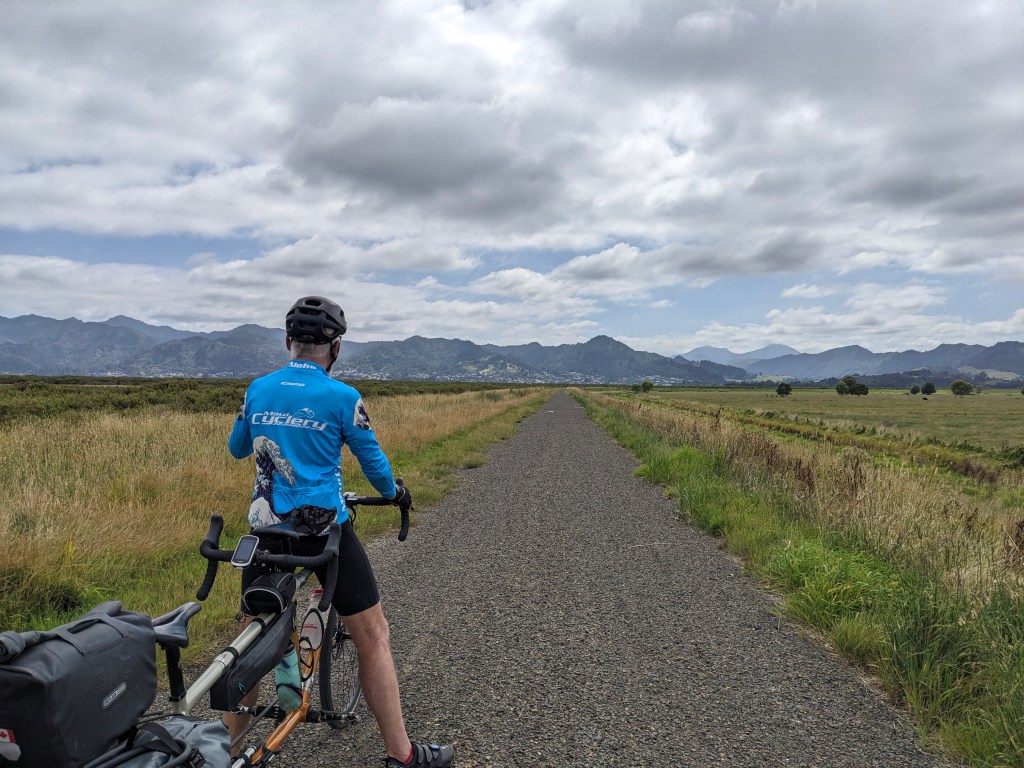
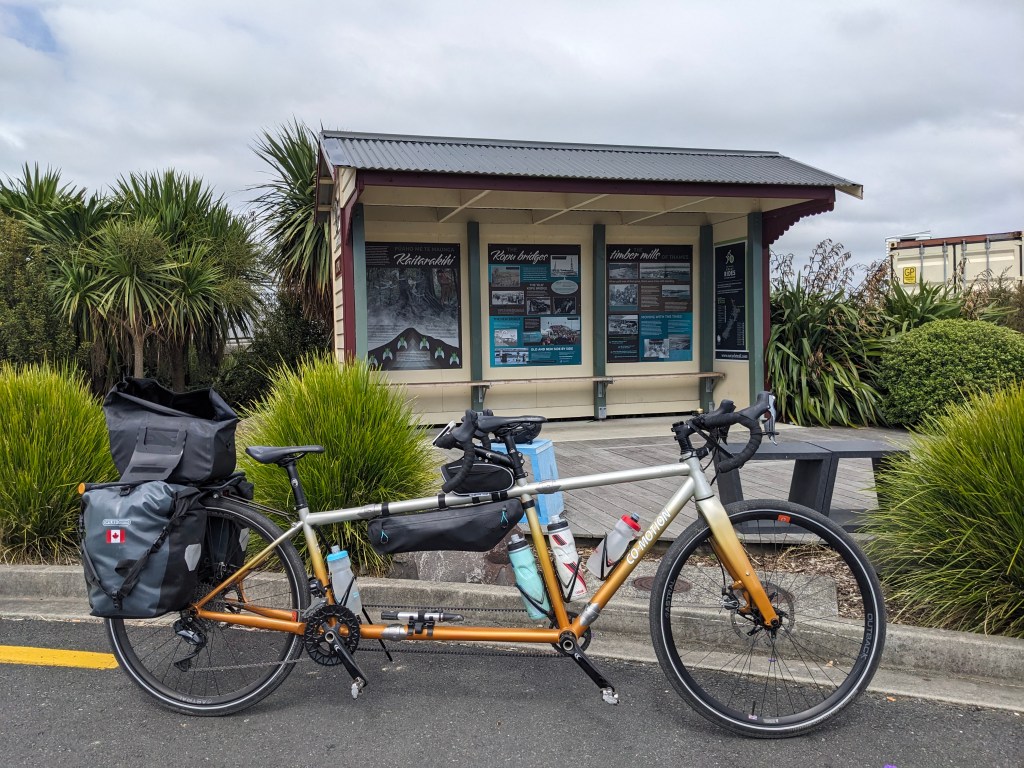
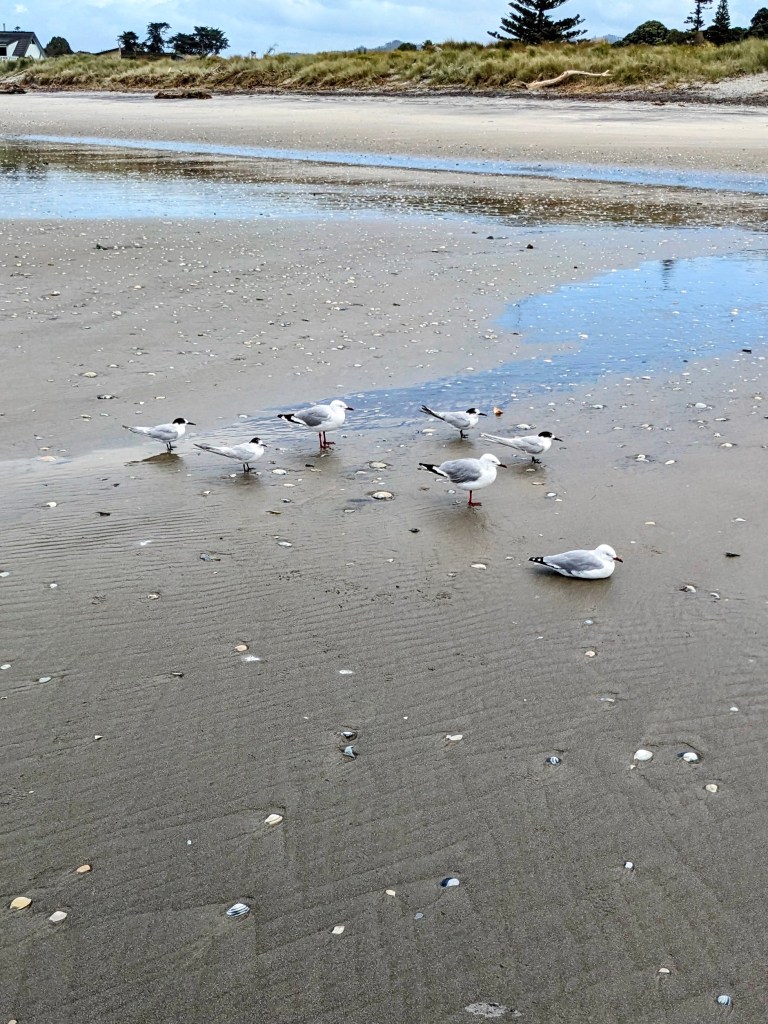
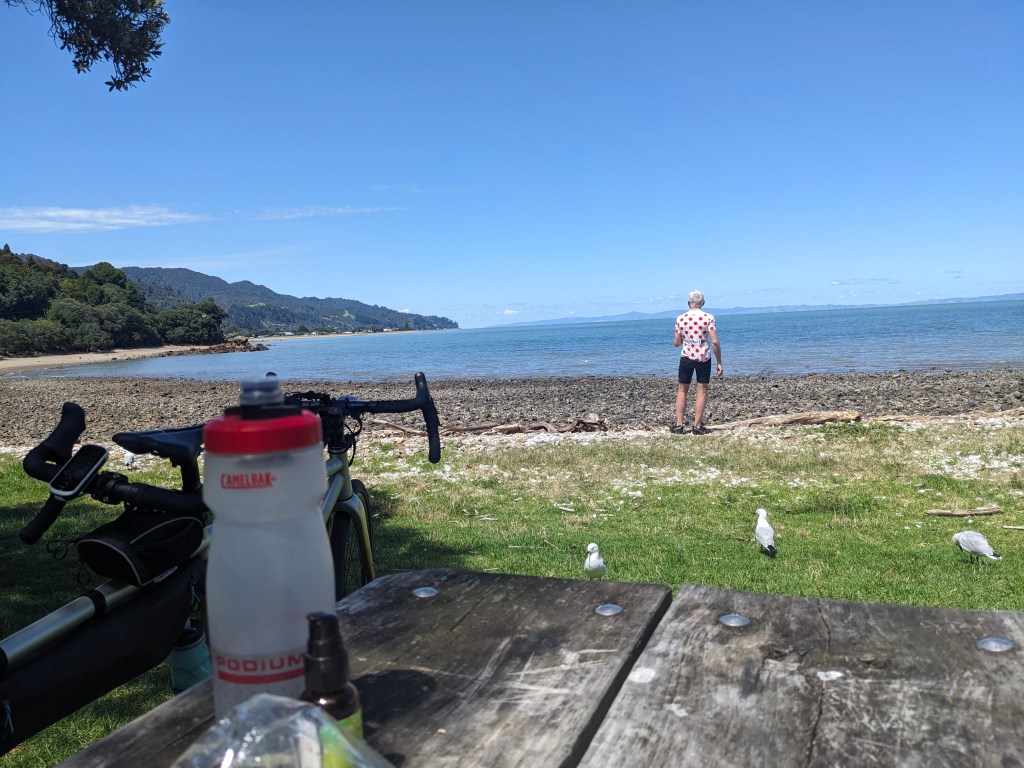
The Hauraki Rail Trail is one of the 23 Great Rides of New Zealand, designated, marked, and supported tracks for cyclists. Most are gravel, some are old railway lines converted to trails like the one we went on going south from Thames. We started out south but then added a bit going west and back on a part that we originally (so long ago) had planned to ride here from Auckland. Along the shoreline there are many birds, almost none of which we have at home so we have turned into birdwatchers. I am using an app called Merlin to help identify and keep track of them. The track going south was gravel but not difficult for our 38mm tires (43 would be better), although the Captain needs to maintain focus lest we slide into the ditch. The trail is well maintained and includes informational shelters and toilets along the way.

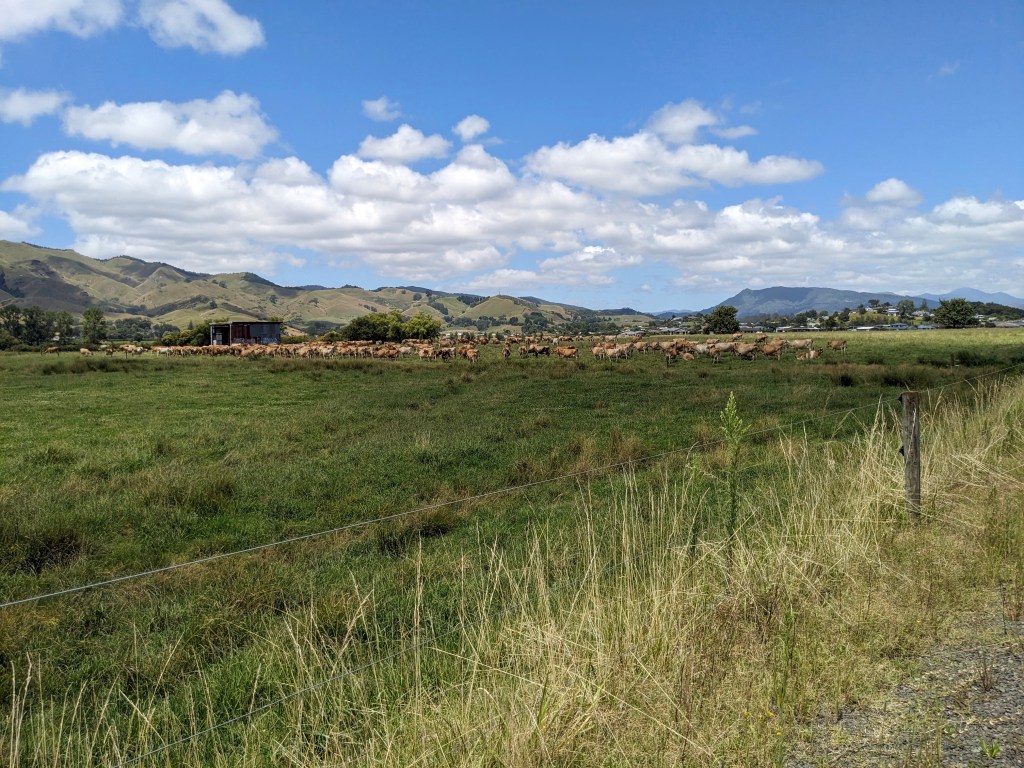
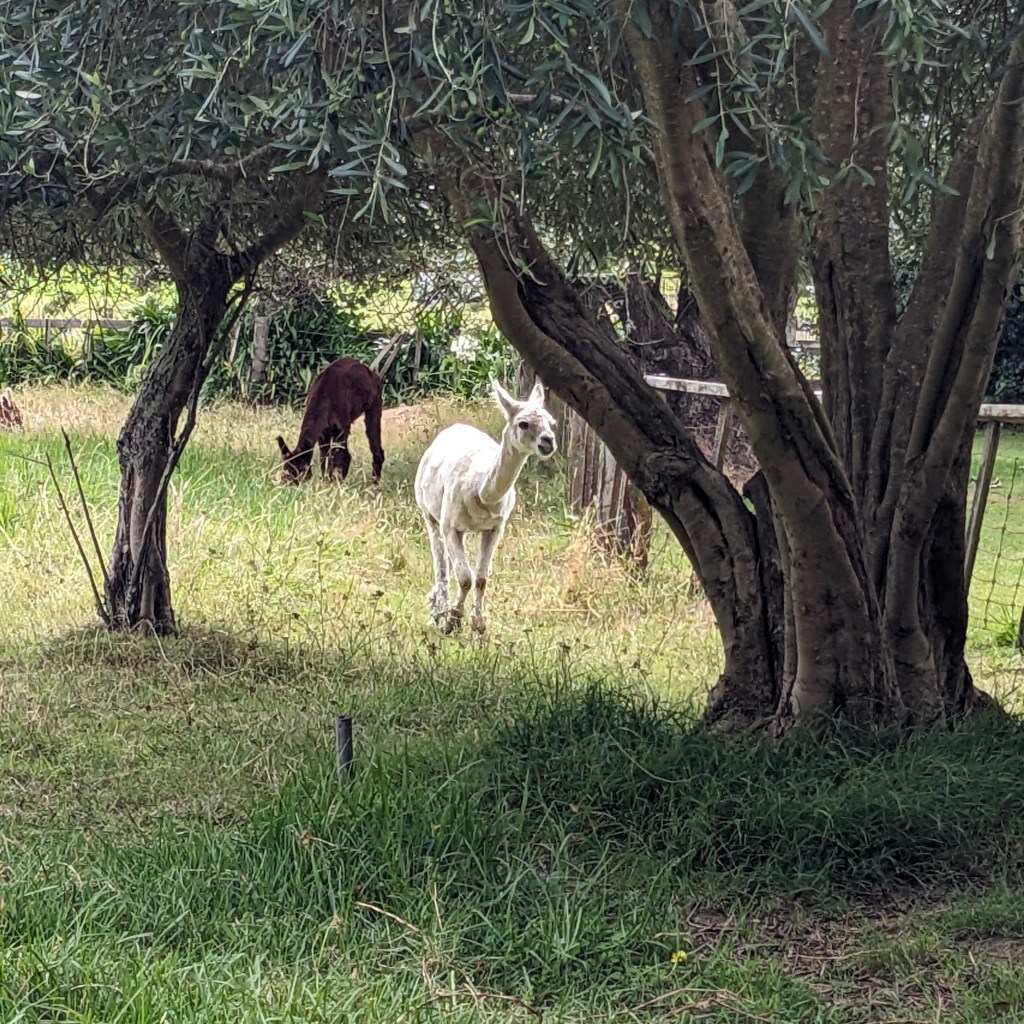
This is an intensive dairy country populated by Holstein-Friesian and Jersey cows, the latter of which make really good ice cream :-). You see them and smell them everywhere along this route, and there was also a notable Cheese Barn/cafe along the way which also had a few alpacas and rabbits for good measure.

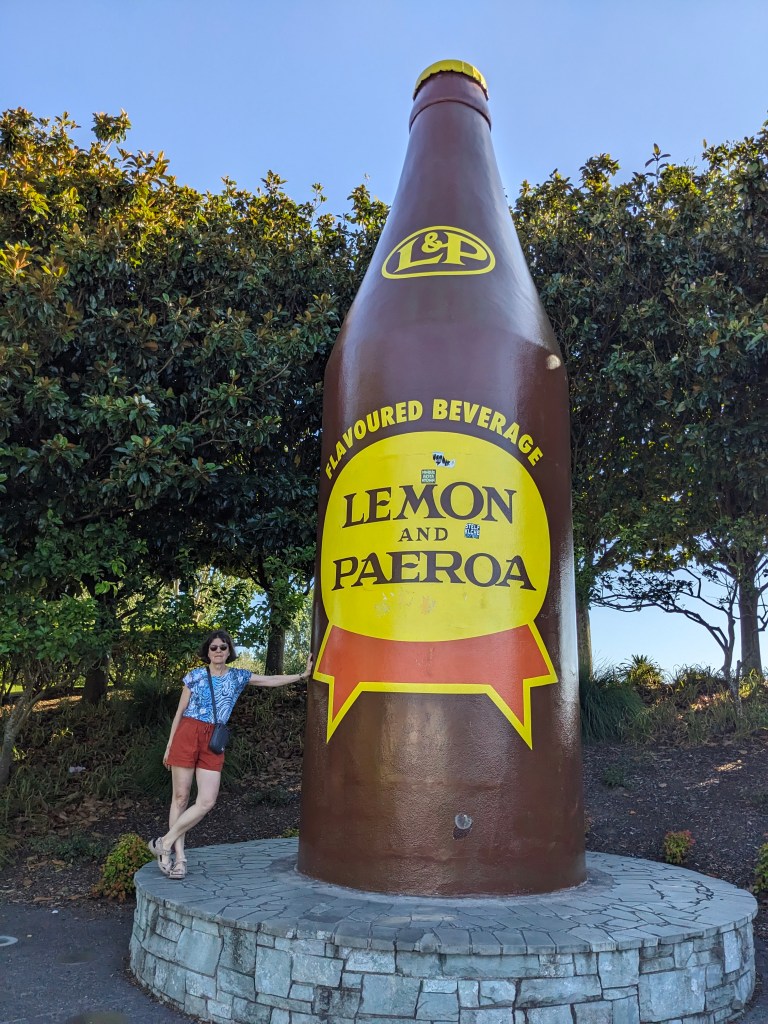
We did a one night stop in Paeroa staying at a modern motel close to all needed amenities such as coffee and groceries. Paeroa is famous, “world famous in New Zealand”, for being the birthplace of a soft drink called Lemon and Paeroa, which mixed lemon flavouring with the natural spring water of the area, although it tastes a lot like Sprite. They have memorialized the drink by having a giant L&P bottle available for tourists like us to take a photo of.

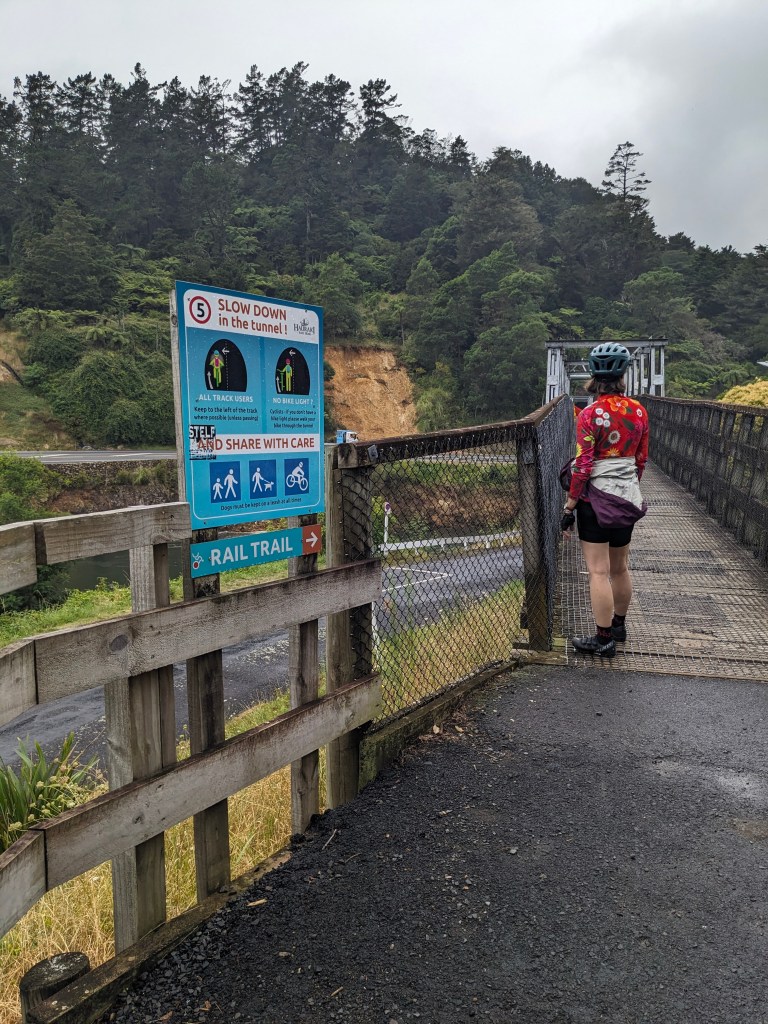
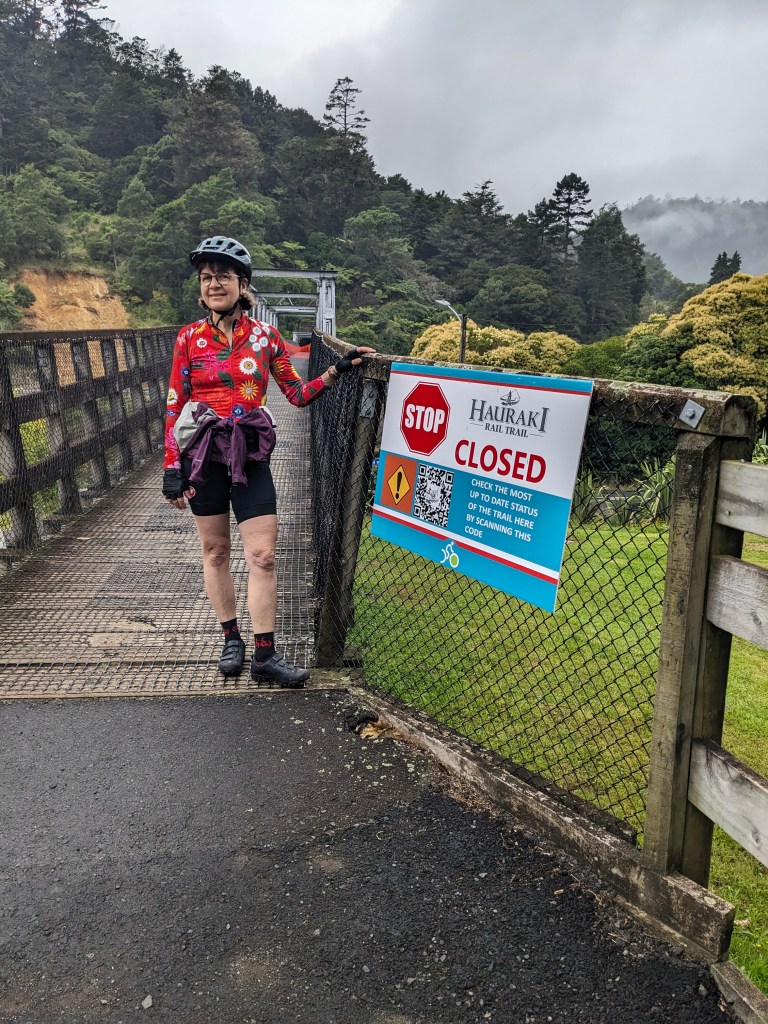
Going east the next day on the way to Waihi beach, we began on an offshoot of the Hauraki trail which cuts through the Karangahake gorge and goes under a hill through a 1.1.km tunnel, saving us a climb. However, due to the recent weather event part of the trail was damaged so we only got as far as the start of the tunnel. We had found this out beforehand though so we had (re)planned to switch to the highway at that point. Also the rain had returned so overall it was a wet, but still warm, day. Again, riding on the highway is not ideal here but, also again, the drivers were well behaved.

So we have finally arrived on the east coast. We would have been here for awhile now except for the big rains that continue to have an impact on our trip. We were going to do a hike here along the coast but the trail was closed due to storm damage. We are staying in another holiday park cabin in Waihi Beach. The weather has been warm but still a bit drippy at times with sunny breaks. There is an amazing long and wide beach here that we didn’t reach the other end of after an hour of walking. The waves are a bit too wild for swimming in so we just walked and watched the surfers.

Thames

31 Jan

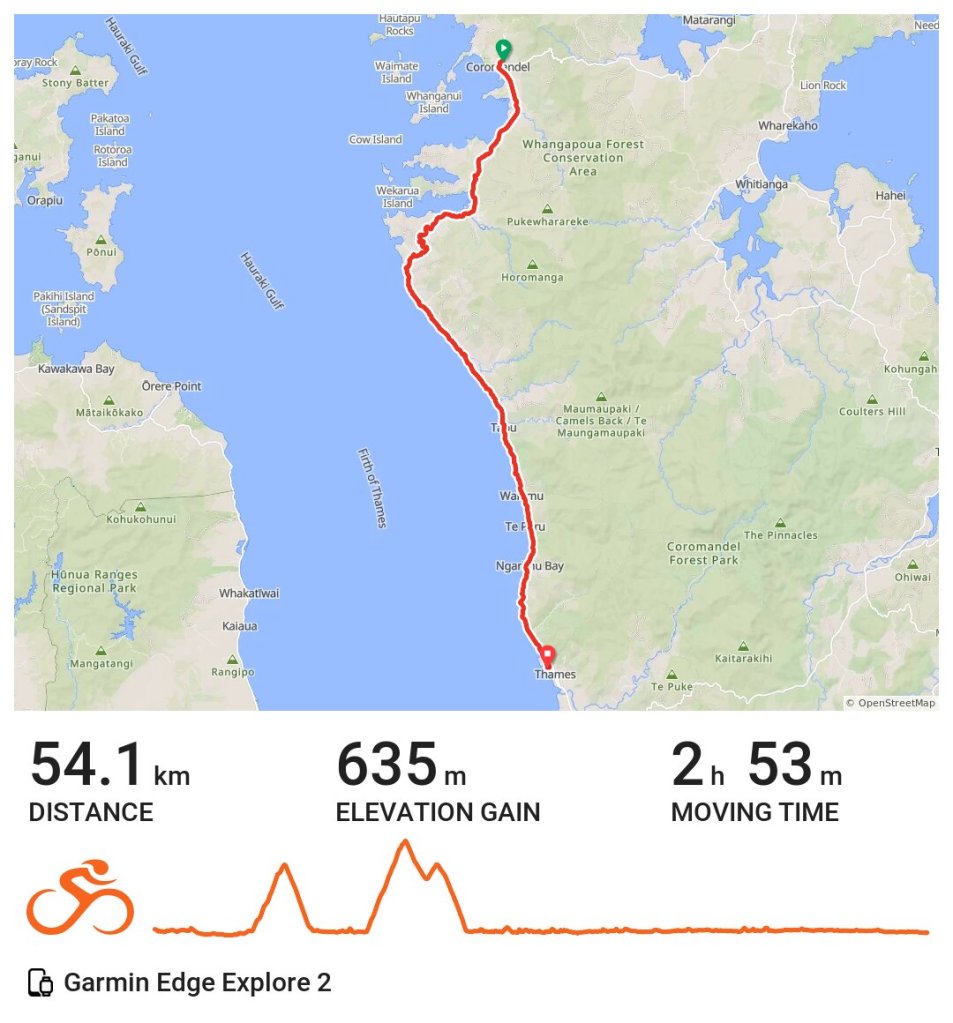
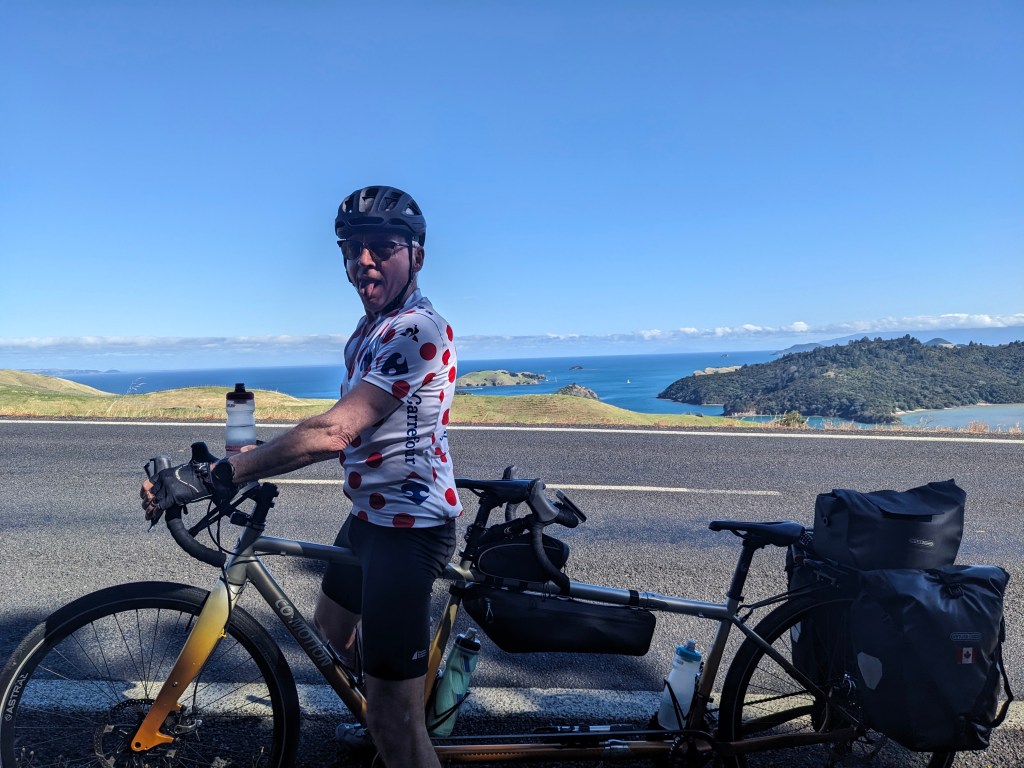
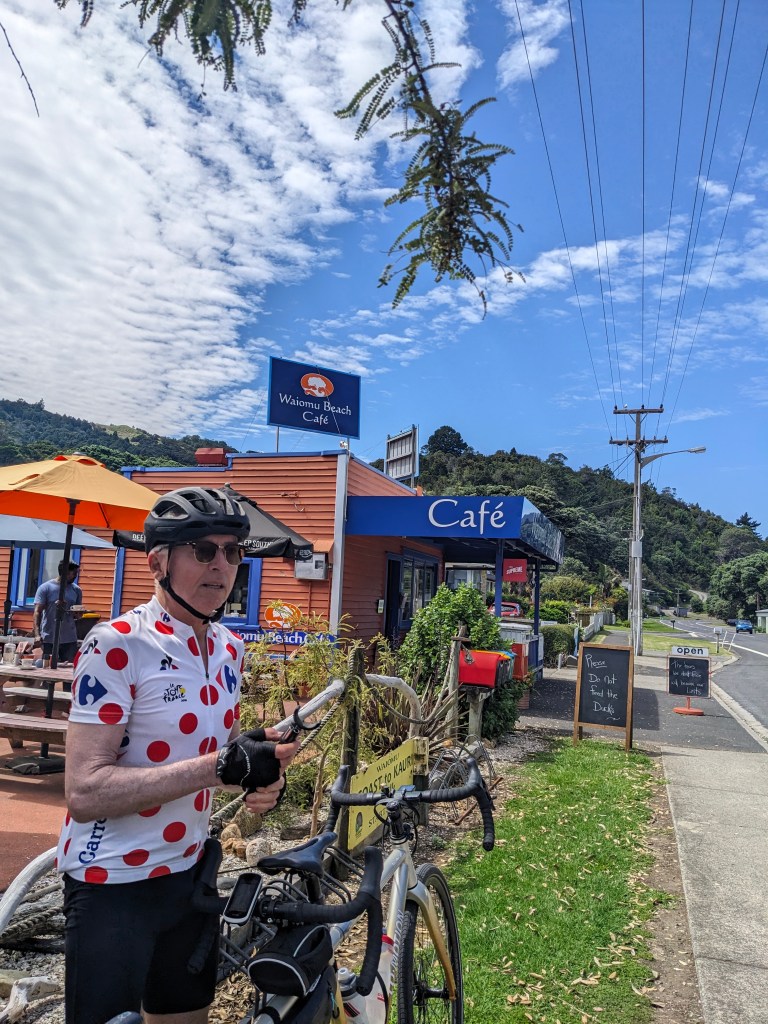
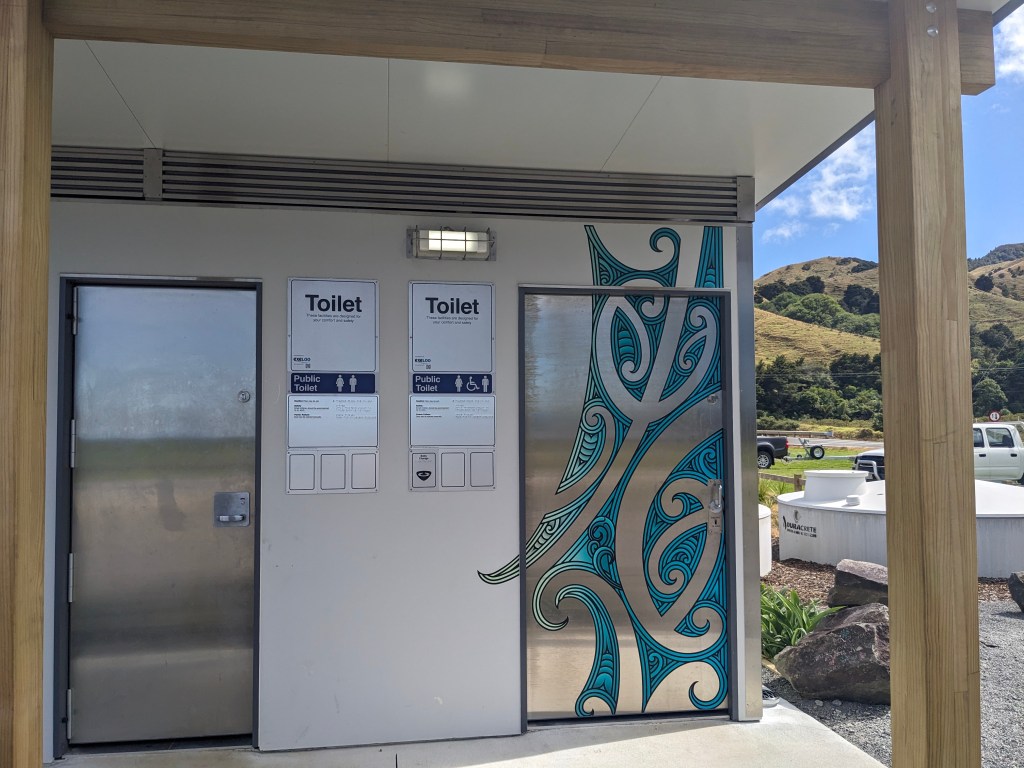
We rode south to Thames along the western side of the Coromandel Peninsula following a beautiful coastal road except for 2 big mountains that got in the way. We were thankful that the climbs were at the start of the day rather than the end and we got an earlier start to beat some of the tourist traffic. It took almost 2 hours to get over these bumps after which it was pretty easy the rest of the ride, just rolling hills. We saw many beautiful bays, birds, and the various native trees that we can now identify. Unlike in Europe there were not many cafes along the way so when we finally came upon one we definitely stopped to enjoy a nice coffee. Another feature unlike Europe, there are many public toilets which is a very handy thing when cycling. New Zealand is known for having plenty of public facilities and we have noticed and utilized them. We aren’t having much trouble riding on the left and even amongst a decent amount of traffic on major roads. There is never enough shoulder but the drivers are overall quite well behaved and patient about passing us.

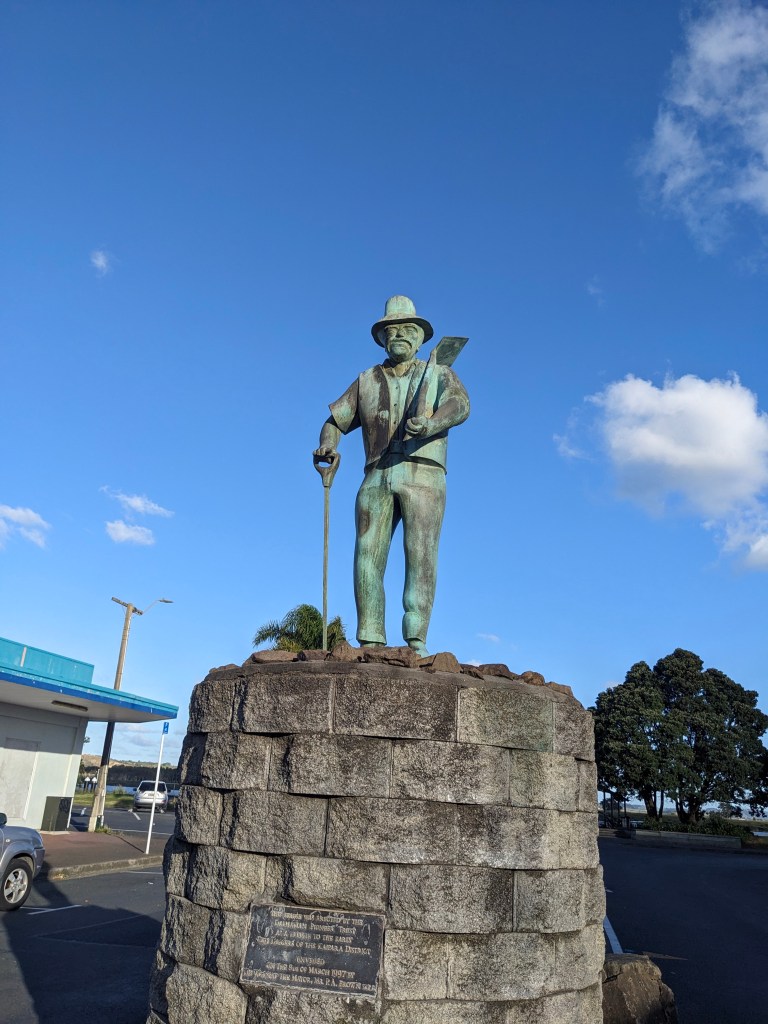
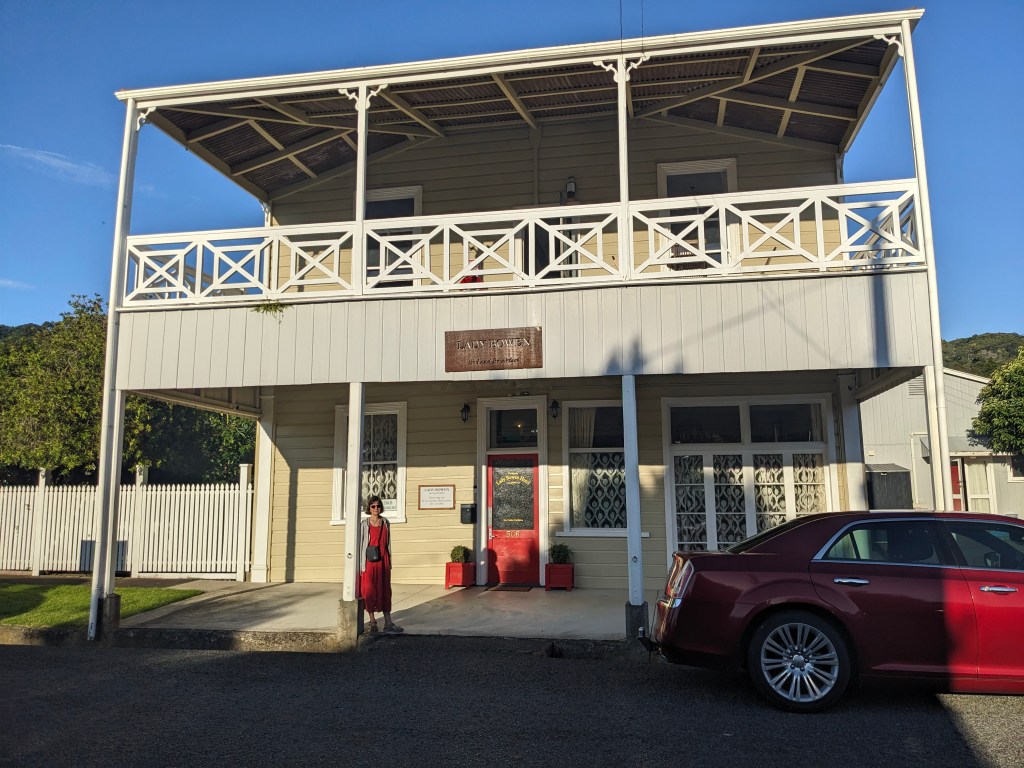
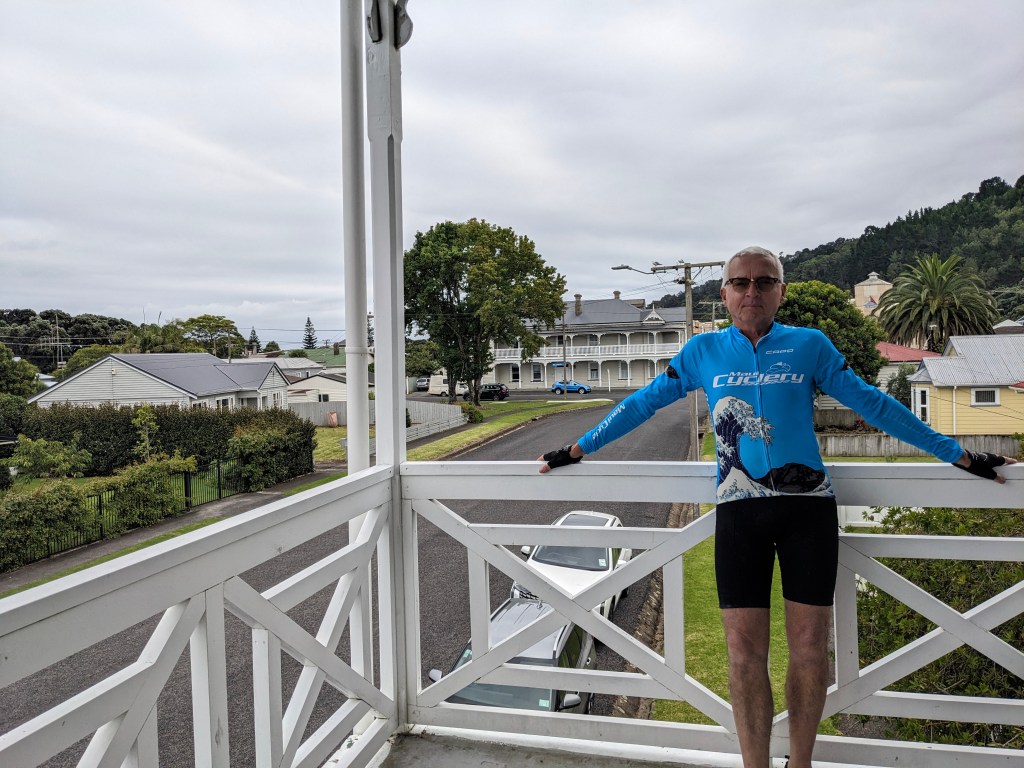
Thames is at the base of the peninsula and is famous for the gold rush which happened here starting in 1867. At this time Thames was booming and bigger than Auckland. There are still many historic hotels and other buildings dating from that time and we are staying in one of them. It is currently a Bed and Breakfast but was once a hotel as well as a brothel and other businesses. Thames is no longer booming but it does attract tourists interested in nature, hiking, fishing, cycling (it’s the start of the Hauraki Rail Trail which we will be riding on) and gold mining history.

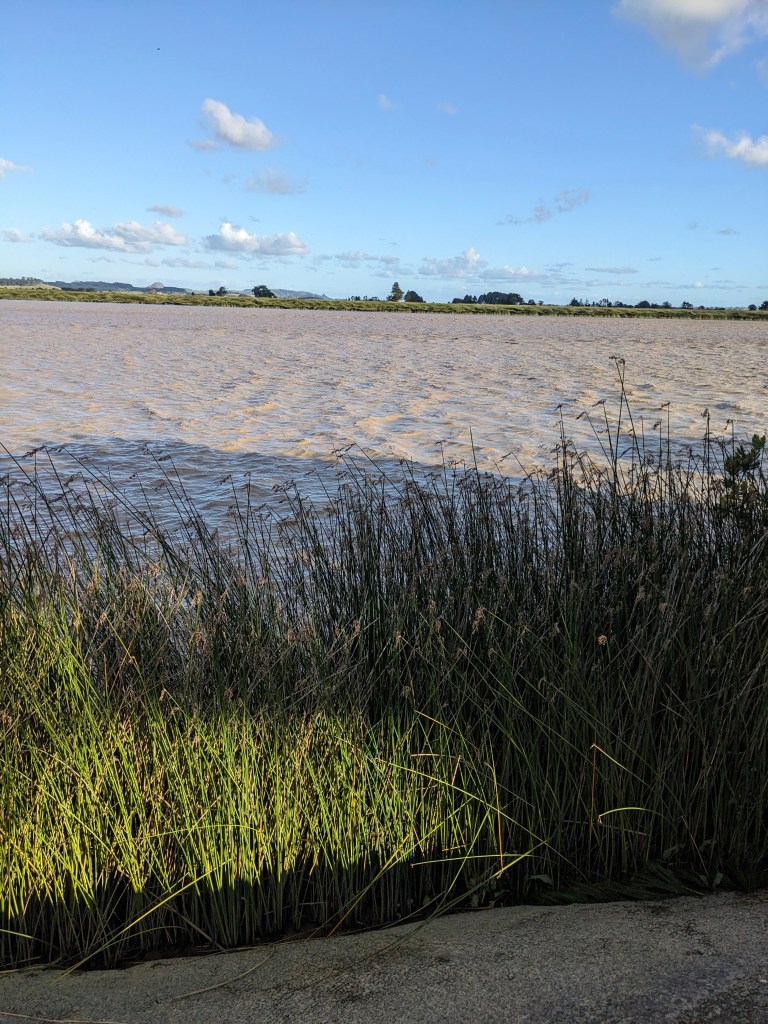
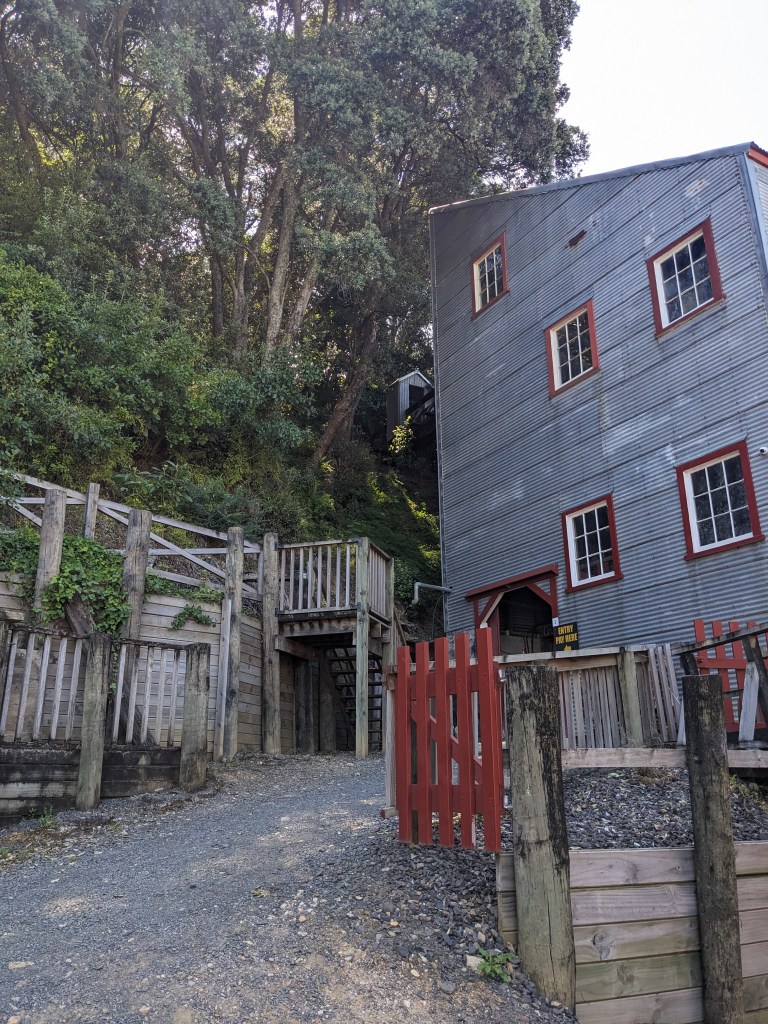
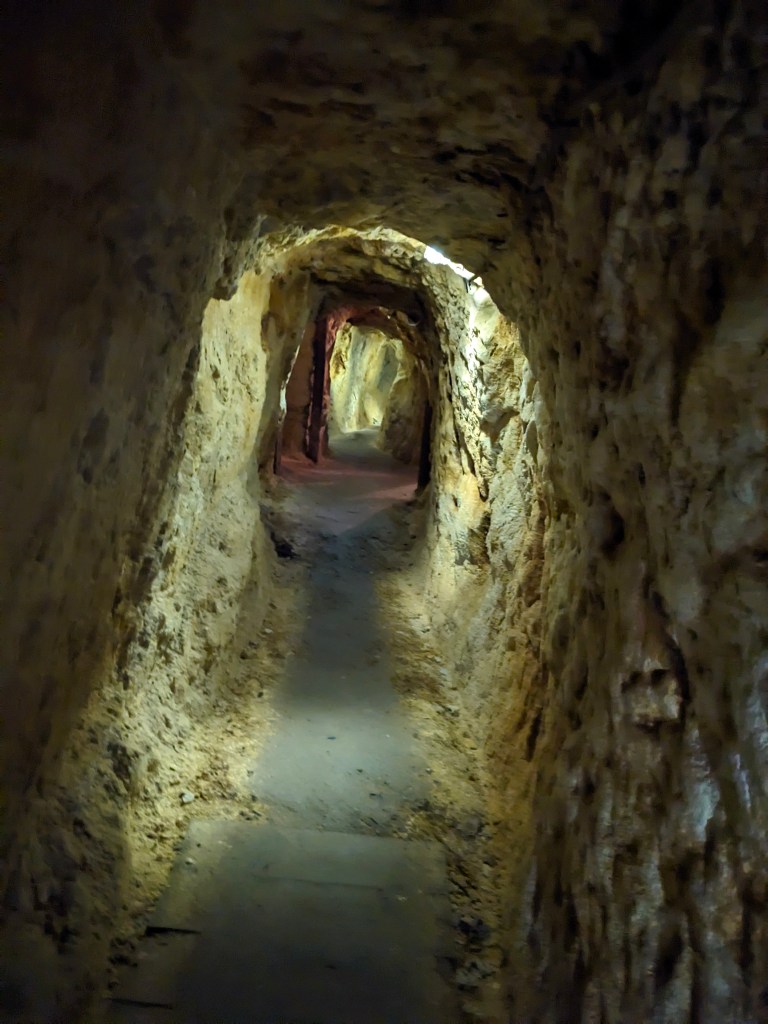
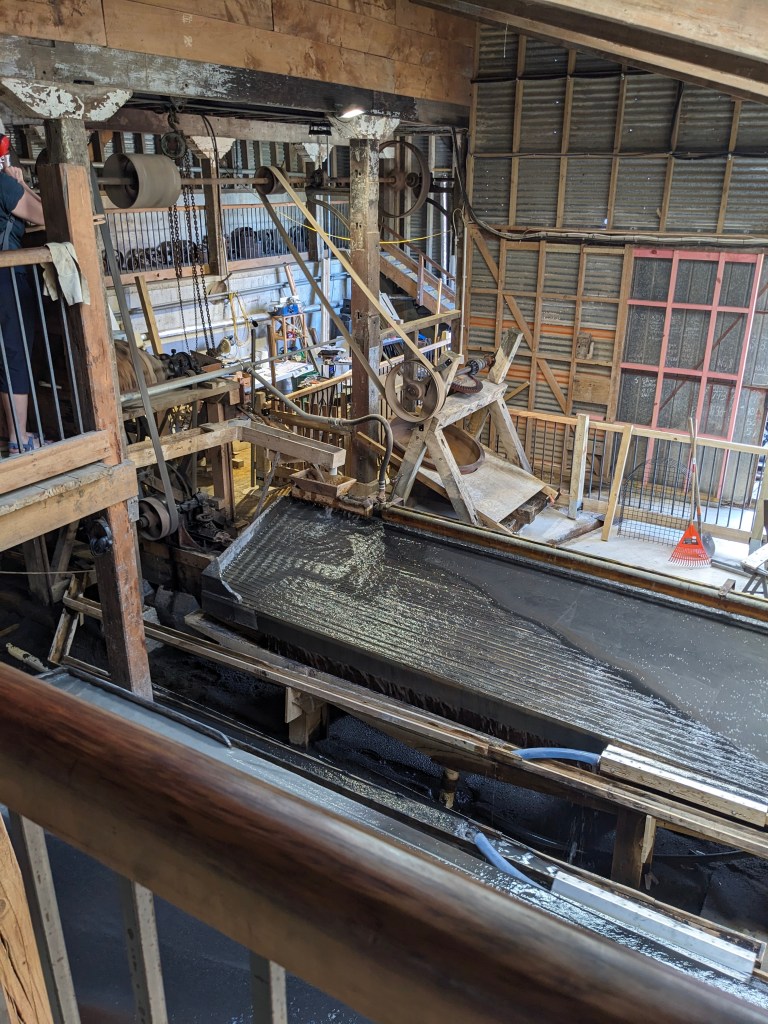
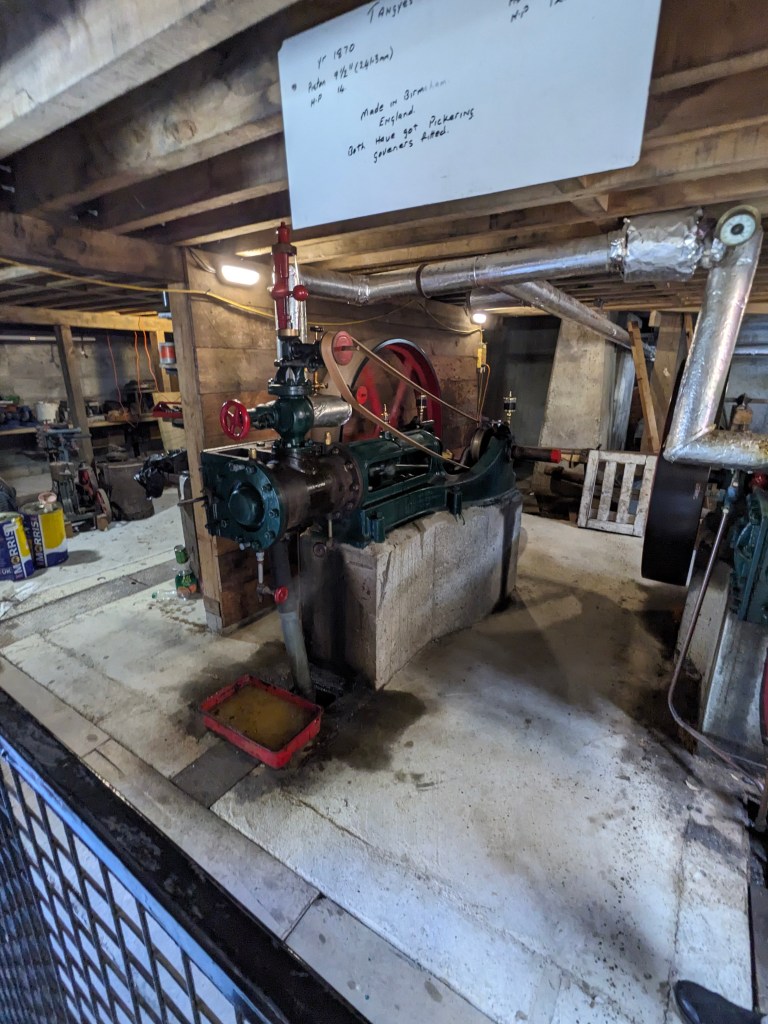
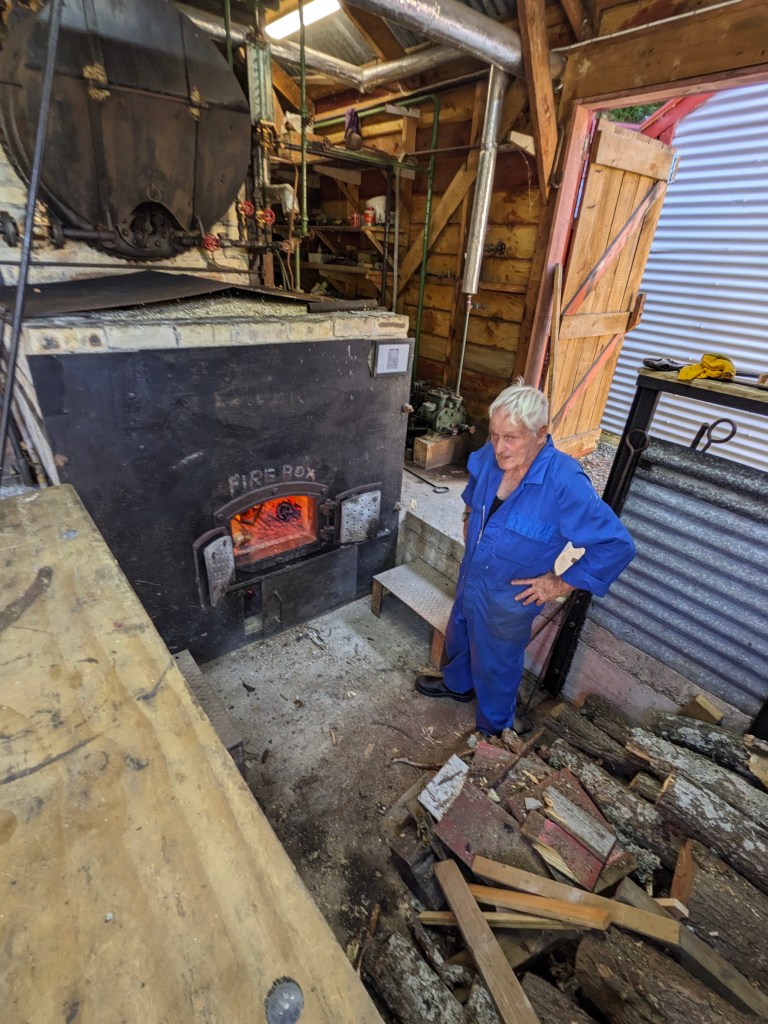
We just had the one day to look around and visited the Gold Mine Experience museum which was an excellent way to learn about the history of the area, see how the gold was mined and go into an old shaft. This was very difficult mining starting with that it was underground, not alluvial, where the gold and silver was embedded in streaks of quartz. It was a complex and toxic process to extract the bullion but the haul was truly massive before it ran out. We also took a walk along the shore which is a tidal flat and home to many sea birds such as herons, cormorants, stilts, ducks, etc which we were able to view from a bird watch ‘hide’. The weather has really turned into a lovely summer which we greatly appreciate.

Cycling in Aoteoroa – New Zealand

13 Jan

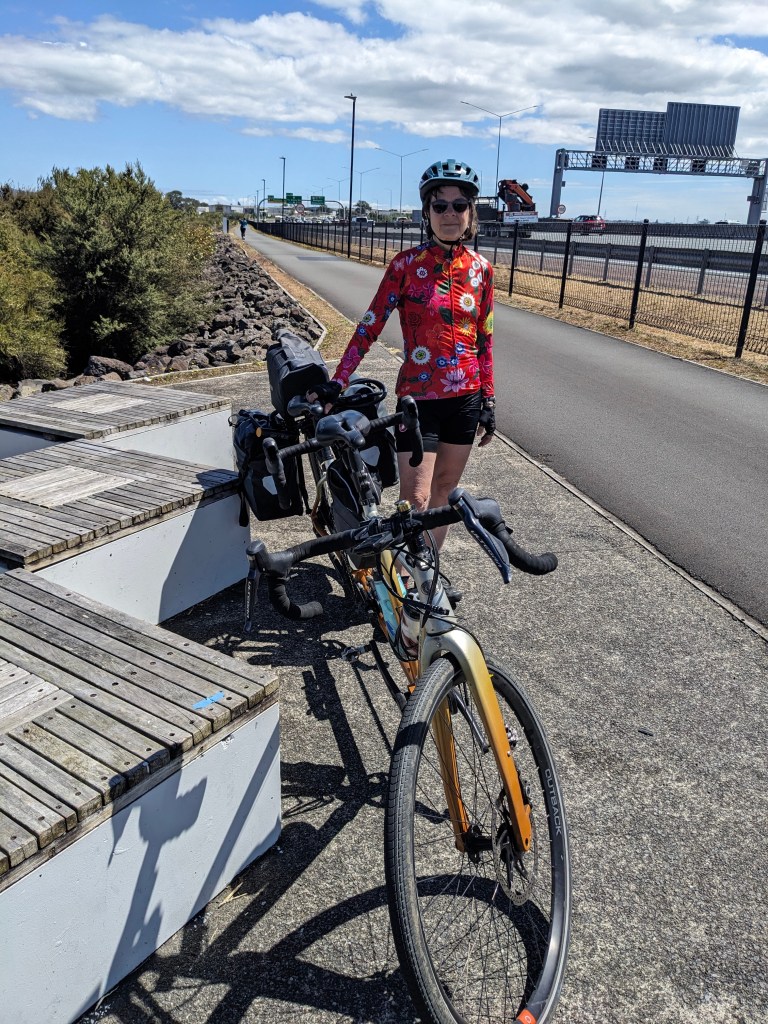
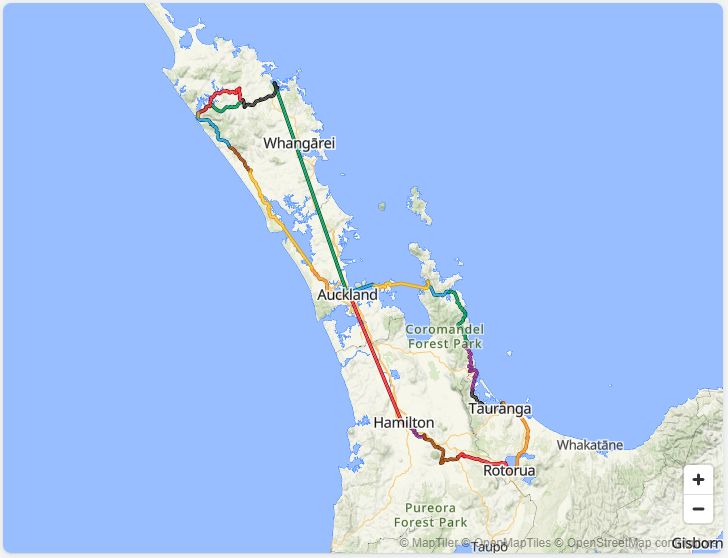
We are leaving the Canadian winter behind for a long awaited trip to the deep South Pacific, a part of the world not seen by Tara, and not by George in 45 years(!). This will be a different adventure from cycling in Europe where bike paths and trails parallel to highways are relatively common. For one, everyone rides and drives on the left side of the road. Two, the cycling infrastructure has not progressed as it has in Europe, probably because the density of people is much less in New Zealand, and Three (?). But from our research, they are busy catching up. We will be staying for 3, 4, and 5 nights in places along the route and taking day trips out and back, rather than 2 or 3 nights most commonly on our previous rides. There are 23 ‘Great Rides’ identified across the country many of which are old rail trails and many others which are gravel pathways. We will be on several of these on our planned route, which you can see above. Also we take several ferries as this is an island nation after all. With our bike we can ride on gravel as well as tarmac (kiwi word) and where we are on smaller roadways (most of the time) there isn’t likely to be much traffic.

New Zealand is bigger than we initially thought, from a ‘cycling the whole thing’ perspective. We will only be on the northern half of the north island, and even then will be using a train, and a bus, and a longish ferry (straight lines on the map) to help cover the territory. We essentially do a loop east and south of Auckland where we begin, and then a north loop up to the Bay of Islands. We are fortunate to have planned in visits with NZ friends and Calgary friends as part of the north loop.

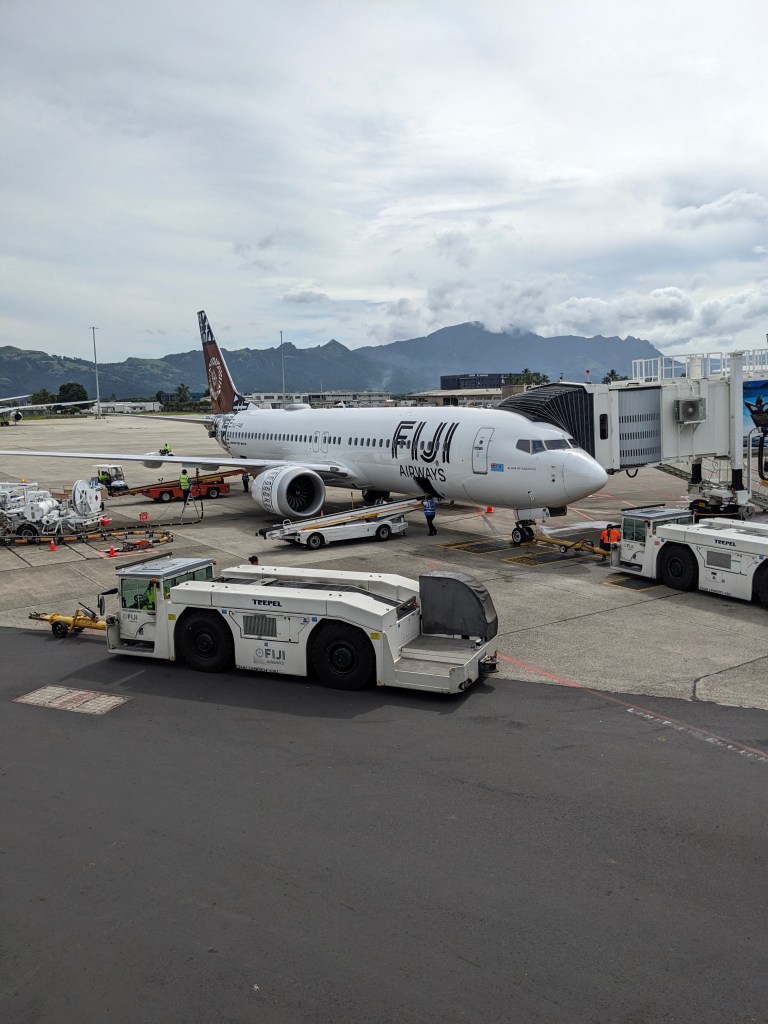
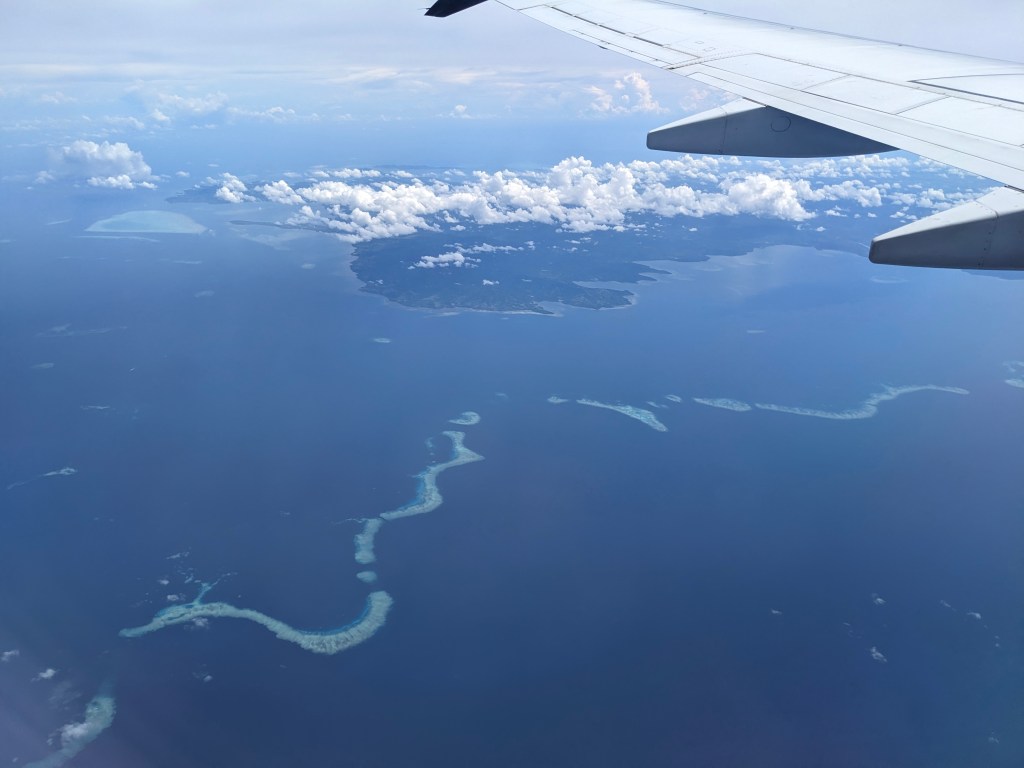
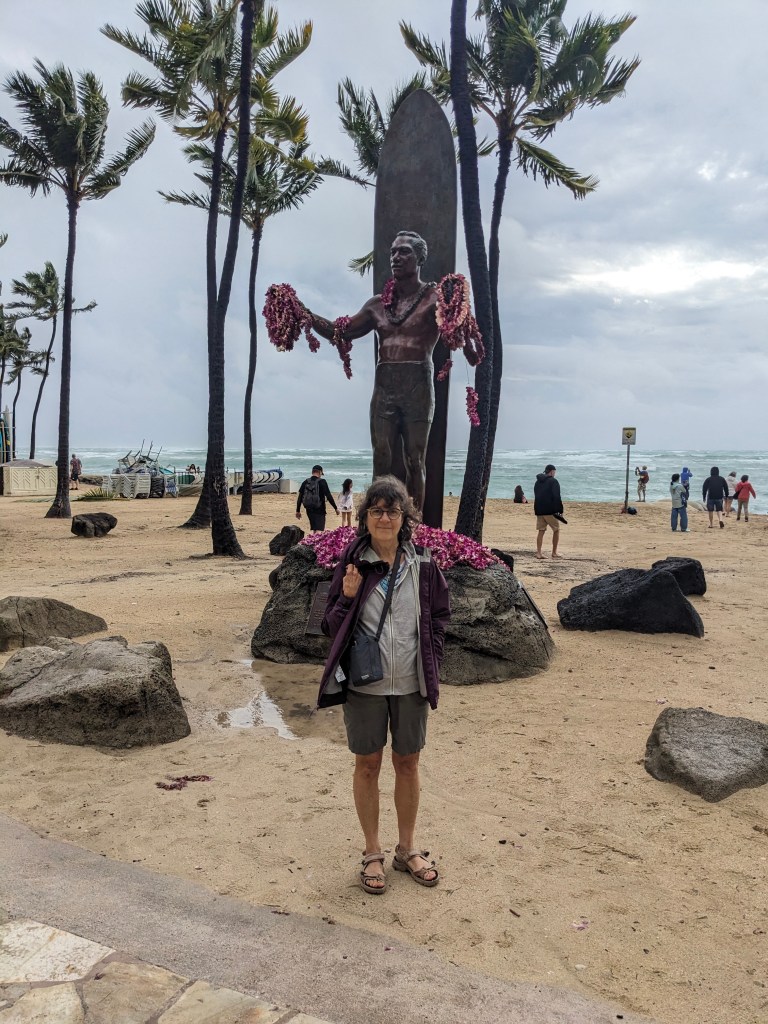
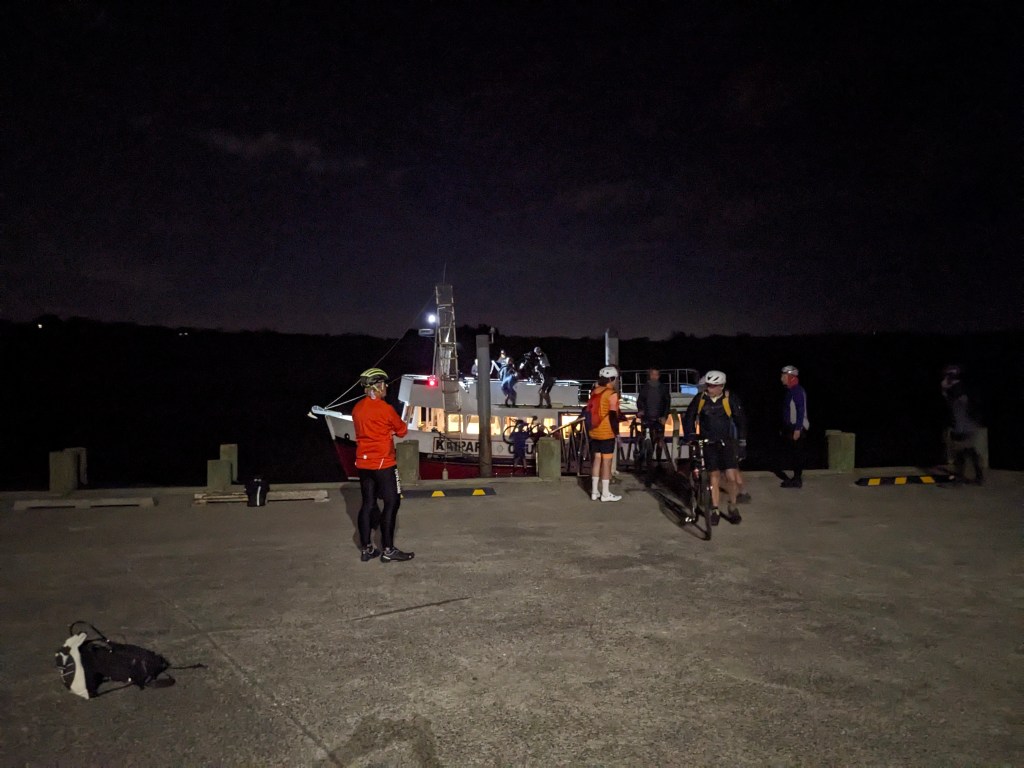
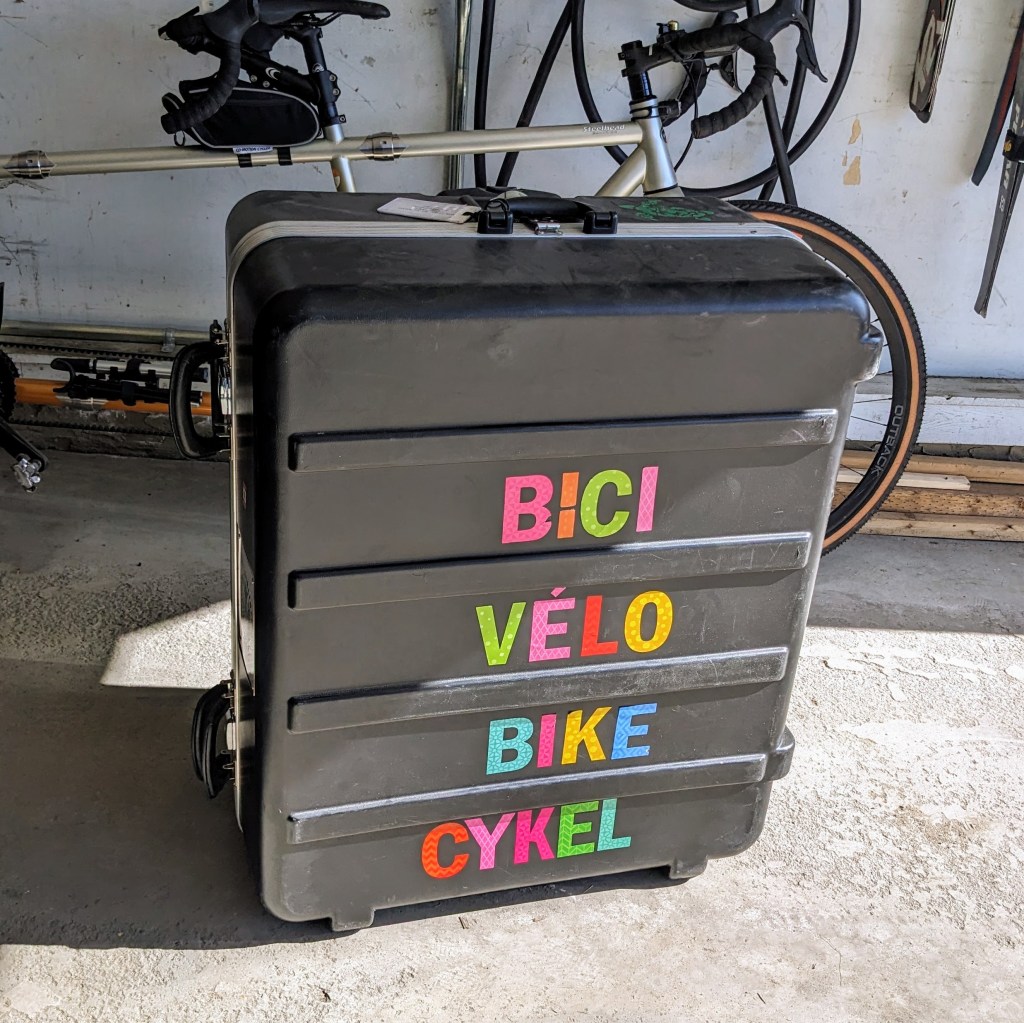
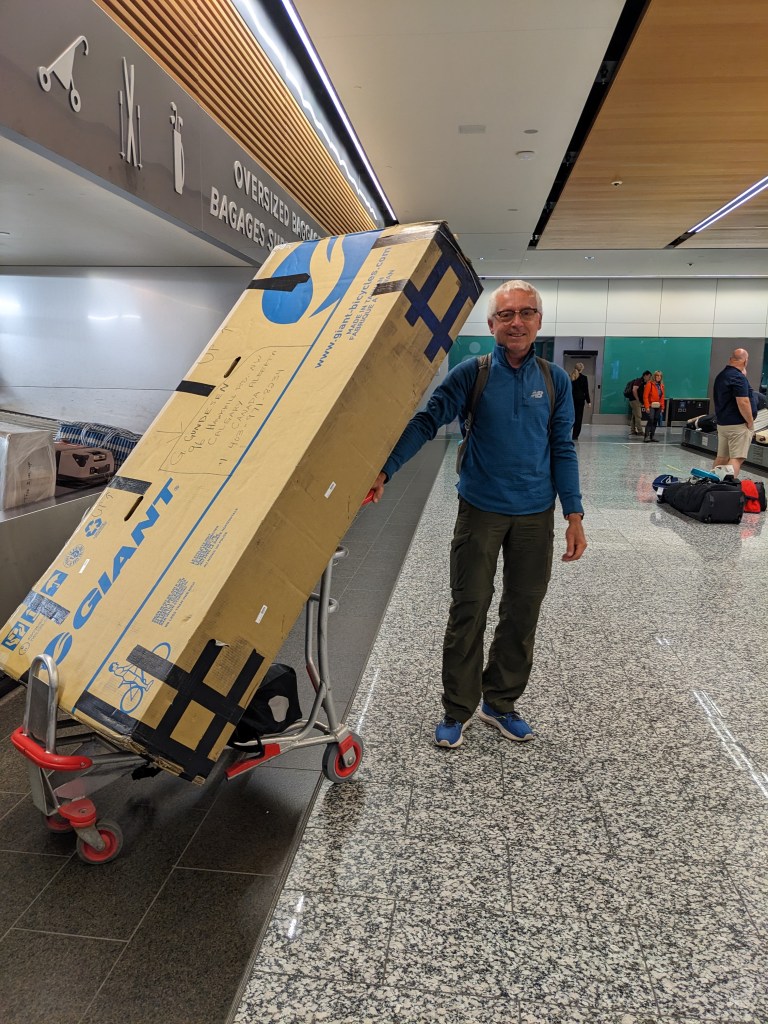
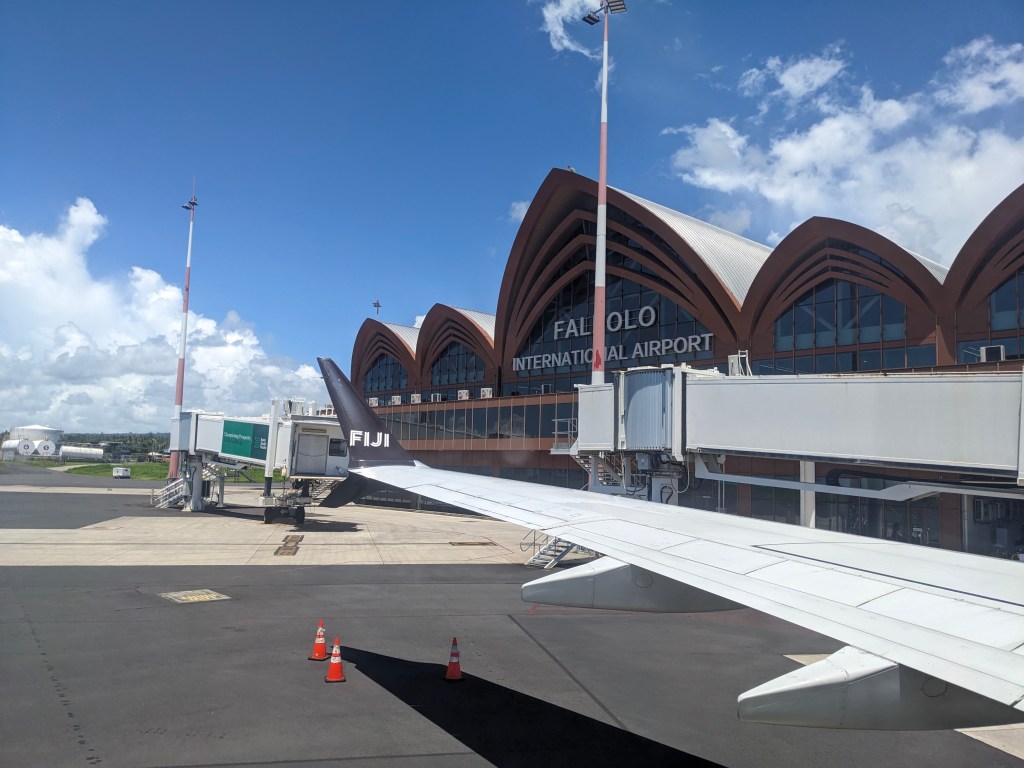
On Saturday the 17th of January we fly to Honolulu direct from Calgary, overnighting only, before flying onward to Auckland over the dateline into Monday. This breaks up what would otherwise be a 14 hour flight, and that’s only from Vancouver. Once we are finished our seven weeks of cycling and return to Auckland, we head to Fiji for a week of rest (phew!) on the way back to Honolulu, and home. We trust that our new bike cases will be waiting for us in Auckland when we get there. Now I have trackers on the bike as well as each piece of luggage so I will be watching… (see the last blog entry and images below)

Return to Mâcon and Lyon

21 Jun

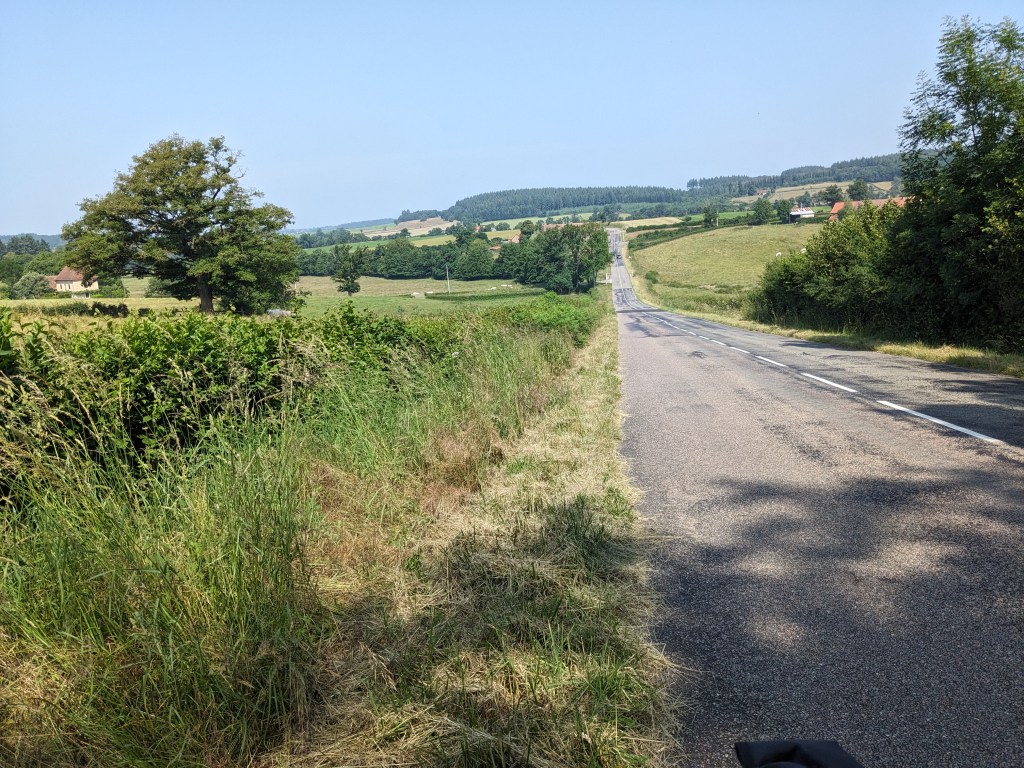
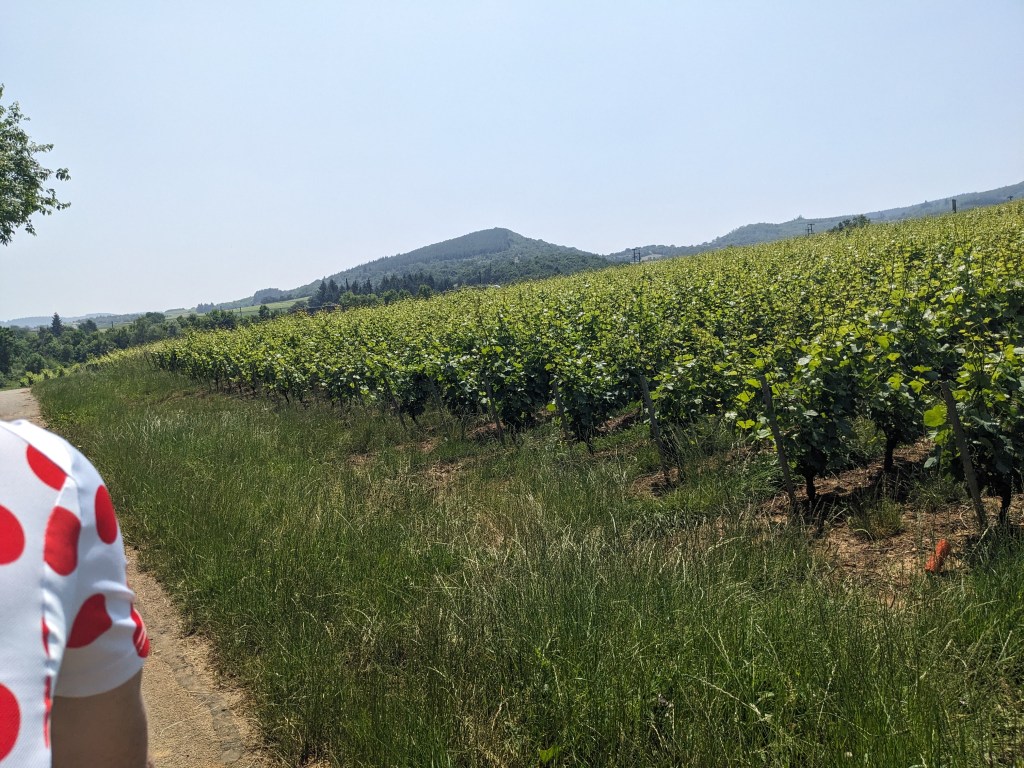
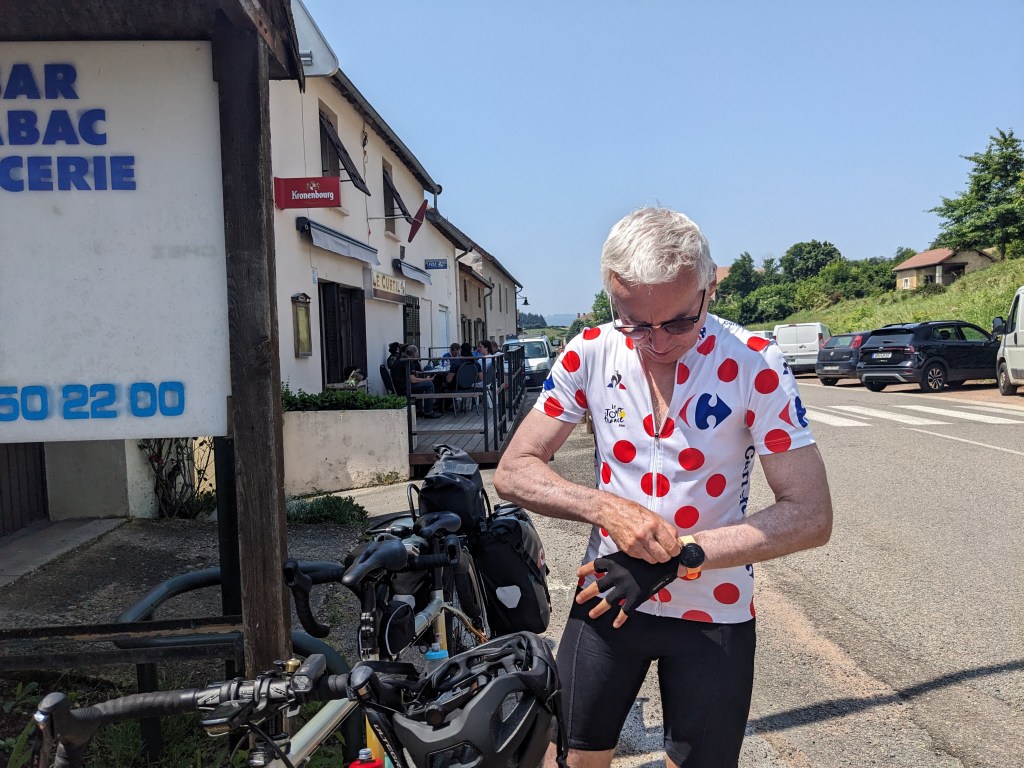
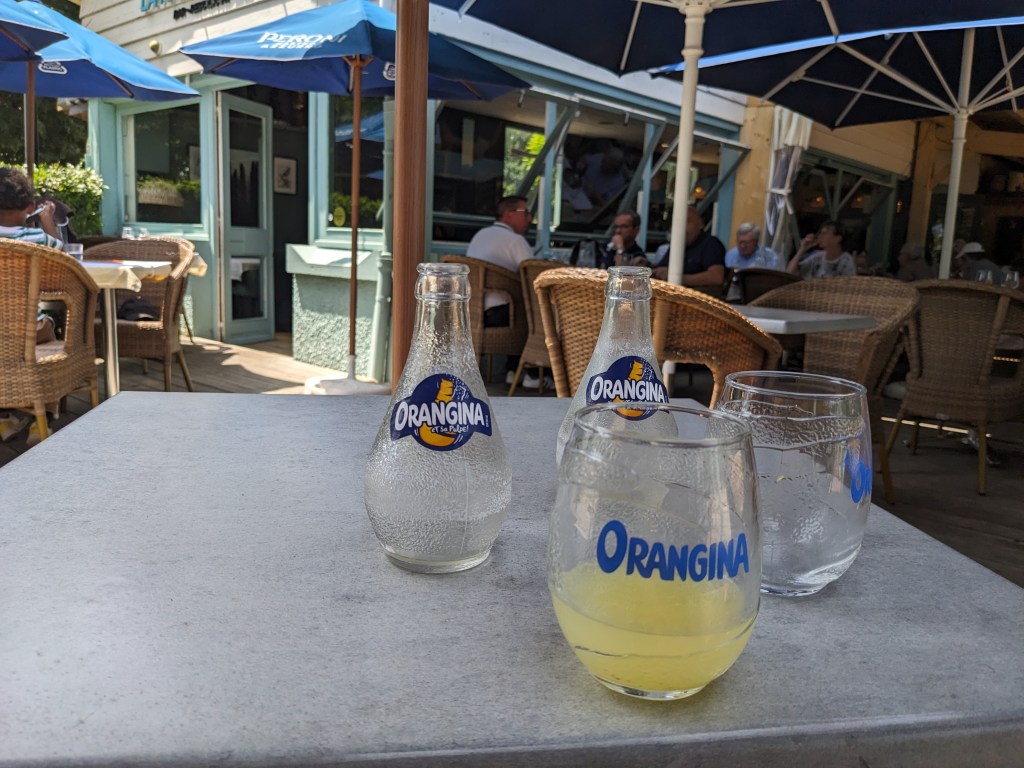
Today we rode from Paray le Monial over to Mâcon, and when I say ‘over’ I mean it because there are nothing but hills between the two. We looked at alternatives but selected one using smaller roads, but not ‘smallest’. It was a lot of climbing anyway and this one was fine with little traffic. The weather has now decided to be hot for our last few days so at the end of it we were well spent. At one point we lucked out and came upon a bar at just the right time as they are not frequent out in the agricultural hinterland. Terrific views were had along the way and also a 1.6km tunnel under a hill (thanks!). We were also happy to be back in the vines as we neared Mâcon. We are staying at the same apartment we were in 3 weeks ago and really liked. Mâcon seems much more alive now as we strolled about in the evening.

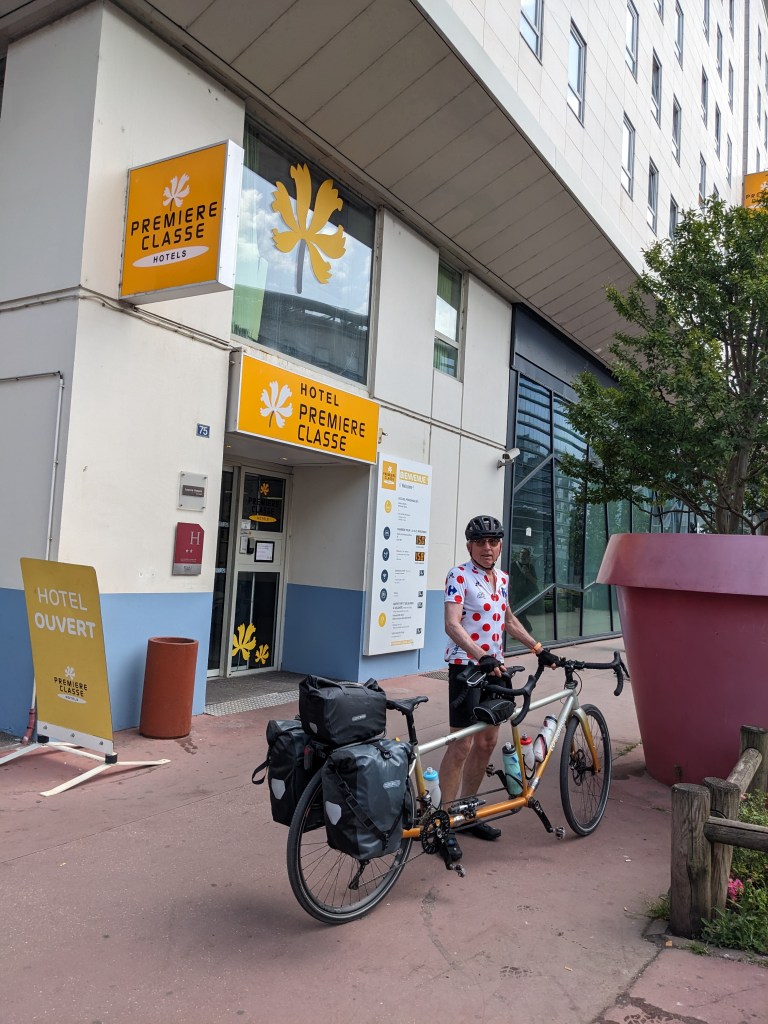
Back to canal riding for our last one but a bit of a problem. Tara has hurt a toe by stubbing it on a corner and it is hurting her. She is okay with cycling but not good for walking as we think it may be broken. It is another hot day for cycling and a long way but flat again. This stretch is probably the best one for beauty as well as services like water , toilets, and cold drinks. It got busy as we got close to Lyon as cities often are, but also we got to ride through another tunnel which dropped the temperature likely by 15 degrees for an excellent break from the 30+.
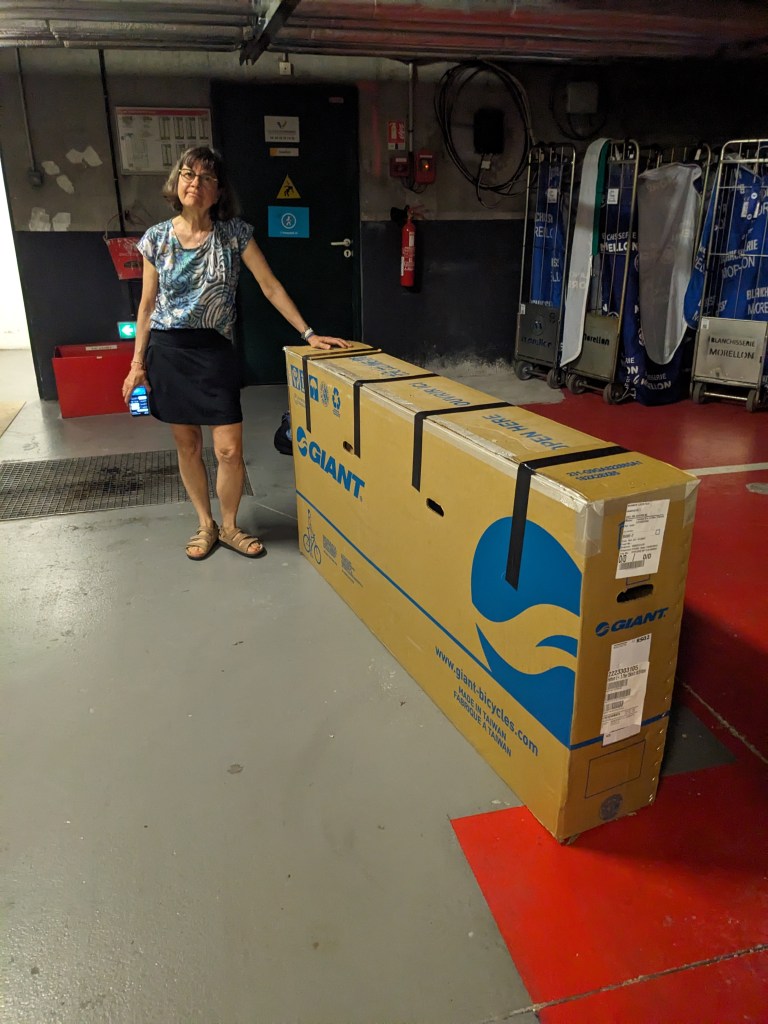
Now we sit waiting for the hotel to find our bike case which has gone astray. *** ten days later *** The hotel LOST OUR BIKE CASE! This was a biblical level disaster for us and we are now home but there was a lot of angst, tears, and total mystification and disbelief along the way. The short story is a) the hotel has taken full responsibility (in writing) and will reimburse us for a new case and expenses, b) the manager found us a bike box just under the maximum size allowed by the airlines, c) we packed the bike in with a lot of padding also hotel supplied, d) we got a huge taxi to get us to the airport, e) we got it on the flight to London ok, f) we had to plead with a bus driver at Heathrow to allow it on his bus to go between terminals, g) we got it on the flight home, h) and finally, our brilliant friend Rob came to pick us up in his van rather than Lyndsay and her smaller Subaru.

Alas, no relaxing and re-visiting Lyon in our final 2 days. C’est la guerre. Au revoir. p.s. Tara’s toe is recovering but carrying rather than rolling bike cases didn’t help.